

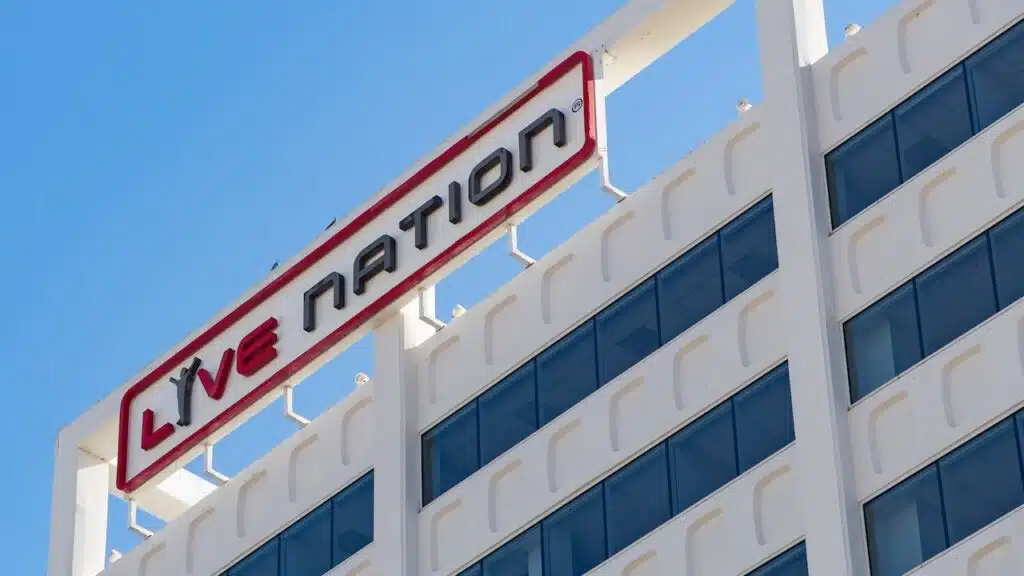
Live Nation antitrust lawsuit overview:
- Who: A group of states and Washington, D.C., brought an antitrust lawsuit against Live Nation Entertainment Inc. and Ticketmaster.
- Why: Plaintiffs claim Live Nation monopolized concert ticketing and forced anticompetitive practices that led to higher ticket prices.
- Where: The case was tried in New York federal court.
A federal jury found that Live Nation and its Ticketmaster subsidiary unlawfully monopolized the concert ticketing market, harming competition and potentially overcharging consumers.
The lawsuit was brought by dozens of states and the District of Columbia, which all jointly alleged Live Nation used its control over multiple parts of the live entertainment industry, including ticketing, promotion and venue operations, to suppress competition.
According to claims made in the lawsuit, Live Nation acquired monopoly power in ticketing services for major concert venues and events and engaged in exclusionary conduct that created anticompetitive effects in the market.
The jury also found that Live Nation unlawfully tied artists’ ability to perform at large amphitheaters to the use of its promotional services, further reinforcing its dominance in the industry.
The lawsuit claims these practices limited competition and led to higher prices for consumers purchasing concert tickets.
Live Nation allegedly tied services, restricted competition in ticketing market
Plaintiffs argued Live Nation leveraged its ownership of Ticketmaster to require venues and artists to use its services, preventing competitors from gaining a foothold in the ticketing market.
The jury found that Live Nation’s conduct violated multiple state antitrust laws and caused harm across 33 states and Washington, D.C. Jurors determined that consumers in certain jurisdictions were overcharged by approximately $1.72 per ticket as a result of the alleged monopolistic practices.
The case seeks remedies that could include structural changes to Live Nation’s business, such as forcing the company to divest Ticketmaster or modify its business practices to restore competition.
A separate agreement with the U.S. Department of Justice requires Live Nation to make changes to its ticketing operations, including offering standalone ticketing technology to competitors and limiting certain long-term exclusive agreements with venues.
The amount of damages and any additional relief will be determined in future proceedings.
Have you ever purchased concert tickets through Ticketmaster? Let us know in the comments.
The states and the District of Columbia are represented by their respective attorneys general and by Jeffrey Kessler, Eva Cole, Johanna Rae Hudgens, Jeanifer Parsigian and Joshua Hafenbrack of Winston & Strawn LLP.
The Live Nation antitrust lawsuit is U.S. v. Live Nation, et al., Case No. 1:24-cv-03973, in the U.S. District Court for the Southern District of New York.
Don’t Miss Out!
Check out our list of Class Action Lawsuits and Class Action Settlements you may qualify to join!
Read About More Class Action Lawsuits & Class Action Settlements:
- CareCloud data breach exposes health records for approximately eight hours
- Pacifica Beauty class action alleges spam emails use false urgency claims
- Capital One customers seek class certification over data disclosure to Meta, Google
- Volkswagen recalls 75K Jetta and Taos vehicles over instrument panel issues













176 thoughts onJury finds Live Nation monopolized concert ticketing, harmed competition
If you don’t go to the box office of the arena or stadium… Which is difficult to do sometimes the tickets are VERY expensive. I pay the high price and then the seats are actually 2/3s cheaper from the box office. Happens to me all the time.
Please include me in this class action.
please add me, this is the only one I use and been using for years
Please add me i have purchased many tickets over many years
purchased many tickets over many years
Please let me know
Add me please
I have bought tickets from Ticketmaster and Live Nation for my husband and myself along with tickets for lots of family members when we go to shows and concerts. Please sign me up for the lawsuit.
Add me please
add me – have been buying tickets for years from them
Add me
I need to join this ! I payed over $500 for 2 tickets and not even good seats!
Please add me they need to pay 💰 I have bought tickets from them.
I’ve bought 3 dozens of tickets through live nation. Please add me they need to pay 💰