

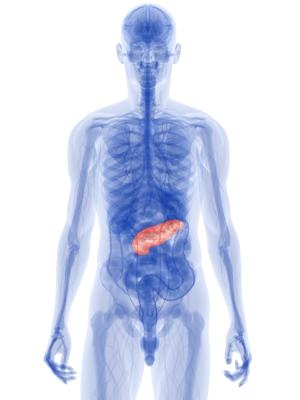
 In light of nearly 300 product liability lawsuits that have been filed by cancer victims who claim their pancreatic cancer and thyroid cancer were caused by the diabetes drugs Byetta, Januvia, Janumet and Victoza, U.S. and European health agencies have been scrambling to find a definitive link between the medications and the alleged health problems.
Despite recent studies suggesting that incretin mimetics increase the risk of pancreatitis and pancreatic cancer, a study published last week by American and European researchers found that there is no established link between the diabetic treatment drugs Byetta, Januvia, Janumet and Victoza and pancreatic cancer. However, both countries agree that while a possible correlation may exist, it simply has yet to be discovered.
Both countries conducted sponsored studies to investigate whether or not these medications actually cause pancreatic cancer in patients. Their assessment indicates that there is no evidence establishing this casual link, despite other recent studies which indicates otherwise.
>>Studies/Lawsuits Say Cancer Link Exists
The study was published in the New England Journal of Medicine on Feb. 27, 2014, authored by researchers and officials from the U.S. Food and Drug Administration (FDA) and the European Medicines Agency (EMA). The report assessed the risk of pancreatitis and pancreatic cancer associated with the class of diabetes drugs known as incretin mimetics.
The assessment found no actual proof of a link between the diabetes medications and pancreatic cancer, which are contradictory to results of other recent studies. Different scientific inquiries have suggested an increased likelihood of pancreatic or thyroid cancer development in conjunction with incretin mimetics. Both the EMA and FDA state that they reviewed the same data from these studies, investigated additional studies, but were still unable to come to the same conclusions.
The agencies state that the data they collected consisted of animal testing, post-marketing studies, pre-marketing clinical trials, and adverse event reports in order to reach their conclusions. However, the EMA and FDA agree that it is possible that a causal link between these cancers and medications may exist, but it has yet to be discovered. Additionally, the agencies pointed out that while the studies suggested the correlation, they presented no proof of a cause-and-effect relationship.
The most recent study regarding incretin mimetics and pancreatic cancer was published in October 2013 by Italian researchers. The researchers reviewed at 1,169 injury reports, and identified at least 90 cases of patients suffering from pancreatitis and elevated pancreatic enzymes. Acute or chronic pancreatitis has been shown to have the potential to develop into pancreatic cancer in some cases.
Due to the fact that these are such popular medications to treat type-2 diabetes, and because type-2 diabetes is such a common condition, researchers agree that this possible link needs to be solidly proven or disproven to put patients’ worries to rest.
Diabetes Drug Cancer Lawsuits Grow
Incretin mimetics are prescribed to patients with type-2 diabetes to help manage their symptoms. Incretin mimetics help the patient’s body regulate insulin, preventing diabetic attacks or the need for additional insulin shots. Unfortunately, the injury reports indicating that these medications cause pancreatic cancer have risen through the years. The manufacturing companies of these medications have been facing product liability lawsuits for failing to mention the risk of pancreatic cancer on their drugs’ labels.
Currently, there are more than 300 Byetta, Januvia, Janumet and Victoza lawsuits filed throughout America in the federal court system. Each of these lawsuits alleges that the plaintiffs were diagnosed with pancreatic cancer after using the diabetes drugs. The lawsuits claim that the defendant companies failed to adequately research the medications or warn about the potential side effects.
These lawsuits have been consolidated into a multidistrict litigation (MDL) movement to prevent duplicate discovery, prevent differing pretrial rulings from different judges and to serve the convenience of the parties, witnesses and the courts. The MDL is centralized under U.S. District Judge Anthony J. Battalglia in the Southern District of California.
The Diabetes Drug Cancer MDL is In re: Incretin-Based Therapies Products Liabilities Litigation, MDL No. 2452, in the U.S. District Court for the Southern District of California.
In general, Januvia pancreatic cancer lawsuits are filed individually by each plaintiff and are not class actions.
Do YOU have a legal claim? Fill out the form on this page now for a free, immediate, and confidential case evaluation. The attorneys who work with Top Class Actions will contact you if you qualify to let you know if an individual lawsuit or class action lawsuit is best for you. Hurry — statutes of limitations may apply.
ATTORNEY ADVERTISING
Top Class Actions is a Proud Member of the American Bar Association
LEGAL INFORMATION IS NOT LEGAL ADVICE
Top Class Actions Legal Statement
©2008 – 2026 Top Class Actions® LLC
Various Trademarks held by their respective owners
This website is not intended for viewing or usage by European Union citizens.
Get Help – It’s Free
Join a Free Januvia, Janumet, Byetta, Victoza Cancer Class Action Lawsuit Investigation
If you or your loved one took Januvia, Victoza, Janumet or Byetta and were diagnosed with pancreatic cancer or thyroid cancer, you have a legal claim. See if you qualify by filling out the short form below.
An attorney will contact you if you qualify to discuss the details of your potential case at no charge to you.
Oops! We could not locate your form.












I would like to know if any one can help me with the Phen- Phen Lawsuit. I filed a claim in 2000 was told I qualified then I was ask to retest and denied. The last year (2012) that I could submit a claim a I did not know I had heart (valve) damage. My valves were damaged so bad they could not be repaired. I had a defibrillator implanted in March 2013.