ATTORNEY ADVERTISING
Scott D. Owens, P.A.
Scott D. Owens, Esq.
Hollywood, Florida
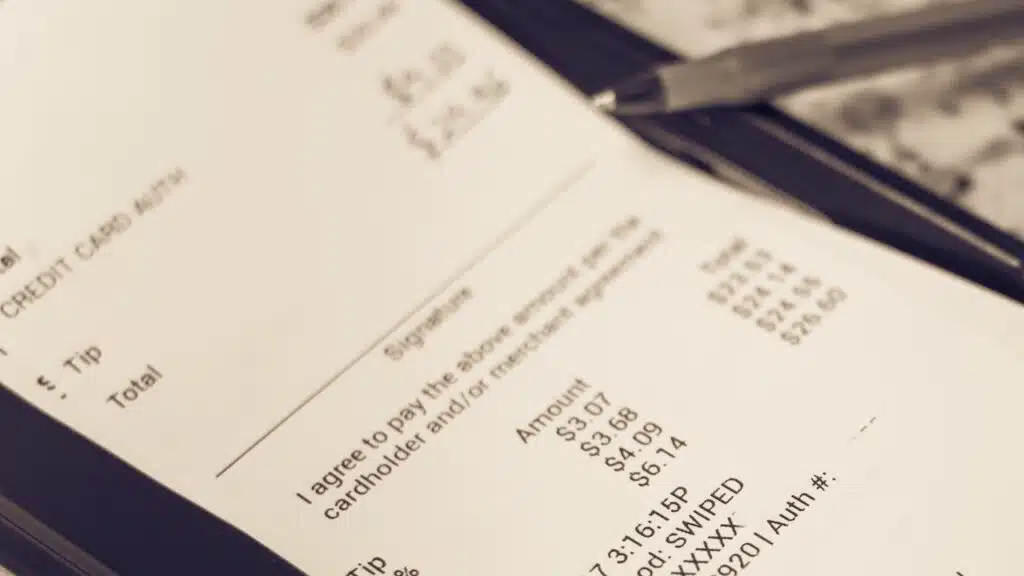
Do you save your paper credit, debit or EBT card receipts? You may be sitting on a FACTA violation and may be entitled to up to $1,000 if your printed receipt had too much of your personal information.
If you have a paper receipt printed at the time of sale that shows more than the last five digits of your credit, debit or EBT card number or includes any portion of the expiration date, you may qualify to take legal action and seek compensation through a FACTA lawsuit.
What to know about the FACTA class action lawsuit
- Core Issue: Businesses may have violated the Fair and Accurate Credit Transactions Act (FACTA) by printing excessive payment card information on paper receipts.
- Who it Affects: Consumers who received printed receipts showing more than the last five digits of a card number or any portion of an expiration date.
- Harm/Impact: This type of data privacy violation exposes card data in ways that may increase identity theft risk.
- Legal Status: Attorneys are reviewing potential claims involving receipt privacy violations and gathering information from consumers who may have qualifying receipts.
- Take Action: Complete the form on this page to see if your paper receipt may qualify for a FACTA lawsuit. You may submit the form without uploading your receipt; however, submissions that include a copy or photo of the receipt will receive priority during the review process.
Many shoppers may already have qualifying receipts saved in apps like Fetch, Ibotta, Receipt Hog or ReceiptPal. If you use these apps or have saved paper receipts, take a moment to review these. You may already have documentation that helps support your claim.
What is a FACTA lawsuit?
The Fair and Accurate Credit Transactions Act (FACTA) is a federal law that helps protect consumer data privacy by limiting the payment card information that businesses can print on receipts.
When a business prints more card information than FACTA allows, consumers may pursue compensation through a FACTA lawsuit. These cases generally allege that:
- A printed receipt showed more than the last five digits of a customer’s credit, debit or EBT card number
- A printed receipt displayed all or part of a card’s expiration date
- The business failed to comply with FACTA’s receipt truncation requirements
- These violations may have exposed consumers to an elevated risk of identity theft and card fraud
Consumers have recovered millions of dollars through FACTA class action settlements involving this type of receipt privacy violations.
Who qualifies for a FACTA lawsuit?
You may qualify for the FACTA lawsuit if you are the cardholder (rather than an authorized user), received a paper receipt printed at the point of sale and the receipt:
- Shows more than the last five digits of your credit, debit or EBT card number or
- Includes any part of the card’s expiration date
The following generally do not qualify:
- Receipts sent by email, text message or mail
- Online order confirmations or account statements
You do not need to provide a copy of your receipt for your submission to be considered. However, submissions that include a copy or photo of the receipt will receive priority during the review process.
Time limits may apply. Do not wait to check whether you may qualify.
Legally reviewed by: Scott D. Owens
Attorney, Scott D. Owens, PA
The law firm responsible for the content of this page is: Scott D. Owens, PA; Hollywood, Florida; 954-589-0588; scottdowens.com.
Case updates
Legal status as of June 2026
- Attorneys are currently reviewing potential claims involving FACTA violations and printed receipt privacy issues.
This page was last reviewed and updated in June 2026 to reflect the latest case developments.
What is FACTA?
The Fair and Accurate Credit Transactions Act (FACTA) is a federal law that was passed in 2003 to help prevent identity theft and protect consumer data privacy. FACTA requires businesses to “truncate” card information on printed receipts by masking card numbers and omitting expiration dates entirely.
What does a FACTA-compliant receipt look like?
A FACTA-compliant debit, credit or EBT card receipt should only display the last five digits of the card number and no expiration date. For example:
ACCT: **** **** ***0 1234
EXP: ****
If your paper receipt shows more than the last five digits of your card number or includes any part of the expiration date, it may constitute a FACTA violation.
Examples of FACTAViolations
Improper card number truncation:
- 1111 22** **** 4444
- 1111 **** **** 4444
- **** **** ** 444444
The most common violation shows the first 6 and last 4 digits of the card number, leaving more than half of the full card number showing!
Even if vendors print less than five digits of a card number, they may be in violation of FACTA if these digits are not the last digits of a card.
[H3] Improper expiration date displayed:
- EXP: 03/17
- EXP: 03/2017
- EXP: 032017
- EXP: 0317
- Expires: 0317
- Exp Date: 03/17
- Exp Date: 03/31/17
- EXPIRY: 03/17
- 03/17
- 0317
- Date 03/**
- **/17
- 2017/03
Even partial dates can constitute a FACTA violation.
What happens if I have receipts showing FACTA violations?
If your paper debit, credit or EBT card receipt fails to follow FACTA guidelines:
- You may be eligible to receive $100 to $1,000 per violation
- Lead plaintiffs in class actions may receive incentive awards up to $20,000
Consumers who serve as lead plaintiffs in successful FACTA lawsuits may receive additional incentive awards. Some have obtained up to $20,000 in these cases. Incentive awards are discretionary and determined by the court based on factors including the class representatives’ specific services to the class, any potential risks they incurred and the amount of the incentive award in comparison to the overall recovery.
If you have printed receipts that fail to properly hide information, you may qualify to participate in this FACTA lawsuit investigation.
About the attorney: Scott D. Owens
Scott D. Owens and his team have a proven track record of professionalism, experience and commitment to protecting consumers from data privacy and credit card privacy violations. Mr. Owens has led some of the largest FACTA lawsuit settlements to date, helping consumers hold businesses accountable for FACTA violations involving improperly printed receipts:
- $30.9 million – Subway
- $24.25 million – Ikea
- $20 million – Safeway gas station
- $11 million – LabCorp
- $7.5 million – Spirit Airlines
- $6.3 million – Godiva Chocolatier
- $4.75 million – Cheesecake Factory
- $2.5 million – Jimmy Choo
- $1.2 million – Microsoft
Fill out the form on this page to see if you qualify for a free case evaluation.
After you fill out the form, an attorney(s) or their agent(s) may contact you to discuss your legal rights.
ATTORNEY ADVERTISING
The choice of a lawyer is an important decision and should not be based solely on advertisements.
PAID ATTORNEY ADVERTISEMENT: THIS WEB PAGE IS AN ADVERTISEMENT AND THE PARTICIPATING ATTORNEY(S) ARE INCLUDED BECAUSE THEY PAY AN ADVERTISING FEE. Top Class Actions is not a law firm, lawyer referral service, or prepaid legal services plan. We do not endorse or recommend any third-party claims processing company, lawyer, or law firm who participates in the network. We do not make any representation, and have not made any judgment, as to the qualifications, expertise, or credentials of any participating lawyer or processing group. No representation is made that the quality of the legal services or claims processing to be performed is greater than the quality of legal services or claims processing performed by other lawyers or claims processing group. The information contained herein is not legal advice. Any information you submit to Top Class Actions does not create an attorney-client relationship and may not be protected by attorney-client privilege because Top Class Actions is not a law firm. Instead, your information will be forwarded to an attorney(s) or their agent(s) or a claims processing firm for the purpose of a confidential review and potential representation if you qualify. You will only be contacted by an attorney(s) or their agent(s) in response to your inquiry if your initial information appears to qualify you for representation. If you are not contacted by an attorney(s) or their agent(s) within one week, you should consult another firm since all legal claims are subject to filing deadlines. All photos on this website are stock art and do not depict clients.