

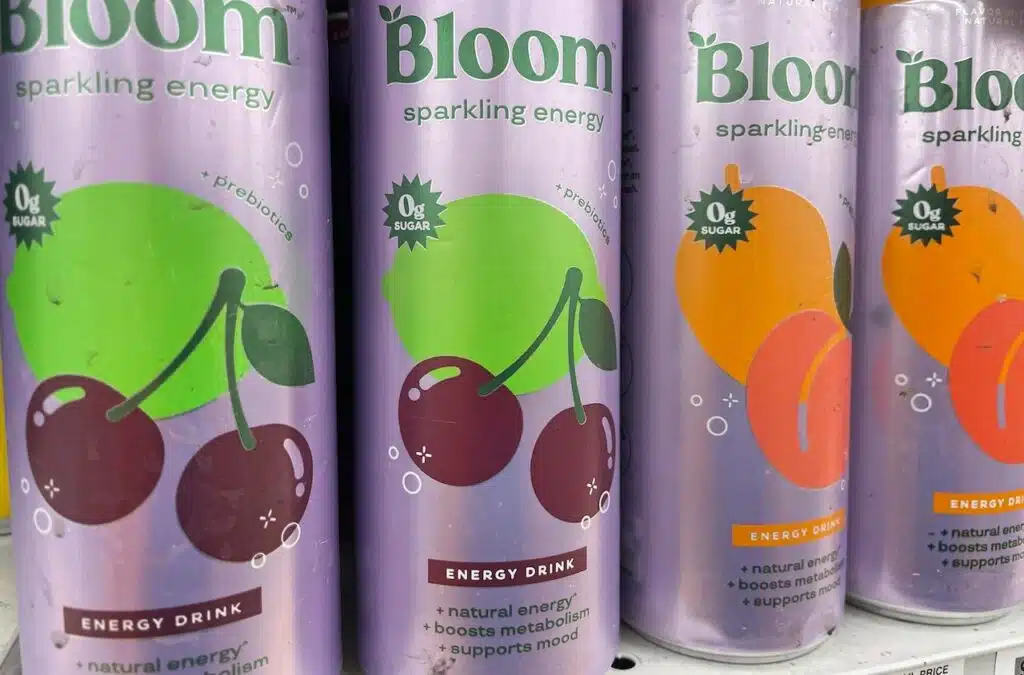
Bloom class action lawsuit overview:
- Who: Plaintiff Bianca Marinelli filed a class action lawsuit against Bloom Nu LLC.
- Why: Marinelli claims Bloom Nu falsely advertised its sparkling energy drinks as containing “no artificial colors, flavors, or aspartame.”
- Where: The class action lawsuit was filed in New York federal court.
A new class action lawsuit accuses Bloom Nu of falsely advertising its sparkling energy drinks as containing “no artificial colors, flavors or aspartame” when they actually contain citric acid, a known artificial ingredient.
Plaintiff Bianca Marinelli says in her class action lawsuit that Bloom sparkling energy drinks are marketed to appeal to health-conscious consumers who want to avoid artificial flavors.
“[Bloom’s] ‘no artificial colors, flavors or aspartame’ representations are featured on the products’ labeling in order to induce health-conscious consumers to purchase drinks that are free from artificial flavors,” the Bloom class action lawsuit argues.
The complaint goes on to allege that Bloom markets its products in a systematically misleading manner by misrepresenting that the products do not contain artificial flavors.
Marinelli’s class action lawsuit asserts claims for violations of New York General Business Law, breach of express warranty and unjust enrichment. She seeks to represent a class of consumers who purchased Bloom sparkling energy drinks within the applicable statute of limitations period.
Class action: Citric acid not natural and may be harmful
According to the Bloom class action lawsuit, citric acid is a common artificial flavor used in food and drink products. Marinelli says that while citric acid can occur naturally in citrus fruits, the citric acid used in Bloom Nu’s sparkling energy drinks is commercially manufactured through a process involving black mold and chemical solvents.
The U.S. Department of Agriculture has reportedly found that it is not commercially feasible to use natural citric acid extracted from fruits, Marinelli says. She argues the U.S. Food and Drug Administration has determined that manufactured citric acid is not natural, but is artificial.
The Bloom class action lawsuit points to a study published in Toxicology Reports Journal that found that manufactured citric acid may trigger inflammatory reactions and allergic responses in some people due to potential impurities from the manufacturing process.
Marinelli claims Bloom Nu’s allegedly deceptive marketing practices have caused consumers to pay a premium for the sparkling energy drinks based on the belief they are free from artificial flavors.
She is seeking compensatory and statutory damages, restitution and an order enjoining Bloom Nu from continuing to market its sparkling energy drinks as free from artificial flavors.
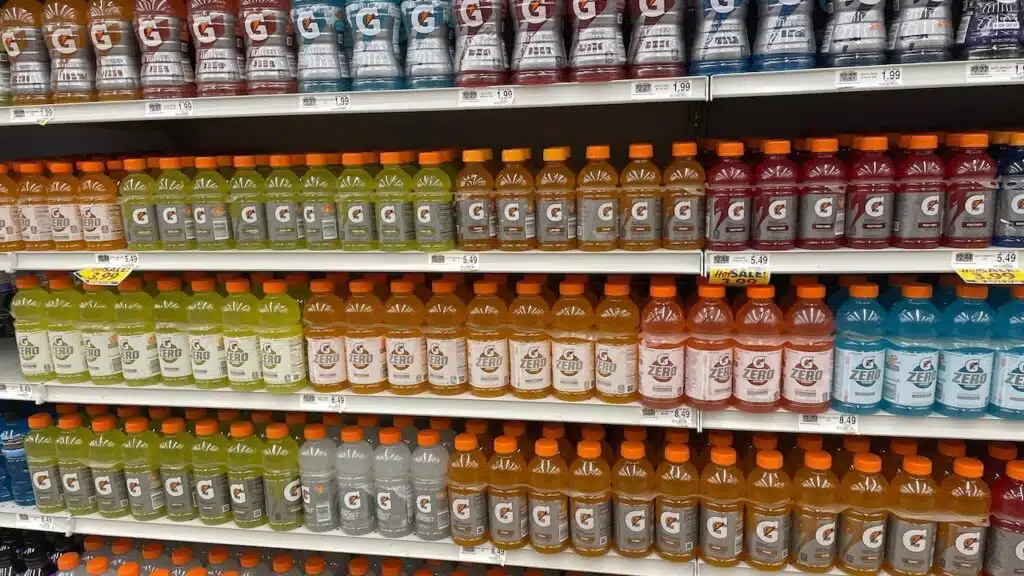
The popular Gatorade sports drink is also facing a class action lawsuit over similar citric acid claims and that it falsely advertises the drink can hydrate better than water.
Have you ever purchased a Bloom sparkling energy drink? Join the discussion in the comments.
The plaintiff is represented by Julian C. Diamond of Bursor & Fisher P.A.
The Bloom class action lawsuit is Marinelli v. Bloom Nu LLC, Case No. 1:26-cv-2689, in the U.S. District Court for the Eastern District of New York.

@topclassactions JUST IN: Bloom Nutrition faces a class action over claims its sparkling energy drinks are misleadingly marketed as having “no artificial flavors.” Do you drink Bloom? Comment “YES” to learn more. #BloomEnergy #ConsumerAlert #ClassAction
♬ original sound – Top Class Actions – Top Class Actions
Don’t Miss Out!
Check out our list of Class Action Lawsuits and Class Action Settlements you may qualify to join!
Read About More Class Action Lawsuits & Class Action Settlements:
- Publix frozen berries recall expands over E. coli outbreak linked to 12 illnesses
- Madewell hit with class action over alleged fake sales, inflated reference prices
- Goodyear, Pizza Hut, 7-Eleven, Campbell’s face wage and hour lawsuits
- Apple class action claims iCloud Private Relay exposes users’ IP addresses




242 thoughts onClass action claims Bloom sparkling energy drinks contain artificial flavor
Sept 28 2026 1:56 p.m.
Please add me.
Add me
Please add me.
Add me please
Add me please!!
Add me please!!
Add me please!!