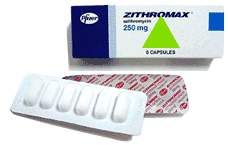
 Zithromax (azithromycin) is one of the most popular medications in the United States. However, it has been discovered to have a number of severe side effects over the years, including claims of Zithromax SJS, resulting in Pfizer Inc. being subjected to public scrutiny.
Among these severe side effects is the risk of Zithromax Stevens Johnson Syndrome (SJS), a rare and extreme skin condition a patient suffers after reacting adversely to a medication. This skin condition is famously characterized by the red or purple skin lesions that appear all over the patient’s body, which can consume up to 30 percent of skin surface area. If the SJS rashes and lesions spread to over 30 percent of a patient’s body, then it is re-diagnosed as Toxic Epidermal Necrolysis (or TEN), a more severe form of this allergic skin reaction.
Along with severe skin lesions, these marks actually causes the skin to detach from the patient, allowing for the possibility of infection and other extreme Zithromax SJS side effects. If not treated in time, this condition can be fatal but often leaves behind permanent skin damage, vision damage, trauma, and fear of recurrence. Oftentimes, patients have to be treated in the burn units of hospitals, as skin grafts are often required to replenish lost skin.
Doctors warn patients that an SJS condition will start with flu-like symptoms, and will occur within the first two to eight weeks of starting the medication. SJS is more likely to occur if the patient is taking more than one medication, has a history of medication allergies, or has a family history of developing Stevens Johnson Syndrome. Luckily, this is an extremely rare reaction, with only 300 cases diagnosed per year in the United States. However, SJS (especially Zithromax SJS) often causes physicians to misdiagnose the condition when the patient first reports it.
Overview of Zithromax Stevens Johnson Syndrome Association
Despite the amount of this condition receives when its reported, there is very little understood about Stevens Johnson Syndrome or why it only occurs in specific patients. There is also a question of why only certain medications induce this reaction, or if all medications have the potential to do so, and if only certain patients are at risk of developing the reaction. According to SJS studies and injury reports, SJS typically occurs from anticonvulsant and antibiotic medications like Zithromax, and tends to occur in adults more often than children.
Even though SJS and TEN are rare conditions, SJS still occurs and Zithromax has been one of the medications that has been associated with Stevens Johnson Syndrome. However, Pfizer does not include the risk of SJS on Zithromax’s warning label. Many pharmaceutical companies often do not include SJS on their drugs’ medication labels because it is such a rare event and has not been conclusively proven. Additionally, many pharmaceutical companies fear that by placing such severe side effects on the warning labels they will decrease their drugs’ popularity and market value.
Many consumers accuse Pfizer of doing this for Zithromax, as it is one of their most popular medications. Even with the allegations of Zithromax SJS, the Pfizer antibiotic still remains commonly prescribed by physicians, because it requires a short prescription period and is extremely fast-acting. Parents and younger patients often opt for Zithromax because of this characteristic, which has led to the drug becoming over-prescribed, in the opinion of many physicians. This over-prescriptions may have also led to the growing number of accounts of Zithromax SJS.
Pfizer is currently facing Zithromax product liability lawsuits, alleging claims of severe Zithromax side effects. Along with Stevens Johnson Syndrome side effects, patients reported suffering liver toxicity and cardiac complications after taking Zithromax. Patients who are alleging Stevens Johnson Syndrome claim that Pfizer failed to protect them against their drug’s side effects and are seeking compensation for any physical and emotional damages.
Do YOU have a legal claim? Fill out the form on this page now for a free, immediate, and confidential case evaluation. The Zithromax attorneys who work with Top Class Actions will contact you if you qualify to let you know if an individual lawsuit or Zithromax class action lawsuit is best for you. [In general, Zithromax lawsuits are filed individually by each plaintiff and are not class actions.] Hurry — statutes of limitations may apply.
Get Help – It’s Free
Join a Free Zithromax Class Action Lawsuit Investigation
If you or a loved one had a heart attack, liver failure, Stevens Johnson Syndrome or Toxic Epidermal Necrolysis after taking Zithromax, Z-Pak, Zmax or azithromycin, you may have a legal claim. See if you qualify by filling out the short form below.
A Zithromax attorney will contact you if you qualify to discuss the details of your potential case at no charge to you.
Oops! We could not locate your form.
ATTORNEY ADVERTISING
Top Class Actions is a Proud Member of the American Bar Association
LEGAL INFORMATION IS NOT LEGAL ADVICE
Top Class Actions Legal Statement
©2008 – 2026 Top Class Actions® LLC
Various Trademarks held by their respective owners
This website is not intended for viewing or usage by European Union citizens.