

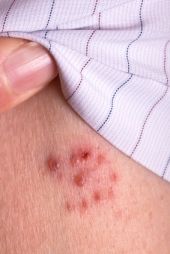
 Zithromax is a widely-used drug. This popularity stems from its efficacy against a vast range of conditions. However, the antibiotic carries a risk of a lethal skin reaction called Stevens Johnson Syndrome (SJS).
What is SJS
SJS is an autoimmune disorder, a reaction in which the immune system goes haywire and attacks itself. In the case of SJS, the body attacks the skin. The reaction may also involve the mucous membranes and the eyes. Exceptional cases even involve the surface of the internal organs. Roughly 10 percent of patients die from the disorder.
Zithromax and SJS
Many details of how SJS works remain elusive. However, the disease almost universally happens after an individual takes a drug. Much more rarely, it may occur in response to an infection, or even cancer. Certain drugs, including Zithromax, can trigger the disease. It appears that genetics play a role. Certain alleles seem to be linked to an increased risk of developing the reaction in response to specific drugs, but many people who develop SJS lack the specific gene, and many who have the gene do not develop the reaction. The reaction is relatively rare, but that’s little comfort to the person who draws the straw.
Symptoms of SJS
When the immune system attacks the skin, the symptoms are very serious. The skin is the largest organ of the body, and widespread damage to the skin can have dire consequences. The syndrome starts with flu-like symptoms, including chills, fever and aches. But this condition rapidly gives way to blisters, sores and ulcers. In the most extreme cases, this damage can escalate to a more severe form the disorder, Toxic Epidermal Necrolysis or TEN. In TEN, patches of the skin die and slough off, leaving damage that resembles thermal burns. The mortality rate associated with TEN jumps up to more than 40 percent. Even survivors face serious TEN complications, including disfiguring and disabling scarring, impaired organ function and blindness.
Take Action Now
If you or a loved one developed SJS after taking Zithromax, you’ve almost certainly been through a trying ordeal. In addition to the incalculable physical and emotional toll of such a situation, a medical emergency can have a substantial financial cost in terms of hospital bills, lost wages and lost income potential. Additionally, some of the Zithromax SJS complications may last a lifetime. When facing such a situation, many people feel overwhelmed, or even depressed.
Regardless of the challenges you are facing, it is important to remember that you still have rights, and there are steps that you can take to regain a measure of control over your situation. You can start by visiting the Zithromax Lawsuit: Z-Pak Zithromax Azithromycin Heart Attack Class Action Lawsuit Settlement Investigation. Here, you can enter information about your situation for a legal review by a trained expert with a background in this type of litigation. The initial consultation is completely free of charge, and from it, you can receive valuable guidance on the best steps to take in your exact situation.
ATTORNEY ADVERTISING
Top Class Actions is a Proud Member of the American Bar Association
LEGAL INFORMATION IS NOT LEGAL ADVICE
Top Class Actions Legal Statement
©2008 – 2026 Top Class Actions® LLC
Various Trademarks held by their respective owners
This website is not intended for viewing or usage by European Union citizens.

FACTA lawsuit investigation: Check your paper receipts for credit card privacy violations
November 6, 2026 | Legal News











