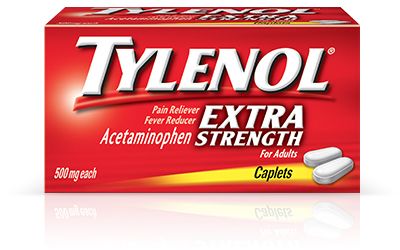
The wife of a deceased Utah man has filed a Tylenol lawsuit against McNeil Consumer Healthcare and Johnson & Johnson alleging that Tylenol caused her husband to suffer a fatal bout of Toxic Epidermal Necrolysis (TEN), a skin disease that results in large areas of the skin to peel or slough off in sheets.
Up to 40 percent of people who suffer TEN die from complications associated with the painful disease, compared with 5 to 15 percent of those with another form of the disease known as Stevens Johnson syndrome (SJS). Survivors may experience lifelong health problems such as a secondary skin infection (cellulitis), sepsis (a blood infection), blindness, internal organ damage and permanent skin damage.
According to Sheila Knop Stevenson’s SJS Tylenol lawsuit, Michael Knop fell off a horse in May 2010 and suffered aches and pains afterward. To relieve his pain, he began taking Tylenol. The over-the-counter pain reliever reportedly contained no warnings about a risk of serious, potentially fatal skin reactions.
Knop took the recommended dose of Tylenol throughout the summer. In September 2010, Knop purchased another bottle of Tylenol at the airport during a trip to Illinois. He continued to take the medication as directed.
The Tylenol was marketed and advertised as a safe and effective way to relieve pain and reduce fevers, according to Stevenson’s Tylenol Stevens Johnson Syndrome lawsuit.
On the final day of his visit, Knop developed a severe fever. The fever persisted despite Knop taking the Tylenol. During the return flight to Utah, he reportedly developed a skin rash and on the drive home from the airport his jaw began to swell, both known symptoms of Stevens Johnson Syndrome and its more deadly form, Toxic Epidermal Necrolysis.
On Sept. 14, 2010, Knop went to the emergency room at Castleview Hospital in Price, Utah where doctors documented fever, rash, headache, vomiting, and pelvic tenderness. The doctors reportedly failed to diagnose Toxic Epidermal Necrolysis. Knop was sent home and told to continue taking the recommended dosage of Tylenol.
The following day his symptoms reportedly became markedly worse but doctors advised Knop to continue taking the Tylenol to alleviate the pain, according to the Tylenol SJS lawsuit.
The rash began to spread over much of his body while Knop’s fever spiked and he allegedly experienced “an excruciating burning sensation.”
He was rushed back to the hospital by ambulance on Sept. 16, 2010, where doctors again documented pain, rash, fever, and other symptoms.
“Some of the doctors postulated that Michael had Rocky Mountain Spotted Fever, others opined that he had a gallbladder infection and tentatively proposed an operation to remove the gallbladder,” according to the SJS lawsuit.
The rash became so inflamed that Knop’s skin started to slough off in sheets. He was transferred to the University of Utah Health Care’s University Hospital, where he was immediately diagnosed with Toxic Epidermal Necrolysis.
By that time, the disease covered more than 80 percent of Knop’s body. Knop was placed in the hospital’s ICU burn unit for treatment but his wife was informed that his chances of survival were slim.
The disease caused respiratory failure, renal failure, liver failure, gastrointestinal failure, and other serious and painful medical conditions. In an attempt to remove necrotic skin, treat infections, and rehabilitate failing organs, he underwent multiple surgeries, including skin and cadaver grafts, a tracheotomy, the insertion of nasoenteric tubes and the insertion of a central venous catheter.
“Throughout his hospitalization, University Hospital staff continued to prescribe Tylenol, as needed, for pain,” according to the Tylenol lawsuit.
But on Dec. 30, 2010, after 104 days in the burn unit, Knop died.
An autopsy showed that the cause of death was cardiac arrest due to multisystem organ failure due to TEN.
The Tylenol Stevens Johnson Syndrome Lawsuit is Sheila Knop Stevenson v. McNeil-PPC Inc., et al., Case No. 2:14-cv-00667-EJF, in the U.S. District Court for the District of Utah, Central Division.
Do YOU have a legal claim? Fill out the form on this page now for a free, immediate, and confidential case evaluation. The Stevens Johnson Syndrome attorneys who work with Top Class Actions will contact you if you qualify to let you know if an individual lawsuit or class action lawsuit is best for you. [In general, SJS lawsuits are filed individually by each plaintiff and are not class actions.] Hurry — statutes of limitations may apply.
ATTORNEY ADVERTISING
Top Class Actions is a Proud Member of the American Bar Association
LEGAL INFORMATION IS NOT LEGAL ADVICE
Top Class Actions Legal Statement
©2008 – 2026 Top Class Actions® LLC
Various Trademarks held by their respective owners
This website is not intended for viewing or usage by European Union citizens.
Get Help – It’s Free
Help for Victims of Stevens Johnson Syndrome
If you or a loved one were diagnosed with Stevens Johnson Syndrome (SJS) or toxic epidermal necrolysis (TEN) after taking a prescribed or over-the-counter medication, you may be eligible to take legal action against the drug’s manufacturer. Filing an SJS lawsuit or class action lawsuit may help you obtain compensation for medical bills, pain and suffering, and other damages. Obtain a free and confidential review of your case by filling out the form below.
An attorney will contact you if you qualify to discuss the details of your potential case at no charge to you.
Oops! We could not locate your form.