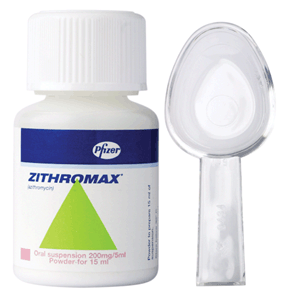
 Zithromax (azithromycin) is one of the world’s most common drugs. In the United States alone, more than 40 million prescriptions are written for the antibiotic. When a drug is so widespread, even relatively rare side effects can be a major concern. One of the potential side effects associated with the drug is hepatotoxicity, or chemical driven liver damage often induced by drugs.
Zithromax is a semi-synthetic macrolide antibiotic. This means the drug was derived from naturally occurring compounds, but modified and improved by artificial processes into a new molecule.
A major part of Zithromax’s popularity stems from the fact that the antibiotic can work against a huge variety of bacterial infections. Additionally, Zithromax is structurally different from antibiotics in the penicillin family, making it useful for patients with penicillin allergies. However, according to a report issued by the National Institute of Health, the drug has been linked to a number of serious Zithromax side effects.
Zithromax, like many drugs, is broken down by the liver. This process breaks Zithromax into smaller chemicals called secondary metabolites. Some individuals’ physiology causes this process to work differently than most, either breaking the antibiotic down into unusual, potentially dangerous metabolites or acting more quickly than usual, creating a dangerous amount of familiar metabolites. These individuals may experience hepatotoxicity from the antibiotic.
While this is relatively rare, with tens of millions of prescriptions of Zithromax across the country, some unfortunate patients can face this Zithromax side effect.
The severity of toxic liver disease associated with drugs like Zithromax varies wildly. Roughly 1 to 2 percent of patients experiencing transient and asymptomatic hepatotoxicity. This means that the drug causes changes in the body that show up on blood tests in the short term, but cause no obvious symptoms.
However, more sever problems can occur. When a person experiences drug-induced liver damage, they may experience fatigue, jaundice and pain. Fever may also be present, contributing to a general feeling of sickness. This can even occur a few days after treatment with the drug ceases.
In most cases, the patient heals within four to eight weeks. However, some patients experience permanent, pathological changes to the way their liver works, and even deaths have been reported from liver failure in Zithromax patients.
If enough patients suffer serious Zithromax side effects, Pfizer Inc. may face a type of legal action called a multidistrict litigation or MDL. MDLs are a type of group lawsuit, similar in some way to a class action lawsuit.
In both MDLs and class action lawsuits, a group of people (the plaintiffs) allege that they have suffered similar harm at the hands of the same defendants. The main difference between class action lawsuits and MDLs is that class action lawsuits start out as group lawsuits, while MDLs start as individual lawsuits which are later grouped together into a single class action lawsuit. This makes MDLs more common for drug lawsuits, since the patients in drug lawsuits tend to have injuries that vary, making a single class action lawsuit.
Join a Free Zithromax Class Action Lawsuit Investigation
If you believe that you or a loved one has been the victim of a Zithromax/Z-Pak injury such as a heart attack, liver damage, or Stevens Johnson Syndrome, you have legal options. See if you qualify to join a free Zithromax class action lawsuit investigation and pursue compensation for you or your loved one’s injuries:
Oops! We could not locate your form.
ATTORNEY ADVERTISING
Top Class Actions is a Proud Member of the American Bar Association
LEGAL INFORMATION IS NOT LEGAL ADVICE
Top Class Actions Legal Statement
©2008 – 2026 Top Class Actions® LLC
Various Trademarks held by their respective owners
This website is not intended for viewing or usage by European Union citizens.

FACTA lawsuit investigation: Check your paper receipts for credit card privacy violations
November 6, 2026 | Legal News