

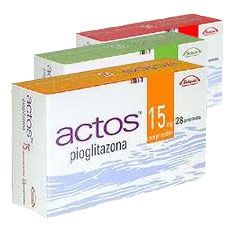
Maine plaintiff James C. is suing the Japanese drug giant, Takeda Pharmaceuticals, for allegedly causing him to get bladder cancer. James claims that as a direct result of using their type-2 diabetes medication, Actos, he developed this condition.
As one of the millions of Americans who are affected by diabetes, James had been prescribed Actos as a long-term treatment medication. It is important to note that Actos is typically prescribed as an alternative medication due to its aggressive nature, often suggested after first choice medications are shown to be ineffective.
James followed the advice of his physician and had taken the drug in accordance with the label. Allegedly, he had not been previously aware of the possibility of bladder cancer. From July 2002 through August 2005, James had taken Actos accordingly, which had successfully managed his diabetic symptoms. However, upon his bladder cancer diagnosis, he ceased his Actos prescription on Aug. 31, 2005.
According to the Actos lawsuit, the plaintiff’s life has been permanently compromised, as bladder cancer is one of the most aggressive variants of cancer, with few treatment options. Along with staggering medical bills, James’ life expectancy has been dramatically cut down, as patients often only live a few years after diagnosis. James insists that he never would have agreed to take Actos if he had known that bladder cancer was a possibility.
Therefore, James is taking legal action against Takeda Pharmaceuticals for allegedly failing to protect him against their drug’s side effects. James alleges that Takeda knew about the risk of Actos bladder cancer, but deliberately omitted it from the drug’s label. The plaintiff’s legal representative states that the defendant had the responsibility of warning their client, and other consumers, of all adverse effects of their products.
James is suing Takeda Pharmaceuticals for being allegedly responsible for manufacturing, selling, distributing, and marketing a dangerous drug. The charges include negligence, false advertising, concealing information, and misrepresenting a product.
This Actos Bladder Cancer Lawsuit is In Re: Actos Product Liability Litigation, MDL No. 2299, in the U.S. District Court for the Western District of Louisiana.
Overview of Actos Complications
Actos was released as a joint effort by Takeda Pharmaceuticals and their American partner, Eli Lilly & Co., to be a progressive type-2 diabetes treatment medication. This venture has been successful for both companies, who have garnered millions in profits from Actos patients since its release. It was officially approved in July 1999, and has since been prescribed to millions of patients with aggressive type-2 diabetes.
As a fast and aggressive treatment medication, Actos is often only prescribed when front-line medications prove to be ineffective. It is important to note that Actos should only be used to treat type-2 diabetes, due to the fact that Actos is specifically an insulin-stabilizing drug, which comes in handy when the body cannot regulate its insulin production. As a part of the thiazolidinediones (TZDs) drug family, Actos is completely useless in the case of type-1 diabetes, where the patient is completely unable to produce insulin for themselves.
Unfortunately, concern has recently been raised over the fact that Actos may cause patients to develop bladder cancer. While this has not been conclusively proven, several scientific inquiries have found results indicating this correlation, with numerous FDA injury reports echoing this concern. As of now, experts are unsure as to why this may be happening, but theorize it is stemmed from how the patients digest the medication. To make matters worse, legal experts have accused the company of being aware of the risk for years, but claim they chose not to inform their consumers or the medical community. Takeda allegedly did this in order to protect the market of value of Actos, as well as to insure its popularity.
The numerous patients who were hurt by this fraudulent action have filed legal action against Takeda Pharmaceuticals. These patients allegedly developed bladder cancer after taking Actos, and claim that the company either knew or should have known the risks Actos presented to patients.
Do YOU have a legal claim? Fill out the form on this page now for a free, immediate, and confidential case evaluation. The attorneys who work with Top Class Actions will contact you if you qualify to let you know if an individual Actos lawsuit or Actos class action lawsuit is best for you. [In general, Actos bladder cancer lawsuits are filed individually by each plaintiff and are not class actions.] Hurry — statutes of limitations may apply.
ATTORNEY ADVERTISING
Top Class Actions is a Proud Member of the American Bar Association
LEGAL INFORMATION IS NOT LEGAL ADVICE
Top Class Actions Legal Statement
©2008 – 2026 Top Class Actions® LLC
Various Trademarks held by their respective owners
This website is not intended for viewing or usage by European Union citizens.
Get Help – It’s Free
Join a Free Actos Class Action Lawsuit Investigation
If you or someone you know took Actos and were diagnosed with bladder cancer or bladder tumors, legal options are available. See if you qualify by filling out the short form below.
An attorney will contact you if you qualify to discuss the details of your potential case at no charge to you.
Oops! We could not locate your form.











