

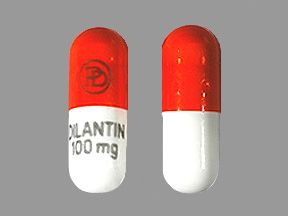
 As far back as 1999, researchers questioned the safety of anti-seizure drug, Dilantin (phenytoin), in the face of the risk of Stevens Johnson Syndrome.
Stevens Johnson Syndrome (SJS) is an autoimmune reaction, a disease where the immune system malfunctions and attacks the body. Essentially, the body attacks the skin, causing life-threatening symptoms.
SJS symptoms include a painful, blistering rash that can spread to the eyes and internal organs, which can be fatal. In fact, particularly severe cases of SJS can escalate to a more severe form of the disorder called Toxic Epidermal Necrolysis (TEN). The skin damage from TEN is so severe that it resembles thermal burns, and the mortality rate can be as high as 40 percent, higher than some types of Ebola.
Nearly all cases of Stevens Johnson Syndrome and Toxic Epidermal Necrolysis can be attributed to allergic drug reactions. The reaction seems to be at least partially genetic, though more than one gene is involved, making it very hard to predict what drug will cause Stevens Johnson Syndrome or Toxic Epidermal Necrolysis in what patient. But Dilatin is among the drugs known to cause SJS and TEN in some susceptible individuals, prompting at least 100 Dilantin lawsuits.
What Is Dilantin?
Dilantin, also known as phenytoin, is an anticonvulsant, commonly used as a preventative drug for patients with epilepsy and related disorders to control their seizures. However, it is also routinely used for patients having certain types of brain surgery.
Research Links Dilantin To Stevens Johnson Syndrome
Dilantin Stevens Johnson Syndrome concerns were cited in a 1999 Swedish publication, the peer-reviewed research journal Acta Oncologia. In the paper, researchers reported that four cases of Stevens Johnson Syndrome were seen in a particular surgical department.
In these cases, Dilantin was prescribed during brain surgery and cranial radiotherapy targeting brain tumors as a preventative measure, since these procedures sometimes trigger seizures and convulsions. During the two-year time period in question, four cases of this supposedly rare drug reaction were reported. Of these four cases, one person died. Based on this, as well as “anecdotal support,” researchers that there may be a synergistic effect between these brain tumor treatments and Dilantin.
This means that researchers suspected that a patient having these treatments and taking Dilantin had a greater risk of SJS than a patient just taking the drug on its own. Based on this, researchers advised further research and questioned the use of Dilantin in patients with no history of seizures during cranial radiotherapy or brain surgery.
Dilantin SJS Lawsuits
SJS lawsuits have been filed by patients who have suffered from Stevens Johnson Syndrome after taking Dilantin or other drugs. These SJS lawsuits commonly allege that drug makers were aware—or reasonably should have been aware based on postmarked surveillance and research papers like this one—of the risk of Stevens Johnson Syndrome linked to drugs like Dilantin.
Do YOU have a legal claim? Fill out the form on this page now for a free, immediate, and confidential case evaluation. The SJS attorneys who work with Top Class Actions will contact you if you qualify to let you know if an individual lawsuit or Dilantin class action lawsuit is best for you. [In general, Dilantin lawsuits are filed individually by each plaintiff and are not class actions.] Hurry — statutes of limitations may apply.
ATTORNEY ADVERTISING
Top Class Actions is a Proud Member of the American Bar Association
LEGAL INFORMATION IS NOT LEGAL ADVICE
Top Class Actions Legal Statement
©2008 – 2026 Top Class Actions® LLC
Various Trademarks held by their respective owners
This website is not intended for viewing or usage by European Union citizens.
Get Help – It’s Free
Help for Victims of Stevens Johnson Syndrome
If you or a loved one were diagnosed with Stevens Johnson Syndrome (SJS) or toxic epidermal necrolysis (TEN) after taking a prescribed or over-the-counter medication, you may be eligible to take legal action against the drug’s manufacturer. Filing an SJS lawsuit or class action lawsuit may help you obtain compensation for medical bills, pain and suffering, and other damages. Obtain a free and confidential review of your case by filling out the form below.
An attorney will contact you if you qualify to discuss the details of your potential case at no charge to you.
Oops! We could not locate your form.











