

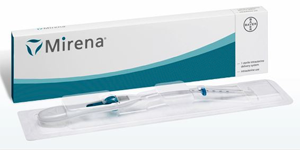
 Tennessee plaintiff Cherie Allen has filed a Mirena lawsuit against Bayer Healthcare Pharmaceuticals for the injuries she suffered from its birth control device, alleging that she suffered serious and permanent injuries as a direct result from using the Mirena IUD.
Allen chose the Mirena IUD for her method of birth control, but had not been told of the possible Mirena side effects associated with the device, she states in her Mirena lawsuit. Therefore, at the time of the insertion, she had not been fully aware nor did she have reasonable warning to any dangers, preventing Allen from making a reasonable decision. Allen says she became aware of Mirena’s defects through televised warnings and internet disclosures from third parties.
Allen first had the device inserted into her in February 2010, and had experienced no initial pain or complications. Allen requested in June 2013 that the Mirena IUD be removed. However, pelvic examinations failed to locate the strings of the Mirena, prompting an ultrasound appointment, according to the Mirena lawsuit.
The ultrasound failed to locate the Mirena, which forced the plaintiff to undergo removal surgery on June 21, 2013. After the device was removed, it was discovered that the device had perforated and migrated from the uterus and had embedded itself in her abdominal cavity.
In her Mirena lawsuit, Allen states there were no indications on the device to warn against migration injuries, and the defendant company made no efforts to notify her of the dangers.
Allen states that she never would have chosen to use the device if she had known about the Mirena IUD side effects. Furthermore, the Mirena lawsuit says that Bayer Pharmaceuticals had the responsibility to warn healthcare providers and the general public of these Mirena side effects, because they rely on the accuracy of the given information.
Overview of Mirena IUD Complications
The Mirena IUD was first approved by the U.S. Food and Drug Administration in December 2000, and is manufactured by Bayer Pharmaceuticals. It is the first intrauterine device approved and sold in the United States, and has since garnered more than 2 million prescriptions in the United States alone, and more than 15 million prescriptions worldwide.
The Mirena IUD is a long-term contraceptive method that is designed to last up to five years, and is designed to make pregnancy prevention as easy as possible for the patient. Due to the hormones composed in the device’s endpoints, most medical experts only recommend the device be prescribed to women who have have already given birth.
The device is t-shaped and made of biologically safe plastic that is inserted directly into the patient’s uterus. The Mirena IUD releases a small dose of a synthesized hormone called leveonorgestrel, directly into the bloodstream. Levonorgestrel is a synthetic progestin, which controls the woman’s hormone levels, and prevents ovulation and sperm-to-egg fertilization. Due to how closely it interacts with the patient’s reproductive cycle, doctors generally only prescribe the device to women who have already had one child.
However, the complications that were reported from using the Mirena IUD primarily indicated device perforation, migration, and organ embedment. The product’s label describes these events as uncommon, despite the vast number of women that have submitted injury reports.
The Mirena IUD Lawsuit is Cherie Allen v. Bayer Healthcare Pharmaceuticals Inc., Case No. 3:14-cv-01318, in the U.S. District Court for the Middle District of Tennessee, Nashville Division.
Join a Free Mirena Class Action Lawsuit Investigation
If you or a loved one had the Mirena IUD inserted after January 1, 2000 and had to have surgery – or will be required to have surgery – to remove the IUD because it migrated, you may be eligible to take legal action against the manufacturer. Joining a Mirena class action lawsuit or filing an individual Mirena IUD lawsuit may help you recover compensation for medical bills, pain and suffering and other damages. Obtain a free case evaluation now:
Oops! We could not locate your form.
ATTORNEY ADVERTISING
Top Class Actions is a Proud Member of the American Bar Association
LEGAL INFORMATION IS NOT LEGAL ADVICE
Top Class Actions Legal Statement
©2008 – 2026 Top Class Actions® LLC
Various Trademarks held by their respective owners
This website is not intended for viewing or usage by European Union citizens.

FACTA lawsuit investigation: Check your paper receipts for credit card privacy violations
November 6, 2026 | Legal News











