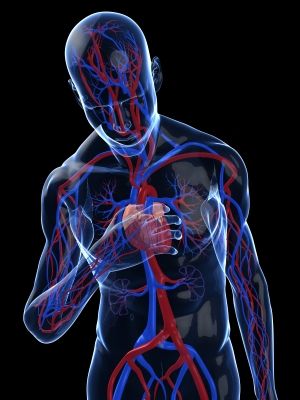
 Another study has linked the antibiotics Zithromax and Levaquin to abnormal heart rhythms known as arrhythmias in addition to existing concerns about heart problems and the potentially deadly Stevens Johnson Syndrome that has dogged Zithromax for some time.
In the study published in the March/April issue of The Annals of Family Medicine, researchers found that using either of the two popular antibiotics carried an increased risk of heart problems and death. While Zithromax has already been under scrutiny over heart complications, Levaquin was not named in earlier reports.
The research used data from 1.8 million individuals treated through the U.S. Veterans Affairs medical system. Researchers then combed through the data and applied statistical analysis to explore the connection, if any, between various drugs and various outcomes.
The researchers found that individuals taking Zithromax has a significantly increased risk of death, particularly in the first week of treatment. “Significantly,” means that mathematical tests revealed the results are unlikely to be coincidence. Their results were supported by earlier studies.
With Levaquin, the researchers found that patients actually doubled their risk of death and arrhythmia throughout the course of their treatment.
What is Arrhythmia?
The heart is a relatively complex pump. Various nerves and muscles work together to beat in a very specific way. There are two main “pump” components of the heart, the right ventricle (which drives blood to the lungs) and the left ventricle (which drives blood to the rest of the body). These two pumps working in succession creates the characteristic “thump-THUMP” sound of the heartbeat. When parts of this system fall out of perfect sync, it is called an arrhythmia, heart murmur, or abnormal heart rhythm. A heart murmur can vary wildly in its seriousness. For some, a minor deviation from the standard rhythm has no consequences. For others, it can be lethal.
The type of murmur associated with Zithromax and Levaquin is called an elongation of the Q-T interval. This refers to different stages in the heartbeat, since medical science assigns letters to the various stages of the heartbeat. This type of arrhythmia can cause the two ventricles of the heart to fall out of step. If they fall far enough out of step, both ventricles can try to beat at the same time. This causes the hearts’ muscles to hydraulically lock, essentially fighting each other with fluid pressure. This can cause the heart to stop, a condition called the “widowmaker” heart attack.
Take Action Now
Lawsuits have been filed by people who suffered from heart problems after taking Zithromax as well as by loved ones of those who have died from a Zithromax induced heart attack. These lawsuits allege that Zithromax drug maker Pfizer Inc. was aware of the risks of serious complications associated with this popular antibiotic and downplayed the risks, preventing patients and their doctors from having all of the information they needed to make informed medical decisions.
If you or a loved one suffered from serious heart problems after using Zithromax, you can start to explore your legal options by visiting the Zithromax Lawsuit: Z-Pak Zithromax Azithromycin Heart Attack Class Action Lawsuit Settlement Investigation. There, you can enter information about your situation for a legal review by a trained expert with a background in this type of litigation. The initial consultation is completely free of charge and from it, you can receive additional guidance on the best steps to take in your exact situation.
ATTORNEY ADVERTISING
Top Class Actions is a Proud Member of the American Bar Association
LEGAL INFORMATION IS NOT LEGAL ADVICE
Top Class Actions Legal Statement
©2008 – 2026 Top Class Actions® LLC
Various Trademarks held by their respective owners
This website is not intended for viewing or usage by European Union citizens.

FACTA lawsuit investigation: Check your paper receipts for credit card privacy violations
November 6, 2026 | Legal News