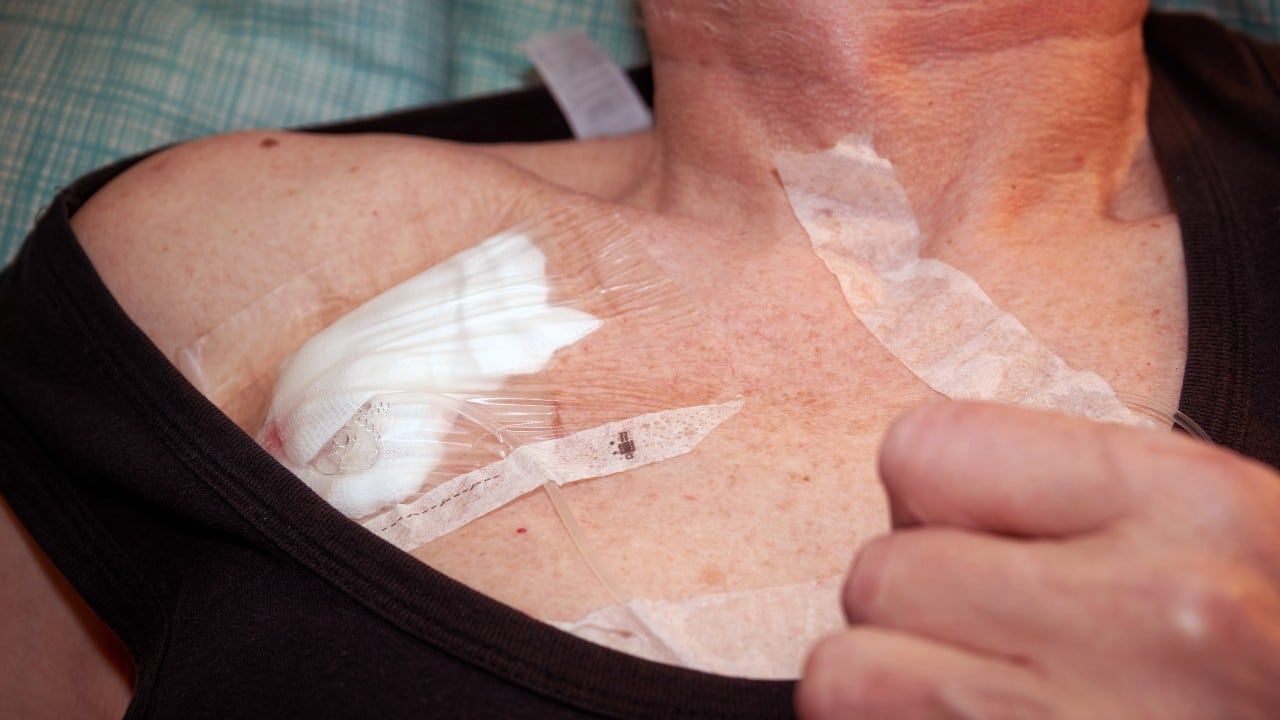
 Illinois couple Laura and Thomas Lukas are suing Stryker Corp. for the injuries the primary plaintiff allegedly sustained from their Stryker Rejuvenate hip module. The primary plaintiff, Laura Lukas, alleges that she suffered from metallosis as a direct result of using the metal hip implant.
On Oct. 24, 2011, Mrs. Lukas had complete left hip replacement surgery, in which the Stryker Rejuvenate Modular Hip was installed. While there were no initial complications, Lukas started complaining of pain in the surgical area sometime after the surgery. After several medical exams, it was discovered that the metal ions in her blood were at a high level, and that there was fretting and corrosion on the hip replacement device.
Due to these conditions, Lukas had the device removed on April 25, 2013. Lukas later learned that the hip implant used in her surgery was recalled on July 4, 2012, which initiated the lawsuit. Lukas insists that there were no special instructions for the surgeons to follow, nor did the defendant company notify her or her husband in any way, of the potential hip replacement complications caused by the recalled Stryker hip implant. Lukas states that Stryker had the obligation to warn her of these side effects, because she was relying on the information given to her.
At no point in time was Lukas or her physician were made aware of the possible hip replacement complications, nor were they made aware of any relevant studies noting that metal on metal hip implants are prone to early failure. Lukas states that if she had known about these side effects, she never would have gotten the hip module implanted. Thanks to the device she developed a variety of side effects, which include: swelling, tissue necrosis, metallosis, adverse soft tissue reaction, and pseudotumor formation.
For manufacturing, selling, marketing, and distributing a dangerous product, Lukas is suing Stryker Corporation. The charges include: negligence, false advertising, misrepresenting a product, and concealing information.
Overview of Stryker Rejuvenate Complications
The Stryker Rejuvenate system was first introduced into the United States in February 2009. At the time of its production, the Stryker Rejuvenate had been thought to be superior in the hip module competition because its composing materials were metal. They are stronger and more durable than ceramic or polyester products, and can be specifically fitted for each individual patient’s body frame. Younger patients tend to choose metal-on-metal hip modules because of the greater durability, and its customization feature.
Metal-on-metal hip modules were popular for these reasons, but soon after the release of Stryker’s Rejuvenate, problems soon became apparent. Most metal-on-metal hip modules had gotten their approval through the FDA’s 510(k) process; a policy that allows a product to go to the market without clinical study or preclinical trial. As long as the new product compares with a similar product already on the market, then it is assumed to be just as efficient. The lack of safety approval had garnered vast critic from the public and mass legal movements from injured parties.
The complications that were reported from these devices included: debilitating pain, infection, metallosis, corrosion, fretting, and other complications. According to various scientific studies, it was found that when the ball and socket joint of the metal-on-metal hip systems move against each other, metal ions are shed into the blood, which has been shown to be the main cause of these complications.
Stryker Litigation Movement
This case is a part of a multidistrict litigation (MDL) movement that is centered in Minnesota. Lukas will be joining other plaintiffs, alleging similar injuries.
The Stryker MDL is In re: Stryker Rejuvenate and ABG II Hip Implant Products Liability Litigation, MDL No. 0:13-md-02441, in the U.S. District Court for the District of Minnesota.
Help for Hip Replacement Injury Victims
If you or a loved received a metal on metal hip implant after January 1, 2009, and went to experience hip replacement complications such as dislocated hip, metal poisoning, cancer, tissue death, pain or other injury, there’s still time to take legal action against the device manufacturer. These companies have already paid out millions of dollars to victims. Don’t delay – see if you qualify to pursue compensation to cover your medical bills, pain and suffering and other damages at the Metal on Metal Hip Replacement Class Action Lawsuit Investigation.
ATTORNEY ADVERTISING
Top Class Actions is a Proud Member of the American Bar Association
LEGAL INFORMATION IS NOT LEGAL ADVICE
Top Class Actions Legal Statement
©2008 – 2026 Top Class Actions® LLC
Various Trademarks held by their respective owners
This website is not intended for viewing or usage by European Union citizens.