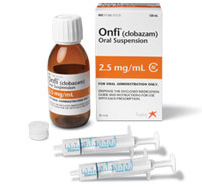
 On Dec. 3, 2013, the U.S. Food and Drug Administration (FDA) released a Safety Announcement and a Drug Safety Communication that the anti-seizure drug Onfi (clobazam) could cause the life-threatening disorder Stevens Johnson Syndrome (SJS) and its more severe form Toxic Epidermal Necrolysis (TEN). The FDA’s statements also required modification of the drug information packaged with Onfi.
SJS and TEN are a sort of terra incognita within medicine. While the medical community knows these disorders exist, and understands parts of them, many fundamental questions about the syndromes remain. For example, doctors understand that the vast majority of SJS and TEN cases happen in reaction to various medications, like Onfi, physicians have virtually no way of predicting who will react to which drugs. Certain “alleles,” or versions of genes, have been identified as promoting an increased risk of the reaction in response to certain drugs. However, many people with these genes never develop SJS, and many people who develop SJS do not have these genes.
While many questions about the syndrome’s etiology remain, its clinical appearance is well understood. As an autoimmune disease, SJS causes the body to attack its own tissue, specifically the skin. The immune system lashes out at the patient’s own tissue, causing fever, chills, sores, and ulcers. In some patients, the damage can spread to the internal organs and the eyes. The most severe cases progress to TEN, where patches of the skin die and slough off, leaving burn-like injuries to the skin and trachea.
The FDA’s came along with mandated changes to Onfi’s warning labeling. These warnings state that SJS and TEN have been reported as reaction to the drug. The warnings state that the risk is highest during the first eight weeks of treatment, and if treatment is stopped, then re-started. Like many aspects of SJS/TEN, it is not know why these times are the most risky for patients, but it has been consistently reported.
The FDA advises patients to immediately seek medical attention if they develop a rash or sores. The FDA does not advise patients to stop taking the drug without speaking to their physicians. While one of the primary treatments for SJS/TEN is to withdraw the causative drug, Onfi presents a special challenge in that sudden discontinuation of the drug can cause continuous seizures, hallucinations, and nervousness. So the drug should only be continued under the watchful care of a physician.
Lawsuits have been filed by patients who developed SJS or TEN after using various medications. These lawsuits allege that manufacturers were aware of the risks associated with their drugs, and failed to do enough to protect the general public from these dangers. These suits typically seek the recoupment of medical costs, lost wages, legal costs, and other forms of compensation for their injuries.
In general, SJS lawsuits are filed individually by each plaintiff and are not class actions.
Do YOU have a legal claim? Fill out the form on this page now for a free, immediate, and confidential case evaluation. The attorneys who work with Top Class Actions will contact you if you qualify to let you know if an individual lawsuit or class action lawsuit is best for you. Hurry — statutes of limitations may apply.
ATTORNEY ADVERTISING
Top Class Actions is a Proud Member of the American Bar Association
LEGAL INFORMATION IS NOT LEGAL ADVICE
Top Class Actions Legal Statement
©2008 – 2026 Top Class Actions® LLC
Various Trademarks held by their respective owners
This website is not intended for viewing or usage by European Union citizens.
Get Help – It’s Free
Help for Victims of Stevens Johnson Syndrome
If you or a loved one were diagnosed with Stevens Johnson Syndrome (SJS) or toxic epidermal necrolysis (TEN) after taking a prescribed or over-the-counter medication, you may be eligible to take legal action against the drug’s manufacturer. Filing an SJS lawsuit or class action lawsuit may help you obtain compensation for medical bills, pain and suffering, and other damages. Obtain a free and confidential review of your case by filling out the form below.
An attorney will contact you if you qualify to discuss the details of your potential case at no charge to you.
Oops! We could not locate your form.