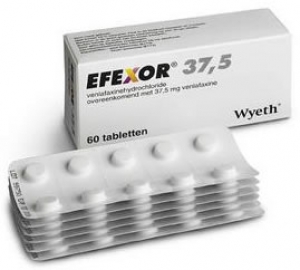
 A West Virginia woman has filed a federal Effexor birth defect lawsuit against drug manufacturer Pfizer, alleging product liability and a failure to warn about the dangerous risks associated with the drug when taken during pregnancy.
Plaintiff Stephanie Cumberledge alleges in the Effexor lawsuit that she gave birth to a baby boy on Oct. 29, 2008, and he was soon diagnosed with a serious birth defect known as tetralogy of fallot, a rare congenital heart defect that alters the blood flow through the heart. Tetralogy of fallot occurs in about 5 out of every 10,000 babies. The child also has other cardiac-related issues and has undergone several surgeries already and will require others in the future, according to the birth defect lawsuit.
Several anti-depressants known as selective serotonin re-uptake inhibitors (SSRIs) — Zoloft, Prozac, Lexapro and Celexa — have been linked to birth defects when taken during the first trimester of pregnancy. Effexor and Cymbalta, which are classified as serotonin and norepinephrine reuptake inhibitors (SNRIs), have also been connected to an increased risk.
In addition to heart defects, some of the birth defects that may be caused by these drugs include spina bifida, craniosynostosis (skull defect or head malformation), cleft lip, cleft palate, club foot, internal malformations, persistent pulmonary hypertension (PPHN), and lung defects.
Effexor has been on the market for more than 20 years for the treatment of anxiety, obsessive-compulsive disorder, depression, panic disorder and premenstrual dysphoric disorder. In 2007, more than 17 million patients had been prescribed the drug.
Various studies have found that mothers who took antidepressants gave birth to babies with a significant increase — up to 60 percent in one study — of heart defects, higher incidences of brain and skull defects and an increased risk of omphalocele, when the infant’s abdominal organs stick out of the belly button.
In 2012, an Ohio couple sued Wyeth Pharmaceuticals and Pfizer after their daughter was born with severe heart defects, including a malformed aorta, no aortic valve, a malformed mitral valve, and severe left hypoplastic heart. The baby died shortly after her 2010 birth.
The case later became part of a multidistrict litigation brought by parents from California, Illinois, Mississippi and Pennsylvania who allege that Effexor caused birth defects in the children when the mothers took the drug while pregnant.
The plaintiffs argue that Pfizer knew of the increased risk of birth defects for babies in utero but failed to adequately warn of it. In 2004, the U.S. Food and Drug Administration (FDA) issued revisions to the warning section of labels for certain antidepressants during the third trimester of pregnancy.
In general, birth defect lawsuits are filed individually by each plaintiff and are not class actions.
Do YOU have a legal claim? Fill out the form on this page now for a free, immediate, and confidential case evaluation. The attorneys who work with Top Class Actions will contact you if you qualify to let you know if an individual lawsuit or class action lawsuit is best for you. Hurry — statutes of limitations may apply.
ATTORNEY ADVERTISING
Top Class Actions is a Proud Member of the American Bar Association
LEGAL INFORMATION IS NOT LEGAL ADVICE
Top Class Actions Legal Statement
©2008 – 2026 Top Class Actions® LLC
Various Trademarks held by their respective owners
This website is not intended for viewing or usage by European Union citizens.
Get Help – It’s Free
Join a Free Birth Defect Lawsuit Investigation
If you or a loved one took Zoloft, Prozac, Lexapro, Effexor, Celexa, Cymbalta or Depakote during pregnancy and gave birth to a child with a congenital defect, you may have a legal claim against the drug’s manufacturer. Find out if you qualify to pursue compensation for your child’s medical expenses, pain and suffering, and other damages by filling out the form below now.
An attorney will contact you if you qualify to discuss the details of your potential case.
Oops! We could not locate your form.