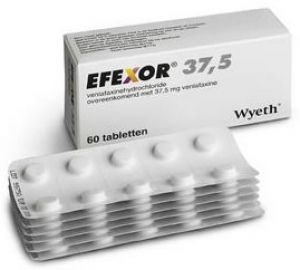
 On behalf of their son, who was born with life-threatening heart defects, a couple filed a birth defect lawsuit against the pharmaceutical companies that manufacture the antidepressant Effexor.
In the birth defects lawsuit filed in the U.S. District Court for the Eastern District of Pennsylvania against Effexor manufacturer Pfizer, formerly by Wyeth Pharmaceuticals, Kristi and Robert W. of Missouri state that when their child was born on Feb. 16, 2010 he had a host of congenital heart problems and other related conditions as a result of the mother’s use of Effexor during pregnancy.
The couple is seeking compensation for medical, nursing, surgeries, hospitalization, treatment, pharmacy, rehabilitation and other unforeseeable costs their child will require. They are also asking for punitive damages.
The child’s condition is a direct result of his mother taking Effexor during her pregnancy, the plaintiffs allege in the Effexor lawsuit, and the defendants allegedly knew or should have known prior to Kristi’s pregnancy that taking Effexor during pregnancy posed risks to the developing fetus.
Despite published studies confirming the risks, Effexor’s manufacturers concealed the information and failed to place a warning on the drug’s safety label, the birth defects lawsuit alleged.
The defendants “negligently, intentionally and fraudulently misled the medical community, physicians … and consumers” about the true risks of congenital birth defects associated with Effexor, they charge, instead representing that it was safe for use by women of childbearing years as well as their unborn children.
Kristi continued taking Effexor while pregnant under her doctor’s recommendation. The doctor relied on information provided by the manufacturer that there was no risk of birth defect associated with Effexor use during pregnancy, according to the Effexor birth defects lawsuit. Had Kristi’s doctors been adequately warned, they would not have prescribed Kristi Effexor during pregnancy, nor would she have agreed to take it, the Effexor lawsuit alleges.
Effexor, first approved for use in 1993, is part of a class of drugs known as SNRIs, (serotonin-norepinephrine reuptake inhibitors) which increase the concentrations of the neurotransmitters serotonin and norepinephrine in the body and the brain.
Effexor is used to treat major depressive disorder, generalized anxiety disorder, panic disorder and social phobia.
Side effects associated with the drug include nausea, headache, insomnia, drowsiness, dry mouth, constipation, sexual dysfunction, sweating and nervousness.
Studies have shown that women who take another class of antidepressants known as SSRIs (selective serotonin reuptake inhibitors) early in pregnancy have an increased risk of miscarriage.
“Women exposed to SSRIs during early pregnancy were at increased risk of miscarriage as were women discontinuing SSRI treatment before pregnancy, and these risks were similar,” according to a study of nearly 1.28 million pregnancies in Denmark between 1997 and 2010. “Therefore, treatment with SSRIs during pregnancy should not be discontinued as a result of fear of miscarriage.”
The study was undertaken specifically to investigate whether exposure to SSRIs in early pregnancy is associated with miscarriage.
Popular SSRIs such as Zoloft, Paxil, Prozac, Celexa, Lexapro and others have previously been linked to an increased risk of miscarriage, birth defects, pre-term birth, and pregnancy complications such as pre-eclampsia as well as developmental disorders later in a child’s life.
Women who stopped taking an SSRI antidepressant three to 12 months before pregnancy had a 24 percent increased risk of miscarriage, compared to women who had never taken the medication, according to the study.
The Danish study indicates that the risks may affect the fetus even if the woman discontinues taking the antidepressant when pregnant.
According to a National Institutes of Health, animal research has shown that “SSRI exposure during pregnancy can cause the same types of problems that have turned up in some human studies.”
Do YOU have a legal claim? Fill out the form on this page now for a free, immediate, and confidential case evaluation. The birth defect attorneys who work with Top Class Actions will contact you if you qualify to let you know if an individual lawsuit or class action lawsuit is best for you. [In general, birth defect lawsuits are filed individually by each plaintiff and are not class actions.] Hurry — statutes of limitations may apply.
ATTORNEY ADVERTISING
Top Class Actions is a Proud Member of the American Bar Association
LEGAL INFORMATION IS NOT LEGAL ADVICE
Top Class Actions Legal Statement
©2008 – 2026 Top Class Actions® LLC
Various Trademarks held by their respective owners
This website is not intended for viewing or usage by European Union citizens.
Get Help – It’s Free
Join a Free Birth Defect Lawsuit Investigation
If you or a loved one took Zoloft, Prozac, Lexapro, Effexor, Celexa, Cymbalta or Depakote during pregnancy and gave birth to a child with a congenital defect, you may have a legal claim against the drug’s manufacturer. Find out if you qualify to pursue compensation for your child’s medical expenses, pain and suffering, and other damages by filling out the form below now.
An attorney will contact you if you qualify to discuss the details of your potential case.
Oops! We could not locate your form.