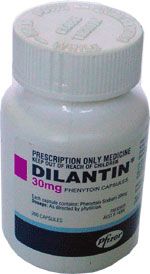
In late 2013, a young woman suffered Stevens Johnson Syndrome (SJS) after taking Dilantin. The case of this woman suffering the reaction was published in The Journal of Pharmacology and Phramacotherapeutics to help doctors and medical researchers better understand this rare, but serious, medical condition.
SJS, as well as the closely related Toxic Epidermal Necrolysis (TEN), is an autoimmune reaction, a disorder in which the body’s own immune system malfunctions and attacks the body using the same tools it usually uses to fight off disease organisms. In the case of SJS and TEN, the body attacks its own skin, causing a painful rash with sores, blisters and ulcers.
The damage to the skin can be life-threatening, and in the most extreme cases, patches of skin die and slough off. Though there is some disagreement on the exact parameters, once the damage spreads to enough of the skin, it is no longer considered SJS, but instead TEN, the most severe form of the disorder. The large sores of TEN closely resemble thermal burns, and carry the same risk of complications. Nearly all cases of SJS and TEN are triggered by drugs, and Dilantin is a major culprit.
In the case reported in the medical journal, a 28-year-old woman was taking Phenytoin (Dilantin). She has a history of medical problems, and poor compliance with Dilantin, suffering a spate of serious seizures after she stopped taking Dilantin. After the seizures, she was given a high dose of Dilantin to start a new course of the drug. However, three days after the new course of drugs, she began to suffer flu-like symptoms. Within 24 hours, mouth ulcers and a skin rash developed, and doctors began to suspect SJS. Physicians often have trouble diagnosing Dilantin SJS, since the initial SJS symptoms are generalized, but in this case, physicians realized it rapidly, and stopped the drugs. She continued to suffer for nearly two months before physicians judged the patient was well enough for discharge.
The report focused on the question that one of the patient’s antibiotics, given during a secondary infection, may have exacerbated the condition. But the paper does state that the woman was of East Indian descent. Some studies have suggested that certain alleles in populations from southern and eastern Asia may make some individuals more susceptible to developing SJS and TEN from Dilantin.
SJS lawsuits have been filed by patients — or surviving next of kin — that allege drug makers have not done enough to protect the public from the risk of SJS and TEN. These lawsuits allege that drug makers are aware, or reasonably should be aware, of the risk of SJS and related complications. Such SJS lawsuits further allege that not only were drug makers aware of the risk, but that they’ve deliberately downplayed the risk, endangering the public. SJS lawsuits generally seek to recoup the cost of care, lost wages, legal fees, and other costs related to SJS.
In general, Dilantin lawsuits are filed individually by each plaintiff and are not class actions.
Do YOU have a legal claim? Fill out the form on this page now for a free, immediate, and confidential case evaluation. The attorneys who work with Top Class Actions will contact you if you qualify to let you know if an individual lawsuit or class action lawsuit is best for you. Hurry — statutes of limitations may apply.
ATTORNEY ADVERTISING
Top Class Actions is a Proud Member of the American Bar Association
LEGAL INFORMATION IS NOT LEGAL ADVICE
Top Class Actions Legal Statement
©2008 – 2026 Top Class Actions® LLC
Various Trademarks held by their respective owners
This website is not intended for viewing or usage by European Union citizens.
Get Help – It’s Free
Help for Victims of Stevens Johnson Syndrome
If you or a loved one were diagnosed with Stevens Johnson Syndrome (SJS) or toxic epidermal necrolysis (TEN) after taking a prescribed or over-the-counter medication, you may be eligible to take legal action against the drug’s manufacturer. Filing an SJS lawsuit or class action lawsuit may help you obtain compensation for medical bills, pain and suffering, and other damages. Obtain a free and confidential review of your case by filling out the form below.
An attorney will contact you if you qualify to discuss the details of your potential case at no charge to you.
Oops! We could not locate your form.