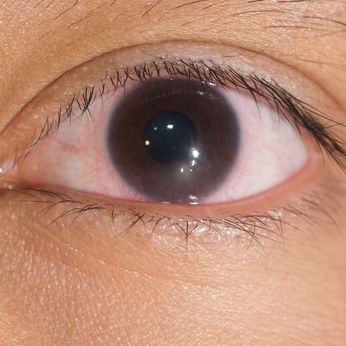
 Despite their prevalence, new research has suggested that fluoroquinolone antibiotics may be a major risk factor for uveitis, an eye disease.
Fluoroquinolones are a class of antibiotics. This group of antibiotics was among the first fully-synthetic antibiotic classes. While earlier generations of antibiotics were all derived from chemicals in bacteria and fungi used to kill other microorganisms, fluoroquinolones were completely developed in the laboratory.
It was hoped that their synthetic nature would make fluoroquinolones insusceptible to the side effects and complications found in non-synthetic antibiotics. Unfortunately, while fluoroquinolones have proven to be comparable in performance and safety to other widely-used antibiotics, they have not proven to be free of serious fluoroquinolone side effects.
Uveitis is an inflammation of the inside of the eye. Doctors classify uveitis based on where in the eye the inflammation occurs. If it occurs near the front of the eye, it is called anterior uveitis. In the middle of the eye, doctors call it intermediate uveitis. In the back of the eye, it is called posterior uveitis.
Uveitis can cause a wide range of serious problems, including blurred vision, sensitivity to light, redness of the eye, eye pain, blind spots, and other serious symptoms. A number of factors can cause this inflammation, including disease, injury, and some drugs. Allegedly, it can be caused by fluoroquinolone antibiotics.
In October 2014, researchers published a study in the peer-reviewed medical journal JAMA: Ophthalmology. In this research, the study’s authors performed a case control study. In this type of study, the researchers identified an outcome: an eye disease called uveitis.
Then researchers found another group of people, as similar as they could to the group with uveitis, and compared them to see what possible factors could account for their uveitis. Specifically, researchers used medical data from 13,313 men with uveitis and 133,130 men without the disease who had otherwise-similar medical histories. Researchers then used statistical analysis to compare various factors between the two groups.
In this study, it was found that patients with uveitis were almost three times more likely to have recently started using a drug called Avelox or moxifloxacin. Avelox and moxifloxacin belong to the fluoroquinolone family of antibiotics.
Additionally, people who had taken the drug in the past had a 1.12 times greater chance of developing uveitis. Additionally, people who used another fluoroquinolone called Levofloxacin, sold as Levaquin, had a similar increase of developing uveitis compared to the control group.
Do YOU have a legal claim? Fill out the form on this page now for a free, immediate, and confidential case evaluation. The attorneys who work with Top Class Actions will contact you if you qualify to let you know if an individual lawsuit or class action lawsuit is best for you. [In general, antibiotic injury lawsuits are filed individually by each plaintiff and are not class actions.] Hurry — statutes of limitations may apply.
ATTORNEY ADVERTISING
Top Class Actions is a Proud Member of the American Bar Association
LEGAL INFORMATION IS NOT LEGAL ADVICE
Top Class Actions Legal Statement
©2008 – 2026 Top Class Actions® LLC
Various Trademarks held by their respective owners
This website is not intended for viewing or usage by European Union citizens.
Get Help – It’s Free
Join a Free Fluoroquinolone Antibiotic Class Action Lawsuit Investigation
If you took Cipro, Levaquin, Avelox, Noroxin or Factive and were diagnosed with an eye injury or nerve damage, you may have a legal claim. Submit your information now for a free case evaluation.
An attorney will contact you if you qualify to discuss the details of your potential case at no charge to you.
Oops! We could not locate your form.