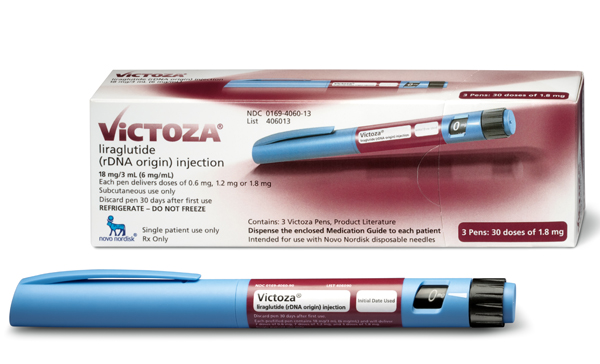
 There’s an epidemic of Type-2 diabetes in the United States. It is the fastest growing chronic disease in the country. While it may be managed during early stages, oftentimes medication such as Victoza is required.
Diabetes can lead to a host of illnesses, even death, but a growing number of Victoza cancer lawsuits have been filed by victims claiming that the drug actually causes pancreatic cancer. Over 90 percent of people who are diagnosed with pancreatic cancer die within a few months of diagnosis. Virtually none live beyond the five-year mark.
This exacerbates an already heartbreaking issue for many Victoza cancer victims: With only a few months to live, who wants to spend it in court? Joining multidistrict litigation (MDL) where hundreds of other diabetes drug cancer lawsuits have been filed can help speed up the process without skimping on any of the potential benefits. It also levels the playing field, so victims aren’t in a veritable lottery system depending on different judges, who may have different results, around the country. A centralized systems allows for a faster process because double discovery isn’t necessary, so the basic facts (such as the history of Victoza) doesn’t have to be repeated over and over again.
Recently, Linda Escargica joined the diabetes drug cancer MDL after her husband Raymond Escarcigo was diagnosed with pancreatic cancer after allegedly being prescribed Victoza. Other drugs that qualify for this MDL include Januvia and Byetta.
Linda joined the diabetes drug cancer MDL on Feb. 5, 2014, joining dozens of other survivors, widowers and widows who say they were unaware of the Victoza pancreatic cancer connection.
While living in Colorado, the couple thought they were taking the right steps in the management of Raymond’s diabetes. After all, it is the leading cause of amputations in the U.S. and can also lead to blindness, neuropathy, and heart disease. Raymond took Victoza from Nov. 30, 2010 through Nov. 24, 2011, according to the Victoza lawsuit. It only took a little over a year for him to get the cancer diagnosis on Feb. 24, 2012. He died one year later on Feb. 4, 2013.
Pancreatic cancer kills quickly, and it’s the cancer with the least amount of advances in the past 50 years. For many Victoza victims such as Raymond, doctors instead focus on pain management since the fatality rate is so high.
Linda is suing Novo Nordisk, Inc., one of the drugmakers and distributors involved in the Victoza complaint. Other companies include Amylin Pharmaceuticals Inc., Eli Lilly and Company, and Merck Sharp & Dohme Co.
While it’s too late for Raymond to pursue a trial himself, his wife Linda is pursuing compensation for the loss of her husband. In addition to the financial hardship that can accompany cancer treatment and a burial, the emotional and mental trauma can last a lifetime.
Suing for Compensation
No compensation will make up for the loss of a spouse, but considering that Linda claims the drugmaker intentionally hid the full Victoza cancer risks, she believes she deserves a fast and fair resolution that only an MDL can provide. There are a number of drugs on the market that treat diabetes, and she along with her husband could have opted for an alternative had they known the full Victoza side effects. However, she alleges that the company under-warned about the risks allegedly in order to make a profit, intentionally not telling anyone, including the medical community and patients, about the risks.
Raymond spent the last months of his life in treatment, and Linda says it’s allegedly due to a direct side effect from the use of Victoza. Similar to other Victoza pancreatic cancer victims, she says there was no sign of the cancer prior to taking the drug, and also points to research that supports the connection between pancreatic cancer and Victoza.
She’s suing the company for eight counts, which include failure to warn, design defect, negligence, breach of warranties, punitive damages, loss of consortium, wrongful death, and survival action. Like others, Linda will get a unique trial by jury even while enjoying the benefits of a class action lawsuit.
She alleges that the company knew, or at least should have known, about the full potential consequences of the drug well before her husband was prescribed it. The U.S. Food and Drug Administration (FDA) has stringent requirements, and she claims that the drugmaker purposefully hid the risks in order to make the most of such a widespread disease that requires care and often medication.
In general, Victoza pancreatic cancer lawsuits are filed individually by each plaintiff and are not class actions.
Do YOU have a legal claim? Fill out the form on this page now for a free, immediate, and confidential case evaluation. The attorneys who work with Top Class Actions will contact you if you qualify to let you know if an individual lawsuit or class action lawsuit is best for you. Hurry — statutes of limitations may apply.
ATTORNEY ADVERTISING
Top Class Actions is a Proud Member of the American Bar Association
LEGAL INFORMATION IS NOT LEGAL ADVICE
Top Class Actions Legal Statement
©2008 – 2026 Top Class Actions® LLC
Various Trademarks held by their respective owners
This website is not intended for viewing or usage by European Union citizens.
Get Help – It’s Free
Join a Free Januvia, Janumet, Byetta, Victoza Cancer Class Action Lawsuit Investigation
If you or your loved one took Januvia, Victoza, Janumet or Byetta and were diagnosed with pancreatic cancer or thyroid cancer, you have a legal claim. See if you qualify by filling out the short form below.
An attorney will contact you if you qualify to discuss the details of your potential case at no charge to you.
Oops! We could not locate your form.