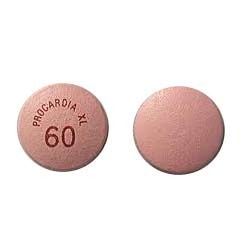
 Procardia (nifedipine) is one of the most popular prescription drugs to treat high blood pressure and angina.
Some of the more common medication side effects are dizziness, nausea, joint pain and headaches. While unpleasant, none of those side effects is life-threatening.
However, Procardia use may also result in a rare side effect called Stevens Johnson Syndrome (SJS), which is painful and possibly fatal.
What is Stevens Johnson Syndrome?
As with many illnesses, Stevens Johnson Syndrome starts with flu-like symptoms: fever, sore throat, burning eyes, fatigue and a cough. After several days of these symptoms, a red or purplish rash begins, accompanied by:
- A swollen face
- Swollen tongue
- Hives
- Skin pain
- Blisters o the skin and mucous membranes of mouth, nose, eyes and genitals
- Skin shedding
Stevens Johnson Syndrome is so painful that oftentimes patients are placed in a medically-induced coma.
Increased Risk of SJS
Research shows certain factors can increase a person’s risk of developing Stevens Johnson Syndrome:
- Viral infections including herpes zoster, herpes simplex, viral pneumonia, HIV or hepatitis may increase the risk of Stevens Johnson Syndrome.
- A weakened immune system due to autoimmune diseases such as lupus, HIV/AIDS or an organ transplant can make a person more susceptible to SJS.
- If a person has had a previous bout of medication-related Stevens Johnson Syndrome, that patient is at a higher risk of a recurrence.
- If anyone in a person’s immediate family has had Stevens Johnson Syndrome, other family members are at a heightened risk.
- Scientists have identified a gene, HLA-B 1502, that increases a person’s risk of SJS. Chinese, Southeast Asian and Indian people are more apt to have this gene.
Additionally, a slew of prescription and even over-the-counter medications are reportedly linked to the onset of Stevens Johnson Syndrome. One of these medications is Procardia.
Procardia Users and SJS
Stevens Johnson Syndrome in Procardia patients is rare because fortunately, this painful condition itself is very rare. Of all medications taken, the average percentage where Stevens Johnson Syndrome is reported as a complication is 0.0810%.
The percentage of Procardia patients who have reported Stevens Johnson Syndrome as a side effect is 0.2462%.
These figures from the FDA show that Procardia possibly has a greater risk of Stevens Johnson Syndrome than many other medications.
From January 2004 through October 2012, six patients taking Procardia developed Stevens Johnson Syndrome, according to the FDA.
The following statement is from the FDA regarding Procardia and Stevens Johnson Syndrome:
“In post-marketing experience, there have been rare reports of exfoliative dermatitis caused by nifedipine. There have been rare reports of exfoliative or bullous skin adverse events (such as erythema multiforme, Stevens Johnson Syndrome, and toxic epidermal necrolysis) and photosensitivity reactions.”
There is no way to predict which patients will develop SJS as a drug reaction to Procardia or to any other drug.
Help for Sufferers
Survivors of Stevens Johnson Syndrome might have to live with discolored, bumpy skin; malformed toenails and fingernails; scars; and hair loss. For the least fortunate, SJS can result in death.
While Stevens Johnson Syndrome is a rare reaction, it is still a very real and horrific experience for those who develop the condition.
SJS survivors who believe their condition was caused by Procardia medication side effects could benefit from a class action lawsuit or individual lawsuit that could compensate for pain and suffering, hospitalization, ongoing medical needs, lost wages and more.
Do YOU have a legal claim? Fill out the form on this page now for a free, immediate, and confidential case evaluation. The Stevens Johnson Syndrome attorneys who work with Top Class Actions will contact you if you qualify to let you know if an individual lawsuit or class action lawsuit is best for you. [In general, SJS lawsuits are filed individually by each plaintiff and are not class actions.] Hurry — statutes of limitations may apply.
ATTORNEY ADVERTISING
Top Class Actions is a Proud Member of the American Bar Association
LEGAL INFORMATION IS NOT LEGAL ADVICE
Top Class Actions Legal Statement
©2008 – 2026 Top Class Actions® LLC
Various Trademarks held by their respective owners
This website is not intended for viewing or usage by European Union citizens.
Get Help – It’s Free
Help for Victims of Stevens Johnson Syndrome
If you or a loved one were diagnosed with Stevens Johnson Syndrome (SJS) or toxic epidermal necrolysis (TEN) after taking a prescribed or over-the-counter medication, you may be eligible to take legal action against the drug’s manufacturer. Filing an SJS lawsuit or class action lawsuit may help you obtain compensation for medical bills, pain and suffering, and other damages. Obtain a free and confidential review of your case by filling out the form below.
An attorney will contact you if you qualify to discuss the details of your potential case at no charge to you.
Oops! We could not locate your form.