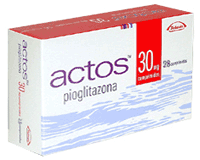
 Maine plaintiff Patricia Blanchette is suing Takeda Pharmaceuticals and Eli Lilly & Co. for the wrongful death of her husband James Blanchette, alleging that in direct result of ingesting the companies’ type-2 diabetes treatment drug Actos, her husband developed and ultimately died of bladder cancer.
Mr. Blanchette was first prescribed Actos in 2009 to treat his type-2 diabetes symptoms. However, he was later diagnosed with pancreatic cancer, which was caused by medication, the Actos lawsuit claims. In preparation for his death, Mrs. Blanchette officially become his appointed representative to his estate on Jan. 23, 2014. Mr. Blanchette was diagnosed with bladder cancer in June 2010, and later died from the condition on April 30, 2012.
Mrs. Blanchette is filing this Actos lawsuit due to her husband’s injuries, but also because of her own loss of consortium in her marriage. There were no warnings or indications of bladder cancer on the drug’s label, nor had either drug maker made any effort to warn the Blanchettes of this possible event, the Actos lawsuit claims.
Mrs. Blanchette also alleges that Takeda had taken active measures to hide this side effect to preserve the drug’s profit margins, when the company’s responsibility should have been to her husband and other patients. She insists that if her husband had known about the possibility of bladder cancer, then he never would have taken the drug.
So for being directly responsible for manufacturing, marketing, distributing, and selling a dangerous drug, Blanchette is suing Takeda Pharmaceuticals and its American conglomerate, Eli Lilly & Co. The charges include negligence, false advertising, concealing information, and misrepresenting a product.
Overview of Actos Complications
Actos was jointly launched in the United States by Takeda Pharmaceuticals and its American partner Eli Lilly & Co. in 1999. The drug was approved by the U.S. Food and Drug Administration (FDA) to treat the symptoms of type-2 diabetes, and was thought to be a successful venture at its launch. Actos is part of a class of diabetes drugs known as insulin-sensitizing diabetes agent known as thiazolidinediones (TZDs). These drugs only work in the presence of insulin, and are therefore, ineffective against type-1 diabetes. Allegedly, before the drug gained approval, pre-clinical trials indicated that the drug could cause potential harm to patients, but Takeda had taken active measures to conceal this fact.
Along with cancerous cysts and cell development in lab mice, the animal subjects also exhibited potential cardiac damage after being exposed to Actos. Since the drug’s release, numerous studies have been conducted to observe whether or not Actos causes severe side effects. Among these side effects, the one that has gained the most notoriety is bladder cancer. Each of the studies found that the subjects showed a much higher likelihood of developing bladder cancer, compared to other treatment drugs.
An official warning regarding this matter was released by the FDA on Sept. 17, 2010, saying that the FDA was reviewing the safety of Actos, by reviewing the data of a ten-year long epidemiological study, which was conducted by Kaiser Permanente.
The purpose of the study was to evaluate the association between Actos and bladder cancer. In observing the data five years into the study, the FDA found an undeniable increase of bladder cancer occurrences. Despite this and other studies, officials at Takeda Pharmaceuticals insist that their drug does not cause bladder cancer, and do not include the risk on the drug’s label.
The Actos lawsuit is Patricia Blanchette v. Takeda Pharmaceuticals America Inc., Case No. 6-14-cv-00819-RFD-PJH, in the U.S. District Court for the Western District of Louisiana. It has been added to the Actos mass tort, In Re: Actos Product Liability Litigation, MDL No. 2299, which is currently underway in the same court.
In general, Actos bladder cancer lawsuits are filed individually by each plaintiff and are not class actions.
Do YOU have a legal claim? Fill out the form on this page now for a free, immediate, and confidential case evaluation. The attorneys who work with Top Class Actions will contact you if you qualify to let you know if an individual lawsuit or class action lawsuit is best for you. Hurry — statutes of limitations may apply.
ATTORNEY ADVERTISING
Top Class Actions is a Proud Member of the American Bar Association
LEGAL INFORMATION IS NOT LEGAL ADVICE
Top Class Actions Legal Statement
©2008 – 2026 Top Class Actions® LLC
Various Trademarks held by their respective owners
This website is not intended for viewing or usage by European Union citizens.
Get Help – It’s Free
Join a Free Actos Class Action Lawsuit Investigation
If you or someone you know took Actos and were diagnosed with bladder cancer or bladder tumors, legal options are available. See if you qualify by filling out the short form below.
An attorney will contact you if you qualify to discuss the details of your potential case at no charge to you.
Oops! We could not locate your form.