
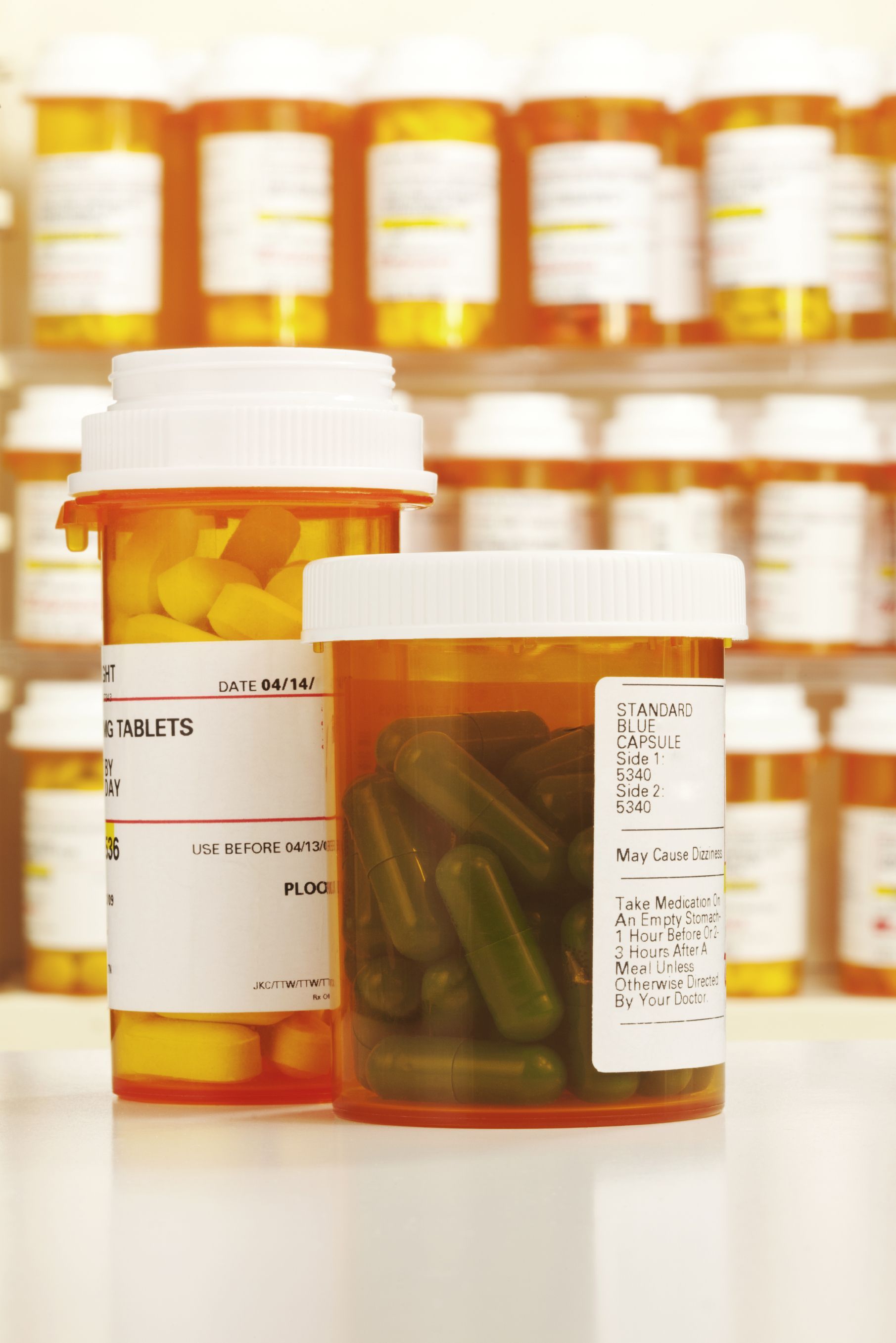
 Diabetes is a disease marked by the inability of the body either to produce insulin or to respond to it.
Insulin is the body’s hormone used to regulate the amount of glucose in the body. Persons who don’t produce enough insulin may have type-1 diabetes, and those whose bodies don’t respond to insulin like they should may have type-2 diabetes.
According to the Centers for Disease Control and Prevention, or CDC, more than 29 million Americans have diabetes and 1 in 4 don’t know.
Moreover, on May 15, 2015, the FDA, or Food and Drug Administration announced that certain type-2 diabetes medications, such as those reported as Jardiance complications, may increase a patient’s risk to kidney failure and ketoacidosis.
Ketoacidosis occurs when there is a buildup of acids in the blood. It can happen when the blood sugar level is too high and when the body doesn’t have enough insulin. When not enough insulin is present in the body, the body will instead use fat for fuel. But by doing so, the burning of fat makes acids called ketones. And if these are accumulated, ketones become built up in the blood.
Kidney failure, in contrast, is the condition where the kidneys can’t suddenly filter any waste from the bloodstream. Kidney failure is the last and most severe stage of chronic kidney disease. As a result, kidney failure is simultaneously termed as being end-stage renal disease, or ESRD.
These side effects are associated with a class of drugs called sodium-glucose cotransporter-2 (SGLT2) inhibitors. Jardiance, also known as empagliflozin, is one of several drugs in this class.
Drugs like Jardiance work by blocking blood glucose from re-entering the bloodstream in the kidneys. The excess glucose then gets excreted through the urine.
Jardiance complications can be similar to those reported to the FDA’s Adverse Event Reporting System in association with SGLT2 inhibitors. The agency says it received reports of 20 cases of diabetic ketoacidosis in patients treated with SGLT2 inhibitors between March 2013 and June 2014.
Ketoacidosis in patients who take SGLT2 inhibitors like Jardiance tends to occur in the presence of lower blood glucose levels. In this way, Jardiance complications can differ from typical diabetec ketoacidosis, in which the patient’s blood sugar is usually high.
Consequently, the adverse effect of taking the drug can only further complicate the diagnosis.
The FDA says it continues to receive reports of patients having suffered from diabetic ketoacidosis from taking the SGLT-2 inhibitors.
Symptoms of diabetic ketoacidosis due to Jardiance complications may include: unusual levels of sleepiness or fatigue, vomiting, nausea, confusion, abdominal pain, and difficulty breathing.
Do YOU have a legal claim? Fill out the form on this page now for a free, immediate, and confidential case evaluation. The attorneys who work with Top Class Actions will contact you if you qualify to let you know if an individual lawsuit or class action lawsuit is best for you. [In general, Januvia, Janumet, Byetta, or Victoza lawsuits are filed individually by each plaintiff and are not class actions.] Hurry — statutes of limitations may apply.
ATTORNEY ADVERTISING
Top Class Actions is a Proud Member of the American Bar Association
LEGAL INFORMATION IS NOT LEGAL ADVICE
Top Class Actions Legal Statement
©2008 – 2026 Top Class Actions® LLC
Various Trademarks held by their respective owners
This website is not intended for viewing or usage by European Union citizens.
Get Help – It’s Free
Join a Free Januvia, Janumet, Byetta, Victoza Cancer Class Action Lawsuit Investigation
If you or your loved one took Januvia, Victoza, Janumet or Byetta and were diagnosed with pancreatic cancer or thyroid cancer, you have a legal claim. See if you qualify by filling out the short form below.
An attorney will contact you if you qualify to discuss the details of your potential case at no charge to you.
Oops! We could not locate your form.












For the past 3 years I have had abdiminal pain and excessive thirst. I am or was taking jardiance. 2 years ago started a series of 3 hospital stays with ketoacidosis and hard problems each time with a number of days in the ICU. This last time as of November 2025 12 days were spent in the icu and a total of 6 weeks recovering from ketoacidosis and afib.