
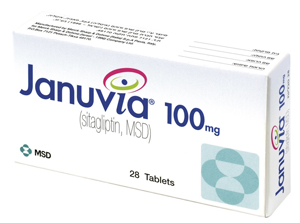
 A man who took a variety of type-2 diabetes medications alleges in a new Januvia lawsuit that he was diagnosed with pancreatitis, a precursor for pancreatic cancer. The plaintiff, Richard Russo, alleges that he would not have taken the diabetes medication if he knew about this increased risk.
When a person develops insulin sensitivity as part of the condition diabetes, his or her pancreas needs to excrete more of it. Januvia, Byetta and Victoza, made variously by Merck, Eli Lilly, Amylin Pharmaceuticals and others, work by increasing the size of the organ. However, in some cases, this can lead to inflammation, also known as acute pancreatitis.
The older medications launched before 2010 do not carry warnings regarding the prospect of pancreatitis, which can lead to Januvia pancreatic cancer side effects, as well as similar risks for thyroid cancer with some therapies. This lack of warning has led to a Januvia class action lawsuit investigation and hundreds of personal injury lawsuits filed by patients who took Januvia, Byetta, Victoza, and related statins.
Russo’s Januvia lawsuit argues that the drug labeling is “simply inadequate” because the earlier drugs do not carry the warnings of thyroid and pancreatic concerns. Moreover, the two classes of drugs “still lack any benefit sufficient to tolerate the extreme risk” they pose, according to the lawsuit. It also points to the disparity between Victoza and the older medications and how the companies warn of issues like pancreatitis and other Januvia side effects.
A 2011 review of the FDA’s Adverse Event Reporting System found that pancreatitis occurred between 6 and 10 times more often than in patients using other treatments for their type-2 diabetes. Januvia pancreatic cancer side effects also occur at a statistically significant rate compared to alternative treatments including metformin, as inflammation is a common risk factor for cancer.
Due to the high number of Januvia lawsuits that have been filed, many of the lawsuits have been grouped into multidistrict litigation (MDL). Like a class action lawsuit, an MDL involves groups of plaintiffs with similar injuries. However, each lawsuit involved in the Januvia MDL is litigated separately, while a Januvia class action lawsuit is litigated as one lawsuit. In a class action lawsuit, the Class Members share compensation if it is awarded. In an MDL, plaintiffs retain their right to an individual trial based on the unique facts of their case. If damages are awarded, the amount will be based on the plaintiff’s unique circumstances.
The Januvia personal injury lawsuit is Richard Russo, et al. v. Merck Sharp & Dohme Corp., et al., Case No. 13-cv-06989, in the U.S. District Court for the Eastern District of Pennsylvania.
The Januvia MDL, where hundreds of similar Januvia lawsuits and Byetta lawsuits are filed, is In re: Incretin-Based Therapies Products Liabilities Litigation, MDL No. 2452, in the U.S. District Court for the Southern District of California.
In general, Januvia pancreatic cancer lawsuits are filed individually by each plaintiff and are not class actions.
Do YOU have a legal claim? Fill out the form on this page now for a free, immediate, and confidential case evaluation. The attorneys who work with Top Class Actions will contact you if you qualify to let you know if an individual lawsuit or class action lawsuit is best for you. Hurry — statutes of limitations may apply.
ATTORNEY ADVERTISING
Top Class Actions is a Proud Member of the American Bar Association
LEGAL INFORMATION IS NOT LEGAL ADVICE
Top Class Actions Legal Statement
©2008 – 2026 Top Class Actions® LLC
Various Trademarks held by their respective owners
This website is not intended for viewing or usage by European Union citizens.
Get Help – It’s Free
Join a Free Januvia, Janumet, Byetta, Victoza Cancer Class Action Lawsuit Investigation
If you or your loved one took Januvia, Victoza, Janumet or Byetta and were diagnosed with pancreatic cancer or thyroid cancer, you have a legal claim. See if you qualify by filling out the short form below.
An attorney will contact you if you qualify to discuss the details of your potential case at no charge to you.
Oops! We could not locate your form.











One thought on Januvia Lawsuit Says the Drug Caused Pancreatitis