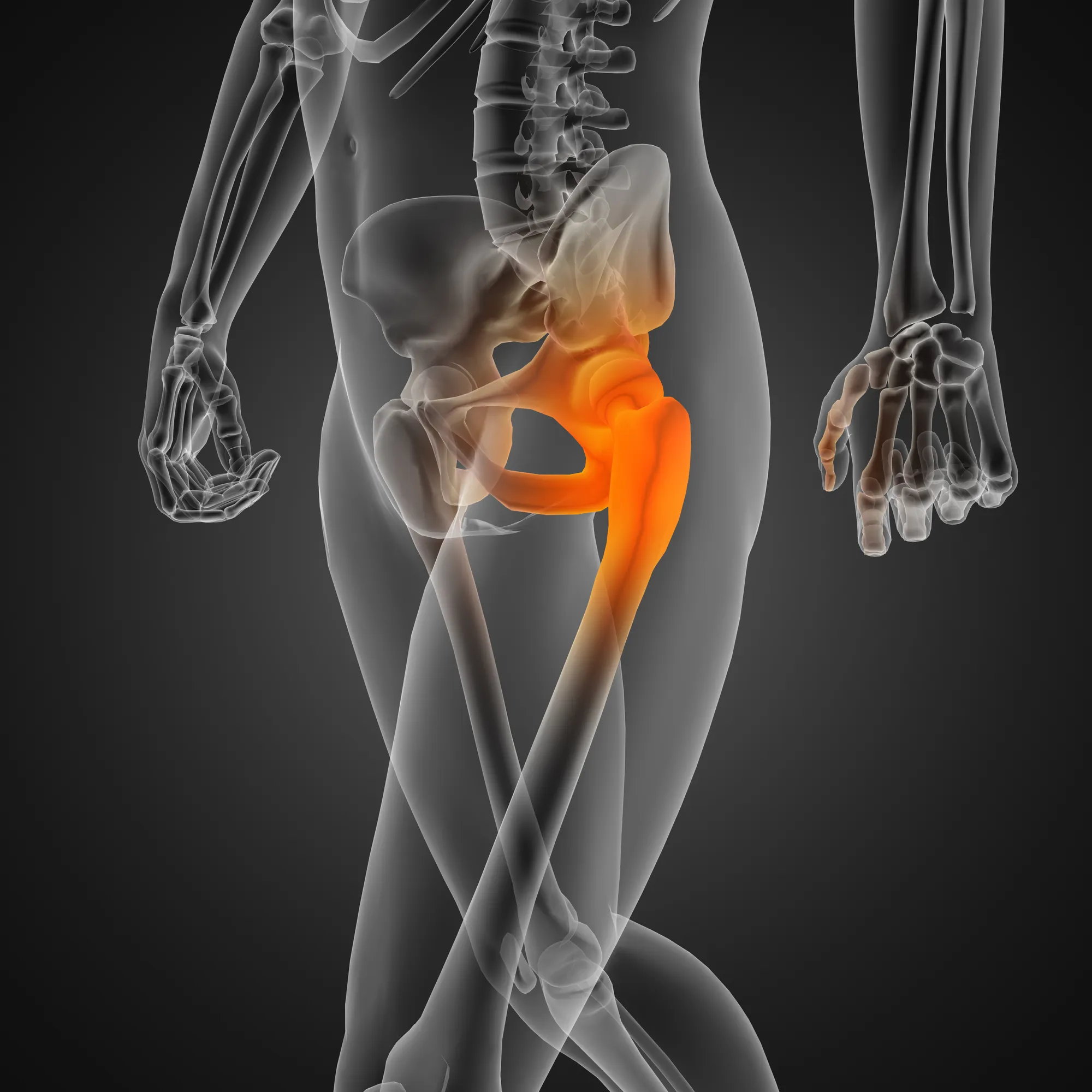
 When a patient undergoes a hip replacement surgery, he or she expects to have more functionality in their joint.
However, there have been reports of defective Stryker hip implants which have resulted in sickness and extreme pain for the affected patient.
Stryker Corporation, the manufacturer of widely used hip joint replacement systems, has been faced with recalls of previously used models and now a recall of the LFIT defective Stryker hip implants.
In 2012, the company recalled its defective Stryker hip implants including the Rejuvenate Modular and ABG II Modular-Neck Hip Stems. Stryker then ceased all production and sales of these defective Stryker hip implants.
Three months previous to the recall, Stryker issued an “Urgent Field Safety Notice” to hospitals and surgeons. The notice drew attention to the safety and health risks associated with the hip replacement systems.
These risks included “fretting,” or a shedding of tiny particles of metal into the patients surrounding tissues.
These hip implants are made of chromium and cobalt and are coated with titanium.
These metal particles can also find their way into the bloodstream and bones of the patient, and when this metal affects the patient adversely, the condition is called metallosis.
Another problem with the defective Stryker hip implants is called Adverse Local Tissue Reaction (ALTR). ALTR is a condition in which complications arise from inflammation in the tissue in and around the implant.
More seriously, a condition called osteolysis may also occur. Large amounts of metal debris in and around the joint may lead to bone loss, or osteolysis, and can require additional surgeries.
However, more recently, additional defective Stryker hip implants have been in the spotlight.
On September 10, 2015, Health Canada recalled Stryker’s LFIT Anatomic CoCr V40 femoral heads which are used in the Stryker Accolade hip implant system.
Less than one year later, Health Canada issued a second recall noting that some of the Stryker devices had failed.
The notice reads, “Stryker has received higher than expected complaints of taper lock failure for specific lots of certain sizes of LFIT Anatomic CoCRrV40TM Femoral Heads manufactured prior to 2011.”
In August 2016, Stryker issued a recall letter for the LFIT Anatomic CoCRrV40TM Femoral Heads manufactured between 2001 and 2011. They cited a much higher than normal expected series of product failures.
According to the medical device company, the potential hazards with the defective Stryker hip implants include:
- Disassociation of femoral head from hip stem
- Fractured hip stem trunnion
- Excessive metallic debris
- Insufficient ROM
- Insufficient soft tissue tension
- Noise
- Loss of implant: bone fixation strength
- Excessive wear debris (polymeric)
- Implant construct with a shortened neck length
If you or someone you love has experienced adverse medical events because of defective Stryker hip implants, you may be entitled to legal compensation.
Do YOU have a legal claim? Fill out the form on this page now for a free, immediate, and confidential case evaluation. The hip implant attorneys who work with Top Class Actions will contact you if you qualify to let you know if an individual lawsuit or class action lawsuit is best for you. [In general, metal hip implant lawsuits are filed individually by each plaintiff and are not class actions.] Hurry — statutes of limitations may apply.
ATTORNEY ADVERTISING
Top Class Actions is a Proud Member of the American Bar Association
LEGAL INFORMATION IS NOT LEGAL ADVICE
Top Class Actions Legal Statement
©2008 – 2026 Top Class Actions® LLC
Various Trademarks held by their respective owners
This website is not intended for viewing or usage by European Union citizens.
Get Help – It’s Free
Join a Free Stryker Metal Hip Replacement Class Action Lawsuit Investigation
An attorney will contact you if you qualify to discuss the details of your potential case at no charge to you.
Please Note: If you want to participate in this investigation, it is imperative that you reply to the law firm if they call or email you. Failing to do so may result in you not getting signed up as a client, if you qualify, or getting you dropped as a client.
Email any problems with this form to [email protected].
Oops! We could not locate your form.