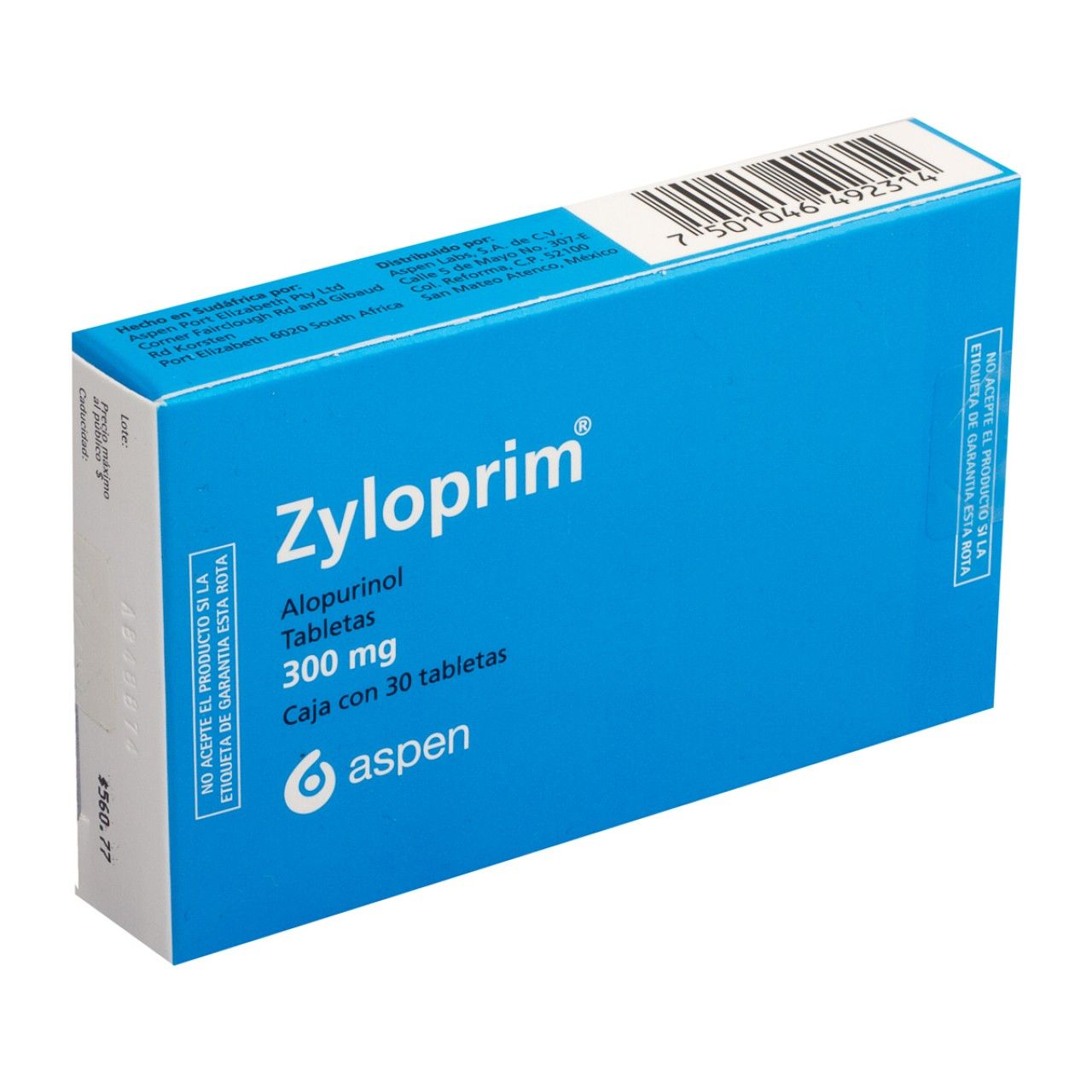
 Developing a Zyloprim rash after taking the popular allopurinol drug may be indicative of the dangerous Stevens Johnson Syndrome.
Zyloprim (also known by its generic name, allopurinol) is a popular medication used to treat chronic gout.
Chronic gout causes high levels of uric acid in a patient’s blood, known as hyperuricemia, which can be dangerous.
Zyloprim is one of several drugs in a class known as xanthine oxidase inhibitors. As the class name suggests, these drugs inhibit the activity of the xanthine oxidase enzyme so as to reduce the uric acid production of the body.
Xanthine oxidase inhibitors like Zyloprim are most commonly used to treat symptoms of chronic gout, but can also be prescribed to treat certain kinds of kidney stones.
Zyloprim may even be used on chemotherapy patients to prevent increases in uric acid levels.
Any drug will come with its mild side effects, such as nausea or a rash, most of which will go away on their own without further treatment.
However, in some cases, a Zyloprim rash may indicate a much more serious threat.
Zyloprim Rash May Lead to SJS
While a Zyloprim rash may be mild and go away on its own, it may instead progress into the life-threatening side effect called Stevens Johnson Syndrome, or SJS.
Stevens Johnson Syndrome is a rare skin reaction so severe that its effects resemble a serious burn. (Indeed, Stevens Johnson Syndrome is often treated in a hospital’s burn unit because of these similarities as the skin blisters and peels.)
It is important that patients recognize SJS symptoms and seek medical treatment as soon as possible, because SJS is a life-threatening condition.
SJS symptoms include:
- facial swelling
- tongue swelling
- hives
- skin pain
- a red or purple skin rash, spreading within hours to days
- blisters on skin, mouth, nose, and/or eyes
- shedding of skin
The more severe form of SJS is called TEN, which stands for Toxic Epidermal Necrolysis. While patients with SJS are covered with severe, blistering rashes on 30 percent or less of their skin, patients diagnosed with TEN have these painful blisters on more than 30 percent of their body.
TEN has a higher mortality rate than SJS – approximately 40 percent of TEN diagnoses result in fatalities.
If not fatal, these conditions can still lead to major eye problems, internal organ damage, and permanent skin damage. Some surviving SJS and TEN patients require major skin grafting to properly heal. Cases of SJS and TEN can result in recovery periods from days to months.
SJS is associated with a number of medications, including Zyloprim. However, the American Journal of Medicine published a new study suggesting that Zyloprim SJS side effects may be more common than SJS effects associated with other drugs.
A 2008 multinational study published in the Journal of the American Academy of Dermatology showed that in both Europe and Israel, Zyloprim users made up around 18 percent of all SJS and TEN cases.
Zyloprim SJS Side Effects Lawsuits
Severe Steven Johnson Syndrome reactions are relatively uncommon, but they can be fatal, and are at the very least life-altering.
Some patients respond by filing Steven Johnson Syndrome lawsuits over their pain and suffering, as well as the medical and financial costs that are inevitably incurred by this severe skin reaction.
Zyloprim SJS lawsuits allege that drug manufacturers failed to adequately warn the public about the risk of severe Zyloprim rash side effects associated with their drugs.
Although filing a lawsuit cannot make up for a patient’s physical pain and suffering from Zyloprim SJS side effects, plaintiffs involved in SJS lawsuits may be able to to recover medical expenses and lost wages.
Do YOU have a legal claim? Fill out the form on this page now for a free, immediate, and confidential case evaluation. The Stevens Johnson Syndrome attorneys who work with Top Class Actions will contact you if you qualify to let you know if an individual lawsuit or class action lawsuit is best for you. [In general, SJS lawsuits are filed individually by each plaintiff and are not class actions.] Hurry — statutes of limitations may apply.
ATTORNEY ADVERTISING
Top Class Actions is a Proud Member of the American Bar Association
LEGAL INFORMATION IS NOT LEGAL ADVICE
Top Class Actions Legal Statement
©2008 – 2026 Top Class Actions® LLC
Various Trademarks held by their respective owners
This website is not intended for viewing or usage by European Union citizens.
Get Help – It’s Free
Help for Victims of Stevens Johnson Syndrome
If you or a loved one were diagnosed with Stevens Johnson Syndrome (SJS) or toxic epidermal necrolysis (TEN) after taking a prescribed or over-the-counter medication, you may be eligible to take legal action against the drug’s manufacturer. Filing an SJS lawsuit or class action lawsuit may help you obtain compensation for medical bills, pain and suffering, and other damages. Obtain a free and confidential review of your case by filling out the form below.
An attorney will contact you if you qualify to discuss the details of your potential case at no charge to you.
Please Note: If you want to participate in this investigation, it is imperative that you reply to the law firm if they call or email you. Failing to do so may result in you not getting signed up as a client, if you qualify, or getting you dropped as a client.
Oops! We could not locate your form.