

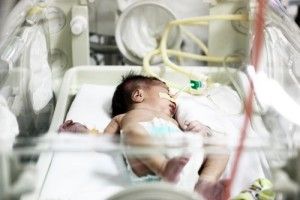
 Lexapro is an antidepressant that has been dogged by allegations the drug may cause birth defects and other side effects.
But the risk of birth defects associated with SSRIs like Lexapro is controversial. Lexapro is an antidepressant first approved in 2002. It belongs to the SSRI class of antidepressants.
SSRIs work by slowing down the process of reabsorbing serotonin, giving it more of a chance to stimulate neurons in the brain that are less active in people with depression. But studies suggest that Lexapro and related drugs may cause birth defects.
In 2006, the FDA issued a statement advising the public that the risk of birth defects must be considered when prescribing Lexapro and related drugs during pregnancy.
The FDA stated that the risk of relapsing depression complicated the decision to stop taking complicated the decision to use these drugs, according to data published in the Journal of the American Medical Association in February of that year.
They also stated that a second study, published the same month in the New England Journal of Medicine found that mothers who took SSRIs like Lexapro were six times more likely to have children with birth defects than their peers. This study found an increased risk in persistent pulmonary hypertension of the newborn (PPHN), a birth defect of the heart and lungs.
The FDA’s evaluation stated that the New England Journal of Medicine study was too small to draw definitive conclusions, but coupled with other evidence was enough to draw the agency’s scrutiny.
In 2011, the FDA followed up on the preliminary statement of 2006 with a Drug Safety Communication. The FDA said at the time that the data was “conflicting,” meaning that some studies suggested an increased risk of SSRIs like Lexapro and others did not.
Because of conflicting results, the FDA stated that the risk is unknown, and asked for updated labeling to advise patients of the possible risk of birth defects. The FDA puts Lexapro in category “C” meaning there is not enough evidence to conclusively prove it causes birth defects in humans, though animal studies suggest there is a risk.
Medical researchers and other types of scientists are trained to couch their findings, and concede that their study design was insufficient to conclusively confirm or deny the link. However, the legal system uses a different standard of evidence than researchers, and dozens of Lexapro lawsuits have already been filed in the United States, arguing that the evidence of birth defects is stronger than the FDA acknowledges.
Lexapro lawsuits have alleged that the makers of the drug were aware, or reasonably should have been aware, that there was allegedly enough reason to believe that Lexapro could cause serious birth defects like PPHN. Lexapro lawsuits further allege that drug makers continued to aggressively market SSRIs like Lexapro in spite of the risk.
Do YOU have a legal claim? Fill out the form on this page now for a free, immediate, and confidential case evaluation. The birth defect attorneys who work with Top Class Actions will contact you if you qualify to let you know if an individual lawsuit or class action lawsuit is best for you. [In general, birth defect lawsuits are filed individually by each plaintiff and are not class actions.] Hurry — statutes of limitations may apply.
ATTORNEY ADVERTISING
Top Class Actions is a Proud Member of the American Bar Association
LEGAL INFORMATION IS NOT LEGAL ADVICE
Top Class Actions Legal Statement
©2008 – 2026 Top Class Actions® LLC
Various Trademarks held by their respective owners
This website is not intended for viewing or usage by European Union citizens.
Get Help – It’s Free
Join a Free Birth Defect Lawsuit Investigation
If you or a loved one took Zoloft, Prozac, Lexapro, Effexor, Celexa, Cymbalta or Depakote during pregnancy and gave birth to a child with a congenital defect, you may have a legal claim against the drug’s manufacturer. Find out if you qualify to pursue compensation for your child’s medical expenses, pain and suffering, and other damages by filling out the form below now.
An attorney will contact you if you qualify to discuss the details of your potential case.
Oops! We could not locate your form.












I’m 2012 I gave birth to my son who was born with club foot during that time I was taking Lexapro. I’d like to know if I have a case.