 Mississippi plaintiff Francis E. is suing Stryker Corporation for the injuries the plaintiff allegedly sustained from the defendant’s metal-on-metal hip implant, the Stryker Rejuvenate modular hip stem. Francis claims that in direct result of the defendant’s defective metal hip implant, the plaintiff suffered debilitating injuries and may need to have the device removed.
Francis had opted to have the defendant’s product implanted in the left hip on Feb. 17, 2010, in the hopes of resolving the arthritic pain and limited mobility the plaintiff had been suffering. Ideally, Francis would have been allowed to maintain a healthier and active lifestyle with the Stryker Rejuvenate metal hip implant without suffering the withering conditions of bone pain and degeneration of arthritis.
Instead, the plaintiff has reportedly suffered and continues to suffer numerous side effects from the Rejuvenate metal hip implant including: extreme pain, infection, and metallosis. Metallosis, or blood-metal poisoning, is a condition where the metal levels in the blood are elevated to dangerous heights, which can cause numerous health complications. Francis may be required to have the device removed in the near future, a hip revision procedure which is more dangerous and complicated than the initial hip implantation procedure.
Along with the hospital treatment costs, Francis has been suffering financially as much as physically, as the hospital bills continuing to pile on. According to the hip implant lawsuit, at no point in time before or after the metal hip implant insertion did Stryker warn the plaintiff or the performing surgeons of the risks associated with the Rejuvenate hip implant. Additionally, there were reportedly no warnings or indications of these complications on the Rejuvenate warning label, nor were there any special instructions for the surgeon.
Francis is filing a metal hip implant lawsuit against Stryker Corporation for failing in its to duty to protect their consumer from the defects of their medical product. The plaintiff’s lawyers state that Stryker had the responsibility to warn their client and other metal hip implant patients of all side effects of their products, because they rely on the accuracy of the given information. Furthermore, the plaintiff’s lawyers claim that their client never would have chosen to use the Rejuvenate system if she had known about the risk of metallosis.
Francis is suing Stryker Corporation for being allegedly responsible for manufacturing, selling, distributing, and marketing a dangerous product. The charges include negligence, false advertising, concealing information, and misrepresenting a product.
This Metal-on-Metal Hip Implant Lawsuit isIn re: Stryker Rejuvenate and ABG II Hip Implant Products Liability Litigation, MDL No. 2441, in the U.S. District Court for the District of Minnesota.
Overview of Metal Hip Implant Complications
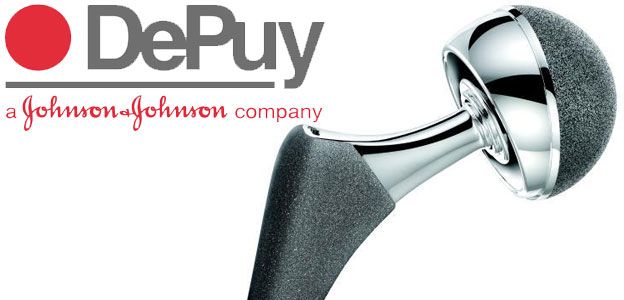
Typically, hip replacement products are made of either ceramic, plastic, or metal prosthetic parts that are meant to replace damaged or weakened pelvic bones of the patients. Traditionally, plastic and ceramic models have been available on the medical device market for generations, but many complained that they were not particularly reliable and had to be replaced every few years. Starting in the 1970s, hip implants started using metal components to see if the durability and longevity of the devices could be increased. Eventually, pharmaceutical companies started making their own metal-on-metal hip implants, which became widely popular in the patient community.
Not only were they advertised to last longer and have greater durability that plastic or ceramic hip implants, but many of these metal-on-metal hip replacement product could be customized to the frames of the patients. Additionally, metal hip implants became popular among younger patients because the devices could take strenuous activities like exercise or running. Unfortunately, patients started reporting severe complications after having the devices implanted, including infection, the formation of pseudotumors, device failure, joint pain, and metallosis. Medical experts explain that these hip implant complications arise due to the ball-and-socket joints of the devices interacting, which caused metal ions to be shed into the patient’s bloodstream.
These metal hip implant side effects were not mentioned on the product’s labels, which has led to public scrutiny against Stryker Corporation and other metal hip implant manufacturers. Many experts believe that the problems stem from the fact that most metal hip implants were approved under the FDA 510(k) plan, which allowed products to go to market without pre-clinical testing, as long as the product proves to work at an equivalent level with similar product already on the market. As a result, many patients like Francis are now pursuing metal hip implant lawsuits against Stryker and other hip implant companies.
Do YOU have a legal claim? Fill out the form on this page now for a free, immediate, and confidential case evaluation. The hip implant attorneys who work with Top Class Actions will contact you if you qualify to let you know if an individual lawsuit or class action lawsuit is best for you. [In general, metal hip implant lawsuits are filed individually by each plaintiff and are not class actions.] Hurry — statutes of limitations may apply.
ATTORNEY ADVERTISING
Top Class Actions is a Proud Member of the American Bar Association
LEGAL INFORMATION IS NOT LEGAL ADVICE
Top Class Actions Legal Statement
©2008 – 2026 Top Class Actions® LLC
Various Trademarks held by their respective owners
This website is not intended for viewing or usage by European Union citizens.
Get Help – It’s Free
Join a Free Metal Hip Replacement Class Action Lawsuit Investigation
If you or a loved one had a metal-on-metal hip implant that failed or caused serious complications, you may be entitled to compensation. Hip replacement lawsuits are being filed now against multiple companies, including Stryker, Biomet, DePuy, Zimmer, and Wright. See if you qualify to take legal action by filling out the form below.
An attorney will contact you if you qualify to discuss the details of your potential case at no charge to you.
Oops! We could not locate your form.