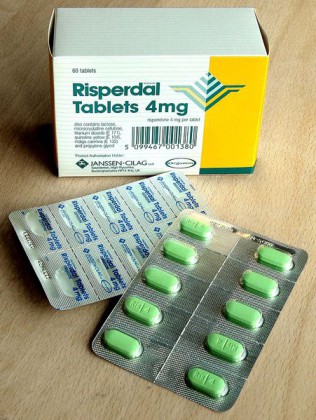
 Risperdal (risperidone) is an atypical antipsychotic medication that has been linked to several serious side effects, including the development of abnormally large breasts in boys and young men.
This condition is known as Risperdal gynecomastia, and the males who suffer from it inexplicably gain enough excess glandular tissue to create breasts similar to female breasts.
Growths of glandular tissue develop as small lumps underneath the nipple, and can gradually become tender and grow larger over time. Eventually, these developments of excess tissue can become the size of naturally occurring female breasts.
While Risperdal gynecomastia most often occurs in both breasts, the condition can affect just one. Even when both breasts are affected by gynecomastia, each can be affected at a different rate and at a different amount. For instance, one breast can grow to be visibly larger than the other.
For a condition that already places a great deal of social stigma on a patient, this possibility makes that stigma even worse. For some men who have been affected by Risperdal gynecomastia, males actually produce breast milk.
History of Risperdal and Gynecomastia Complications
Risperdal was approved by the Food and Drug Administration (FDA) to treat various mental or mood disorders. The disorders it was approved to treat include schizophrenia, bipolar mania, and autism.
Risperdal is sometimes used as an off-label treatment for other disorders, such as attention deficit hyperactivity disorder (ADHD), sleep disorders, anxiety disorders, and depression.
Risperdal medication is sold by Johnson & Johnson, and is prescribed to help people with these disorders think clearly and take part in normal, everyday life. Atypical antipsychotics, such as Risperdal, work by helping to restore the balance of certain natural substances in the brain.
Risperdal is classified as a prolactin-raising antipsychotic. Prolactin is a hormone which controls a male’s sex drive, and in females, it stimulates breast development and sustains lactation, or breastfeeding. Prolactin is controlled by the body’s production of dopamine.
Risperdal is used to block dopamine in order to treat various diseases, and this blockage in turn increases the levels of prolactin and can cause hyperprolactinemia. Hyperprolactinemia can, in children and adolescents, causes gynecomastia.
Hyperprolactinemia is a condition that occurs more commonly with Risperdal than other antipsychotics. According to an article from the Journal of Clinical Psychiatry, hyperprolactinemia (or elevated prolactin levels) may occur in more than 90 percent of Risperdal users.
This effect is known as Risperdal-induced hyperprolactinemia. This is a condition that persists throughout Risperdal therapy, and often continues for some time even after discontinuing the medication.
For hundreds of boys and young men who took Risperdal, the breasts they have developed as a Risperdal side effect became such an issue in their lives that they were forced to go through surgery in order to have the excess glandular tissue removed.
If you or someone you know was negatively impacted by Risperdal, or is a male who has developed excessive breast tissues due to taking Risperdal, you may be able to file a lawsuit against Johnson and Johnson for failure to adequately warn about Risperdal gynecomastia as a potential side effect of the drug.
Do YOU have a legal claim? Fill out the form on this page now for a free, immediate, and confidential case evaluation. The Risperdal attorneys who work with Top Class Actions will contact you if you qualify to let you know if an individual lawsuit or Risperdal class action lawsuit is best for you. [In general, Risperdal lawsuits are filed individually by each plaintiff and are not class actions.] Hurry — statutes of limitations may apply.
ATTORNEY ADVERTISING
Top Class Actions is a Proud Member of the American Bar Association
LEGAL INFORMATION IS NOT LEGAL ADVICE
Top Class Actions Legal Statement
©2008 – 2026 Top Class Actions® LLC
Various Trademarks held by their respective owners
This website is not intended for viewing or usage by European Union citizens.
Get Help – It’s Free
Join a Free Risperdal Class Action Lawsuit Investigation
If you or your son took Risperdal between the ages of 10 and 18 years old and suffered gynecomastia (male breast growth), male breast pain, nipple pain, or nipple discharge, you may be entitled to compensation. See if you qualify by submitting your information below for a free and confidential case review.
An attorney will contact you if you qualify to discuss the details of your potential case at no charge to you.
Oops! We could not locate your form.