
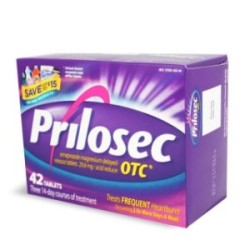
 Despite mounting evidence of a link between Prilosec and acute interstitial nephritis, the FDA only recently required a warning on the drug’s label.
Prilosec, also known generically as omeprazole, is one of a class of antacid medications known as proton pump inhibitors, or PPIs.
Originally approved by the FDA in 1989, Prilosec was the first PPI to enter the U.S. market. Many of these medications are available in both prescription-only and over-the-counter forms.
Even though Prilosec and other drugs in its class have been extraordinarily popular, the medical literature has shown for years that they may be linked to an increased risk of kidney injuries.
A journal article published as far back as 1992 addressed a possible link between Prilosec and acute interstitial nephritis. This case study recounted the first known case of acute kidney injury with a possible link to PPI treatment.
In the years since that article was published, more and more research has suggested that PPIs like Prilosec may be linked to an increased risk of acute kidney injuries.
An article published in the May 2006 edition of Clinical Gastroenterology and Hepatology concluded that the available evidence showed a link between all commercially-available PPIs, not just Prilosec and acute interstitial nephritis, suggesting the increase in risk is a “class effect” found in all PPIs.
The researchers commented that failure to recognize that effect could lead to “catastrophic long-term consequences” like chronic kidney disease.
In a July 2013 article published in BMC Nephrology, the authors noted that since the first case study of PPI-induced kidney injury was published in 1992, many more case reports have been published that suggest a connection between PPIs like Prilosec and acute interstitial nephritis.
Another article published in Kidney International in October 2014 found that current use of PPIs including Prilosec “was associated with a significantly increased risk of acute interstitial nephritis resulting in hospitalization compared with past use.” These risks appeared to be higher in older patients, the researchers reported.
And a more recent study published in JAMA Internal Medicine found that patients who took PPIs were 20 to 50 percent more likely to end up with chronic kidney disease. Researchers noted that the risk was higher among patients who took more frequent doses, suggesting a possible causal connection.
FDA Finally Warns About Prilosec and Acute Interstitial Nephritis
But even though that information had been available in the medical literature for years, Prilosec was marketed without any warning on the label that addressed the possible rik of kidney injury.
The consumer advocacy group Public Citizen petitioned the FDA in 2011 to add a warning about acute interstitial nephritis and other possible side effects to the labeling for PPIs.
Finally, in October 2014, the FDA ordered a labeling change to reflect the reports linking Prilosec and acute interstitial nephritis. Even then, the new warning was not required to be displayed in the more prominent “black box warning “ format that the FDA sometimes requires to address more serious risks.
The new warning applied to the form of Prilosec that’s available by prescription only. The same drug is also available in an over-the-counter format.
Yet even though the over-the-counter version may still be associated with a higher risk of acute interstitial nephritis, the FDA’s warning requirement did not extend to those versions of Prilosec.
In general, acid reflux medication lawsuits are filed individually by each plaintiff and are not class actions.
Do YOU have a legal claim? Fill out the form on this page now for a free, immediate, and confidential case evaluation. The attorneys who work with Top Class Actions will contact you if you qualify to let you know if an individual lawsuit or class action lawsuit is best for you. Hurry — statutes of limitations may apply.
ATTORNEY ADVERTISING
Top Class Actions is a Proud Member of the American Bar Association
LEGAL INFORMATION IS NOT LEGAL ADVICE
Top Class Actions Legal Statement
©2008 – 2026 Top Class Actions® LLC
Various Trademarks held by their respective owners
This website is not intended for viewing or usage by European Union citizens.
Get Help – It’s Free
Join a Free Nexium, Prilosec Kidney Failure Class Action Lawsuit Investigation
If you or a loved one suffered acid reflux medication complications, you may have a legal claim. See if you qualify to pursue compensation and join a free acid reflux medication class action lawsuit investigation by submitting your information for a free case evaluation.
An attorney will contact you if you qualify to discuss the details of your potential case.
Please Note: If you want to participate in this investigation, it is imperative that you reply to the law firm if they call or email you. Failing to do so may result in you not getting signed up as a client, if you qualify, or getting you dropped as a client.
Oops! We could not locate your form.












One thought on Prilosec and Acute Interstitial Nephritis