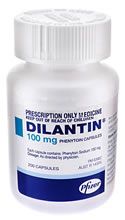
 Due to its inexpensive price and generally favorable treatment results, Dilantin (phenytoin) is a very popular drug prescribed to treat epileptic seizures.
Seizures are caused by abnormal electrical activity in the brain, and Dilantin helps to calm this activity down. Dilantin is also commonly used as a mood stabilizer to treat the symptoms of bipolar depression.
Many other uses of Dilantin have been reported in the medical literature and include treatment of depression, anxiety, obsessive compulsive disorder and other mood disorders, abnormal heartbeat, Alzheimer’s symptoms, Tourette’s syndrome, ADHD, pain, migraine and more.
Common Dilantin Side Effects
Dilantin has been linked with a number of side effects, as is the case for any prescription drug. Some of the more common side effects include insomnia, dizziness, drowsiness, fatigue, loss of balance or coordination, nausea, vomiting, tremors, swollen gums, rash, slurred speech and constipation. Some of the less common, but more dangerous, include Stevens Johnson Syndrome.
Dilantin SJS
Dilantin skin side effects can be the most devastating complication of the drug. While some may experience a mild Dilantin rash as a typical side effect, other individuals who take Dilantin suffer a very severe rash, an allergic reaction to the drug diagnosed as Stevens Johnson Syndrome (SJS).
Stevens Johnson Syndrome typically starts off as a flu-like illness with aches, fever, cough, sore throat and general malaise. After the period of flu-like symptoms, the rash typically manifests.
A Stevens Johnson Syndrome rash is most often distinguished by red and purple blisters that affect mucous membranes of the body. Commonly, the rash is seen in areas inside the nose, eyes, anus and genital areas. It can, however, affect any skin areas of the body; tongue swelling and pain is commonly reported as well.
The SJS rash spreads and as it progresses, layers of skin begin to die. The skin may slough off in sheets, exposing the more sensitive layers of skin below. Often, a person’s skin looks like that of a burn victim when the skin has shed.
The SJS rash typically affects up to 30 percent of the skin on a person’s body. When the condition progresses beyond that percentage, the patient is said to have Toxic Epidermal Necrolysis (TEN).
SJS Treatment
There is no cure for Stevens Johnson Syndrome, only treatment to address symptoms of the disease. Both SJS and TEN are potentially life-threatening medical emergencies and patients will need to be hospitalized. Often, intensive care units and burn units care for patients with SJS because the wounds are so severe.
The drug that caused SJS must be immediately stopped while hospital care focuses on managing inflammation, pain and keeping the patient well hydrated until the worst of the symptoms have subsided. It can take weeks or months for the symptoms of SJS or TEN to lessen. The mortality rate for SJS has been reported at about 5-10% and about 25-35% for TEN.
Complications of SJS
Some individuals suffer further complication from SJS as the disease progresses to affect other organs. Such complications include eye problems including vision loss, damage to organs, secondary skin infection, permanent skin infection and sepsis.
Dilantin Lawsuit Information
If you or a loved one has experienced Dilantin SJS or TEN as a result of taking the drug, you may be eligible for legal compensation. Our attorneys provide free case reviews and can help you determine if filing a Dilantin Stevens Johnson Syndrome Lawsuit is right for you.
Do YOU have a legal claim? Fill out the form on this page now for a free, immediate, and confidential case evaluation. The SJS attorneys who work with Top Class Actions will contact you if you qualify to let you know if an individual lawsuit or Dilantin class action lawsuit is best for you. [In general, Dilantin lawsuits are filed individually by each plaintiff and are not class actions.] Hurry — statutes of limitations may apply.
ATTORNEY ADVERTISING
Top Class Actions is a Proud Member of the American Bar Association
LEGAL INFORMATION IS NOT LEGAL ADVICE
Top Class Actions Legal Statement
©2008 – 2026 Top Class Actions® LLC
Various Trademarks held by their respective owners
This website is not intended for viewing or usage by European Union citizens.
Get Help – It’s Free
Help for Victims of Stevens Johnson Syndrome
If you or a loved one were diagnosed with Stevens Johnson Syndrome (SJS) or toxic epidermal necrolysis (TEN) after taking a prescribed or over-the-counter medication, you may be eligible to take legal action against the drug’s manufacturer. Filing an SJS lawsuit or class action lawsuit may help you obtain compensation for medical bills, pain and suffering, and other damages. Obtain a free and confidential review of your case by filling out the form below.
An attorney will contact you if you qualify to discuss the details of your potential case at no charge to you.
Oops! We could not locate your form.