

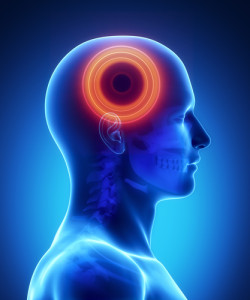
 The medical community and patient population have been concerned with the potential for cerebral damage associated with phenytoin toxicity since at least the 1990s. Phenytoin (brand name Dilantin) is one of the oldest and most popular anti-epileptic medications in the United States, but has been linked to a number of severe side effects.
One of these complications is cerebral atrophy, or shrinking of the brain, which has been linked to phenytoin toxicity in a number of studies. Cerebral atrophy occurs when brain tissue becomes damaged or degenerates and loses neurons, along with the connections between the brain and body.
This condition can be generalized or focal, affecting the brain’s control over the body’s functions. Cerebral atrophy patients often find their movements and speech impaired, as the cerebellum is responsible for the brain’s control of coordination, movement and speech.
Patients who suffer cerebral atrophy that may have been induced by phenytoin toxicity may experience odd symptoms including:
- Unsteady movements
- Slow, unsteady, or jerky movements in arms or legs
- Slow or slurred speech
- Small rapid eye movements (nystagmus)
The first study to notice this was conducted in 1994, when researchers analyzed how phenytoin affected the brain during the drug’s treatment mechanism.
Researchers noticed patients who were prescribed phenytoin had much smaller cerebelli, and concluded that heavier doses or longer prescription periods of phenytoin toxicity increases the likelihood of cerebral damage.
There were a total of 36 patients in the study, each of which were prescribed phenytoin to treat their epilepsy.
Later studies found similar results, including a 2007 case study of a young woman who had suffered severe cerebral damage allegedly due to phenytoin toxicity. She had been taking phenytoin since age 18, but had been diagnosed with cerebral atrophy at 31 after doctors reviewed CT scans of her brain.
Other inquiries have found similar results, and scientists have called for further research to be conducted into the alleged link.
Overview of Phenytoin Toxicity Concern
At this point in time, researchers are unsure why this medication may be be causing cerebral atrophy but believe it may be how phenytoin toxicity interacts with the different parts of the brain.
Phenytoin works by slowing down the electrical signals in the brain to prevent the onset of seizures, which has helped millions of patients since its release in the 1950s.
While there have been several severe side effects linked to phenytoin, including the severe allergic reaction Stevens Johnson Syndrome (SJS), cerebral atrophy is one of the most serious.
The effects of phenytoin toxicity induced cerebral atrophy can be potentially permanent, so patients should consult their physicians as soon as possible if they have difficulties in speaking or moving.
Even though phenytoin toxicity can lead to potentially devastating complications, Pfizer Inc. has allegedly failed to warn the consumer population. Patients who have allegedly suffered from complications induced by phenytoin toxicity may be eligible to file legal action against the manufacturing company.
In general, phenytoin lawsuits are filed individually by each plaintiff and are not class actions.
Do YOU have a legal claim? Fill out the form on this page now for a free, immediate, and confidential case evaluation. The attorneys who work with Top Class Actions will contact you if you qualify to let you know if an individual Dilantin lawsuit or Dilantin class action lawsuit is best for you. Hurry — statutes of limitations may apply.
ATTORNEY ADVERTISING
Top Class Actions is a Proud Member of the American Bar Association
LEGAL INFORMATION IS NOT LEGAL ADVICE
Top Class Actions Legal Statement
©2008 – 2026 Top Class Actions® LLC
Various Trademarks held by their respective owners
This website is not intended for viewing or usage by European Union citizens.
Get Help – It’s Free
Join a Free Dilantin, Phenytoin Cerebral Atrophy Class Action Lawsuit Investigation
If you or a loved one were injured by Dilantin/phenytoin side effects, you may have a legal claim. Fill out the form for a free case evaluation.
An attorney will contact you if you qualify to discuss the details of your potential case.
Please Note: If you want to participate in this investigation, it is imperative that you reply to the law firm if they call or email you. Failing to do so may result in you not getting signed up as a client, if you qualify, or getting you dropped as a client.
Oops! We could not locate your form.











