
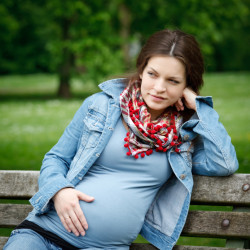
 Pregnant women who are on antidepressants often find themselves facing a difficult choice between their mental health and the well-being of their developing offspring. However, doctors and physicians who unknowingly prescribe risky medications for pregnant women may complicate the situation further.
While most doctors and physicians would never put the lives or welfare of their patients in jeopardy, sometimes they are not made fully aware of the risks posed by certain types of medications. It is important for women to be aware of the antidepressants that have been found most commonly to cause birth defects in children. Selective serotonin reuptake inhibitor (SSRI) antidepressants, including Prozac and Paxil, are among the most dangerous antidepressants for pregnant women to take because they have been associated with a risk of birth defects.
Birth defects can be minor to severe depending on what conditions the child is born with. Birth defects can cause great financial strain, psychological stress, and possible anxiety and depression for both parent and child. SSRIs are among some of the most popular medications, but also have the highest birth defect occurrence rate compared to any other antidepressants.
Most physicians are unaware of this fact because both Paxil and Prozac are actually advertised towards pregnant women, despite the indication that they may cause birth defects. All SSRI medications have been assigned a “C” grade for safety during pregnancy by the U.S. Food & Drug Administration (FDA), meaning these drugs have been known to harm animal fetuses and are suspected to be harmful to unborn babies.
Interestingly enough, the one SSRI medication the FDA warns women not to take during pregnancy is Paxil. This medication carries a “D” grade for safety during pregnancy by the FDA, meaning it has been shown to pose a risk to a human fetus. Researchers have raised the question of safety of SSRI medications for years, questioning whether or not the risks outweigh the benefits.
Overview of SSRI Birth Defects
The birth defects associated with Paxil, Prozac and other SSRI medications include but are not limited to:
- Persistent Pulmonary Hypertension of the Newborn (PPHN): A rare complication that occurs in the infant’s heart and lungs. PPHN occurs when the infant cannot adapt to breathing outside the womb, requiring intensive care support. PPHN can result in multiple organ damage, brain damage, and death. The FDA established PPHN as a possible SSRI birth defect in December 2011.
- Cardiac Defects: Septal holes in the walls of the heart are most commonly found with these complications, which severely compromise blood circulation. Prozac’s manufacturer admitted to an increased risk of cardiac complications to the baby if exposed to the drug in the uterus. Eli Lilly, Prozac’s manufacturer, admitted to this complication in January 2011, following an FDA warning.
- Anencephaly: Neural tube defect, or malformation of the brain and skull, which is thought to occur during an early stage of the pregnancy. This birth defect was first mentioned in a study in the June 2007 issue of the New England Journal of Medicine. The study found that mothers who ingested SSRI medications were much more likely to have their baby experience this type of birth defect compared to other pregnant patients taking antidepressants.
- Autism: Mental defects have also been found to be caused by SSRI medications, especially Paxil and Prozac. Neurological side effects were established as a risk from SSRI medications in July 2011 in the Archives of General Psychiatry.
File a Prozac or Paxil Lawsuit Today
If you believe that you or a loved one have been the victim of an SSRI birth defect, you have legal options. Please visit the Zoloft, Paxil, Celexa, Lexapro & Prozac SSRI Antidepressant Birth Defect Class Action Lawsuit Investigation. There, you can submit your claim for a free legal review and if it qualifies for legal action, a seasoned SSRI birth defect lawyer will contact you for a free, no-obligation consultation. You will be guided through the litigation process at no out-of-pocket expenses or hidden fees. The birth defect attorneys working this investigation do not get paid until you do.
ATTORNEY ADVERTISING
Top Class Actions is a Proud Member of the American Bar Association
LEGAL INFORMATION IS NOT LEGAL ADVICE
Top Class Actions Legal Statement
©2008 – 2026 Top Class Actions® LLC
Various Trademarks held by their respective owners
This website is not intended for viewing or usage by European Union citizens.














One thought on Paxil and Prozac Side Effects May Include Birth Defects