

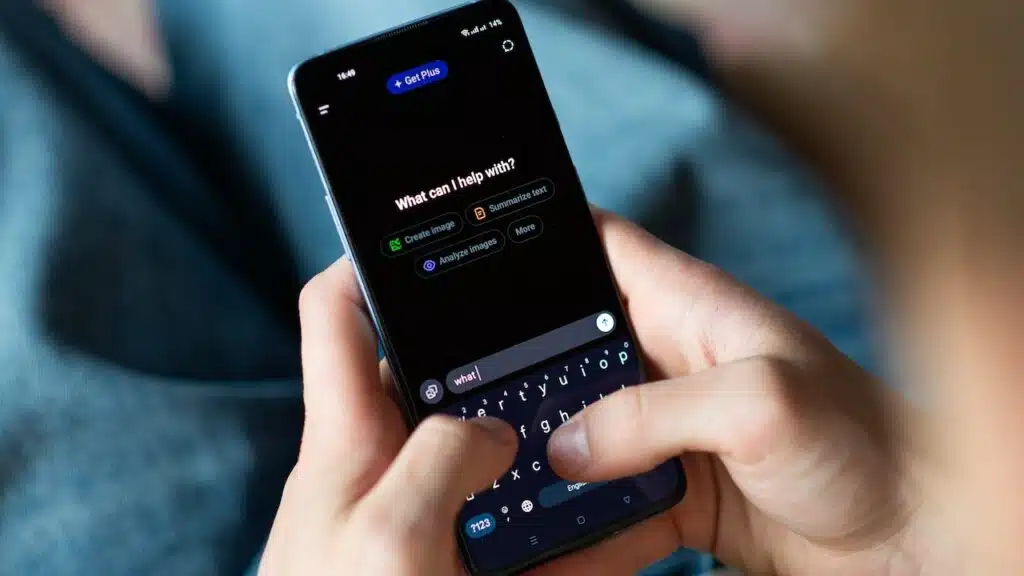
ChatGPT class action lawsuit overview:
- Who: Two California consumers filed a proposed class action against OpenAI OpCo LLC.
- Why: The plaintiffs allege OpenAI failed to adequately disclose that third-party contractors may read, summarize and evaluate users’ ChatGPT conversations.
- Where: The ChatGPT class action lawsuit was filed in California federal court.
OpenAI is facing a proposed class action lawsuit alleging it failed to disclose that outside contractors may review ChatGPT users’ conversations for model development purposes.
The plaintiffs claim OpenAI presented ChatGPT as a private, one-to-one exchange while failing to adequately disclose that human reviewers could access users’ prompts and other content.
According to the ChatGPT class action lawsuit, the alleged human review is conducted through a program internally known as “Project Lily.” The lawsuit claims the program involves hundreds of contractors who review real ChatGPT conversations and evaluate the quality of the artificial intelligence model’s responses.
The plaintiffs allege the practice is particularly concerning because consumers use ChatGPT to discuss highly sensitive subjects, including health, mental health, relationships, sexuality, finances, employment and legal issues.
According to the complaint, OpenAI’s Terms of Use, Privacy Policy and other consumer-facing materials explain how ChatGPT conversations are processed and used to improve its models but do not clearly tell consumers that third-party contractors may read the substance of their conversations.
The lawsuit points to OpenAI’s Privacy Policy, which allegedly identifies categories of outside entities that receive personal data, including hosting, customer service, cloud, support, payment and technology providers. The plaintiffs argue the policy does not specifically identify data annotation, human evaluation or model training vendors whose workers may review conversations.
Lawsuit claims ChatGPT conversations not anonymized
The ChatGPT class action lawsuit acknowledges that OpenAI does disclose some forms of human access to ChatGPT content. For example, OpenAI allegedly tells users that its team may review flagged content for safety and enforcement purposes and that business-account administrators may access account content.
However, the plaintiffs contend those disclosures do not explain that outside contractors may review conversations for model improvement.
The ChatGPT lawsuit alleges that Project Lily reviewers can be shown real user prompts, including entire conversations, and may summarize what a user was trying to accomplish, evaluate multiple ChatGPT responses and assign scores explaining their assessments.
The plaintiffs further allege that conversations can contain personal information despite an automated privacy filter intended to reduce the amount of identifying information shown to reviewers.
The ChatGPT class action lawsuit alleges violations of California’s Unfair Competition Law, Consumers Legal Remedies Act, False Advertising Law and Consumer Privacy Act, as well as claims for fraudulent concealment, intrusion upon seclusion, invasion of privacy and unjust enrichment.
The plaintiffs seek damages, disgorgement of profits, restitution, attorneys’ fees and injunctive relief. They also demand a jury trial.
In another class action lawsuit, OpenAI is facing allegations that it shared users’ ChatGPT queries with Meta and Google without their knowledge or consent.
Did you use ChatGPT believing your conversations would remain private? Share your thoughts in the comments.
The plaintiffs are represented by Victor J. Sandoval of Almeida Law Group LLC.
The ChatGPT class action lawsuit is Vredenburgh, et al. v. OpenAI OpCo LLC, Case No. 3:26-cv-10527, in the U.S. District Court for the Northern District of California.

@topclassactions Your “private” AI prompts might not be so private! The suit alleges automated filters failed to prevent personal identifying info from reaching reviewers, violating California privacy laws. DM us ‘YES’ below to get full case details sent directly to you! #OpenAI #ChatGPT #DataPrivacy #TechNews #ProjectLily
♬ original sound – Top Class Actions
Don’t Miss Out!
Check out our list of Class Action Lawsuits and Class Action Settlements you may qualify to join!
Read About More Class Action Lawsuits & Class Action Settlements:













193 thoughts onOpenAI sued over alleged undisclosed human review of ChatGPT conversations
Yes, add me
Please add me. I never gave permission
Add me
Please add me. I had no idea this was happening
Add me
add me
add me
add me
Yes, I never agreed to have someone read my personal and private conversations with Chat GPT or gemini or any other AI platform. Please add me
Yikes. Yea, add me.