

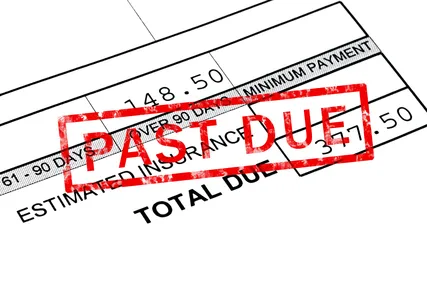
 A Tennessee man has filed an unfair debt collection lawsuit and TCPA lawsuit against three debt collection agencies with allegations of relentless harassment over a cell phone bill.
Midland Credit Management, Inc., Mildand Funding LLC and Encore Capital Group are accused of violating the Fair Debt Collection Practices Act (FDCPA) and the Telephone Consumer Protection Act (TCPA) by plaintiff Antuan F. who claims the bill collectors called his cell phone four times a day and would not stop calling even when asked.
Federal Debt Collection Practices Act
While debt collection is a perfectly legal practice, the FDCPA was established in 1978 to create regulations for creditors in an effort to protect debtors. Despite the FDCPA guidelines, many debt collectors still employ illegal practices to collect on a debt, which is classified as a FDCPA violation and may result in a FDCPA lawsuit like this one.
FDCPA laws prohibit the use of threats as a debt collection practice yet Antuan alleges that the bill collectors told him that he would “have to accept the consequences” and assured him the collection calls would continue even when the plaintiff repeatedly ask them to stop.
The plaintiff also claims debt collectors violated his right to privacy, which is also a FDCPA guideline for legal debt collection. Antuan claims the intimidating debt collectors began asking him about his medical condition and his work status which he believes is a clear invasion of privacy.
Phone records kept by the plaintiff show the repeated phone calls sometimes came within an hour of the previous attempt. According to the unfair debt collection lawsuit, the Antuan became frightened and humiliated because of the continuous harassing cell phone calls.
Some other illegal debt collection practices included under the FDCPA are:
- Collection of debts not owed
- Collection of expired debts
- Use of abusive language
- Threats of lawsuits or arrest
- Communication with third parties about your debt.
- Telephone Consumer Protection Act
This recent lawsuit also claimed that Midland, one of the defendants listed in the case, violated the TCPA by placing illegal robocalls on the plaintiff’s cell phone in an attempt to collect on bill payment.
Antuan alleges that within a 10-day period he received more than 35 pre-recorded, automatic dialed phone calls to his cell phone. The plaintiff claims that these collection calls were a third-party attempt of debt collection, which not only violates the TCPA but is also an illegal violation of the debt collection laws.
FDCPA Lawsuits
Banks, student loan companies, credit card companies and debt buyers are being named in the growing number of FDCPA lawsuits. If a debt collector is found to have violated the Federal Debt Collection Practices Act, the victim is entitled to damages.
Antuan is seeking $1,000 for statutory damages from each defendant for the alleged FDCPA violations and $500 per phone call for the reported TCPA violations made by Midland Credit Management.
The Unfair Debt Collection Lawsuit is Case 3:15-cv-00319, in the U.S. District Court for the Middle District of Tennessee.
Join a Free Unfair Debt Collection Class Action Lawsuit Investigation
If a lender or debt collector engaged in unfair debt collection practices, you may have a legal claim and could be owed compensation for violations of the Fair Debt Collection Practices Act (FDCPA).
DISCLAIMER: Debt collection itself is not illegal. However, debt collection firms collecting on consumer debts must adhere to the FDCPA. Even though debt attorneys are investigating these companies, their debt collection practices may be legal.
ATTORNEY ADVERTISING
Top Class Actions is a Proud Member of the American Bar Association
LEGAL INFORMATION IS NOT LEGAL ADVICE
Top Class Actions Legal Statement
©2008 – 2026 Top Class Actions® LLC
Various Trademarks held by their respective owners
This website is not intended for viewing or usage by European Union citizens.
FACTA lawsuit investigation: Check your paper receipts for credit card privacy violations
November 6, 2026 | Legal News











2 thoughts onDebt Collecting Lawsuit Claims FDCPA Violations Over Disputed Cell Phone Bill
I am a victim of Midland funding back debt consolidation Federal Trade Commission unfair debt collection practices and overcharging an incorrect monitor and wrongful foreclosure but did you take the judge’s order that debt forgiveness B take that put in place and payment be returned thank you so much mr. Bryant and Hera and all the attorneys
i am having trouble with the same company mcm and about a cellphone bill over 9 years old