

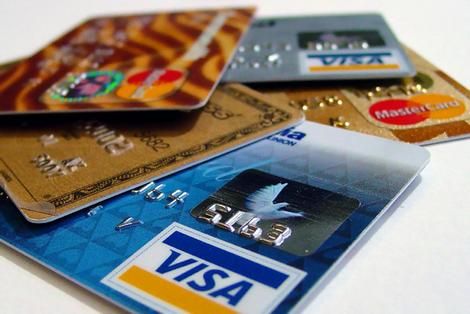
 The Fair and Accurate Credit Transactions Act (FACTA) requires all merchants to follow certain protocols to better protect American citizens from identity theft or credit card fraud.
Primarily, the biggest violations a company can commit under FACTA are including any part of the customer’s credit card expiration date on the receipt, or including any numbers other than the last five digits of the customer’s credit or debit card receipt.
This process is called truncation. If this process is not properly executed, merchants could potentially expose customers to the risk of identity theft and credit card fraud. FACTA applies to all electronically printed receipts that are printed by cash registers, self-service kiosks, and those receipts given to customers at restaurants.
This federal policy has been in action since the Federal Trade Commission (FTC) found that customers were at a higher risk of identity theft if their personal information was exposed on the receipts. As the nation’s go-to consumer protection agency, the FTC enacted FACTA in 2003. This policy ultimately required merchants to shorten all credit or debit cards numbers printed on receipts as well as omit the cards’ expiration dates.
According to experts, these numbers on debit and credit card receipts are one of the easiest ways identity thieves can access a person’s financial information.
It is important to note that many customers throw away credit and debit card receipts rather than file them, so these unshortened numbers were practically identity handouts to thieves and fraudsters. This policy is vital for customer privacy, so if a company is found to be in violation or non-compliance of FACTA they could face major fines.
Overview of FACTA Compliance
Under the FTC law enforcement division, a company can face both civil and injunctive penalties if they are found guilty of FACTA violations. Additionally, FACTA also allows consumers to sue any business that does not comply with this law, and they are even encouraged to talk to specialized lawyers to pursue charges.
Despite being around since 2003, this policy has had a gradual implementation, as it took many businesses years to adapt to the rapid technological growth.
The FTC gave all merchants with older cash registers or transactions devices in the United States until Dec. 1, 2006 to update their machines to comply with FACTA policy. Merchants with newer machines were given until December 2004. This means that for almost 10 years, businesses in the United States should have been complying with the FTC and following FACTA compliance.
It is important to note that FACTA compliance only applies to electronically printed receipts and exempts handwritten or imprinted ones. It also applies to receipts the customers are given at point of sale transactions and not to any transaction record the merchant retains.
Overall, the Federal Trade Commission advises merchants to keep the safety of their customers’ personal information in mind, as they are legally obligated to keep it safe. The purpose of FACTA is to protect consumers from fraudulent, deceptive, or unfair business practices in the market and to provide legal resources to consumers who feel as though they were put at risk for identity theft.
The Federal Trade Commission enters all FACTA violation complaints into the Consumer Sentinel Network, which is a secure online database and investigative tool. This is used by hundreds of civil and criminal law enforcement agencies in the United States, as well as other countries.
Free FACTA Class Action Lawsuit Investigation
If you made one or more purchases and the retailer provided you with a receipt that contained more than the last five digits of your credit or debit card number or the expiration date, you may be eligible for a free class action lawsuit investigation and to pursue compensation for these FACTA violations.
ATTORNEY ADVERTISING
Top Class Actions is a Proud Member of the American Bar Association
LEGAL INFORMATION IS NOT LEGAL ADVICE
Top Class Actions Legal Statement
©2008 – 2026 Top Class Actions® LLC
Various Trademarks held by their respective owners
This website is not intended for viewing or usage by European Union citizens.

FACTA lawsuit investigation: Check your paper receipts for credit card privacy violations
November 6, 2026 | Legal News











