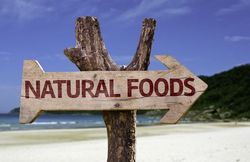
 GMO-free, gluten-free and organic labels have joined the “all-natural” hype that has generated billions of dollars for the U.S. food industry. Research shows more than 50 percent of American consumers search for food labels that are marketed as a wholesome option, and are willing to pay more for those branded with such claims.
However, with no clear U.S. Food and Drug Administration standard, food marketers can add a label claiming the product is “natural” without it carrying much meaning. This is concerning to health-conscious consumers who feel they were misled into purchasing a more expensive product that was not what it claimed to be.
What is GMO-free?
GMO-free is one of the latest food labels that lead consumers to believe an item is a healthier choice. In order to accurately be labeled GMO-free a food item may not be genetically modified in any way. Most U.S. corn and soybeans are genetically modified but do not carry a label that informs shoppers of that.
While the FDA continues to test new products to make sure they are safe, at this point the agency has not regulated “GMO-containing” or “GMO-free” label claims.
Gluten-Free Labels
Millions of Americans either require a gluten-free diet because they have celiac disease or they prefer a gluten-free diet for other health reasons. An estimated 30 percent of U.S. consumers claim that reducing gluten intake has helped them eliminate headaches, bloating, nausea and joint paint. One percent of Americans have been diagnosed with celiac disease.
This is one food label that the U.S. Food and Drug Administration takes very seriously. The agency has stepped in to make sure foods labeled “gluten-free” are actually what they claim to be.
Understanding Organic Stickers
An organic label has a different meaning for different products.
- In produce: “Organic” means the item was grown without pesticides or fertilizer.
- In meat and dairy: An “Organic” sticker means the animal was not given hormones or antibiotics, it was fed organic feed, and the animal was allowed to graze outside.
- In processed foods: “Organic” means the product contains a minimum of 70 percent organic ingredients.
Natural Food Sales
The “natural” food industry is booming as more and more food items carry labels such as “GMO-free,” “gluten-free,” “organic,” “all-natural,” “100% natural,” and “natural.” In 2013, “natural” food product sales in the United States totaled a reported $40 billion.
Because of the lack of regulation of certain label claims, some food companies may be using deceptive labeling tactics in order to generate higher sales at higher prices.
Recent “all natural” class action investigations have found that many “natural” labels contain artificial ingredients and chemical preservatives. Investigation findings have led to consumers to take legal action against food manufacturers for deceptive labeling practices.
Free All-Natural Food Label Class Action Lawsuit Investigation
Did you purchase a food product because the label said it was “Natural,” “All Natural,” “100% Natural” or used a similar term?
Some food products labeled “Natural,” “All Natural,” or “100% Natural” are not, in fact, natural because they contain unnatural ingredients, such as artificial additives, synthetic vitamins, and/or chemical preservatives.
ATTORNEY ADVERTISING
Top Class Actions is a Proud Member of the American Bar Association
LEGAL INFORMATION IS NOT LEGAL ADVICE
Top Class Actions Legal Statement
©2008 – 2026 Top Class Actions® LLC
Various Trademarks held by their respective owners
This website is not intended for viewing or usage by European Union citizens.

FACTA lawsuit investigation: Check your paper receipts for credit card privacy violations
November 6, 2026 | Legal News