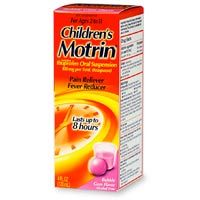
 Florida mother alleges that Motrin (ibuprofen) caused her daughter to develop the life-threatening allergic reaction, Stevens Johnson Syndrome (SJS).
The concerned parent criticizes the drug’s manufacturer, McNeil Consumer Healthcare, for not including this side effect on Motrin’s warning label.
Kristen B. describes her daughter, Riley B. as a happy and carefree girl that is good at making friends but hides years of pain behind her sunglasses. When Riley was only three years old in 2010, she was diagnosed with Stevens Johnson Syndrome and fought for her life for a month.
Like most SJS patients,Riley ended up losing over 30% of her skin, and had also lost the outer layer of her organs. She was also left her blind in one eye. Each of these symptoms are commonly associated with Stevens Johnson Syndrome, with a condition that leaves the patient looking as if they were severely burned.
Among SJS symptoms, the red or purple skin lesions that appear all over the patient’s body is probably the most well-known. The areas of the SJS rash skin lesions detach and expose the inner sensitive tissue, causing the overall condition of the patient to deteriorate at a rapid rate.
Oftentimes patients are left blind or with permanent skin damage, which makes them vulnerable to sunlight. Riley is no different in this, as she now has to wear a hat and sunglasses whenever she goes outside. While Riley survived her ordeal, she will most likely have to live with the life-long complications from her SJS symptoms.
Overview of Stevens Johnson Syndrome Allegations
Riley’s mother filed legal action against McNeil Consumer Healthcare, along with their parent company Johnson & Johnson for failing to warn them against Motrin SJS. Unfortunately, she lost the lawsuit despite maintaining that her daughter’s condition was specifically caused by Motrin.
According to the Mayo Clinic, Stevens Johnson Syndrome is an extreme allergic reaction that is specifically caused by medication. As mentioned before, the injuries caused by SJS symptoms are similar to those of a burn victim, and the injuries are treated as such, often requiring skin grafts. This condition can evolve rapidly and can quickly turn fatal for patients who are not diagnosed in time.
While Riley was diagnosed in time, many patients are not as lucky as Riley and may either die or are left with more disfiguring consequences. The FDA does not currently require patients to report adverse reactions to medications, to which Kristen claimed would provide a more accurate read of SJS statistics.
It is currently estimated that Stevens Johnson Syndrome hits 300 patients a year, making it an extremely rare condition. Due to its rarity, McNeil and a number of other pharmaceutical companies often omit SJS symptoms from product warning labels.
According to the SJS lawsuit, Kristen stated that if the true numbers of SJS were known, then pharmaceutical companies would treat it as a series risk. In a statement in the lawsuit, McNeil expressed sympathy to Kristen and her family and that the rarity of SJS made it difficult to determine the risk level.
While Kristen lost the lawsuit, she tells her daughter’s story and to spread awareness of SJS.
Do YOU have a legal claim? Fill out the form on this page now for a free, immediate, and confidential case evaluation. The Stevens Johnson Syndrome attorneys who work with Top Class Actions will contact you if you qualify to let you know if an individual lawsuit or class action lawsuit is best for you. [In general, SJS lawsuits are filed individually by each plaintiff and are not class actions.] Hurry — statutes of limitations may apply.
ATTORNEY ADVERTISING
Top Class Actions is a Proud Member of the American Bar Association
LEGAL INFORMATION IS NOT LEGAL ADVICE
Top Class Actions Legal Statement
©2008 – 2026 Top Class Actions® LLC
Various Trademarks held by their respective owners
This website is not intended for viewing or usage by European Union citizens.
Get Help – It’s Free
Help for Victims of Stevens Johnson Syndrome
If you or a loved one were diagnosed with Stevens Johnson Syndrome (SJS) or toxic epidermal necrolysis (TEN) after taking a prescribed or over-the-counter medication, you may be eligible to take legal action against the drug’s manufacturer. Filing an SJS lawsuit or class action lawsuit may help you obtain compensation for medical bills, pain and suffering, and other damages. Obtain a free and confidential review of your case by filling out the form below.
An attorney will contact you if you qualify to discuss the details of your potential case at no charge to you.
Oops! We could not locate your form.