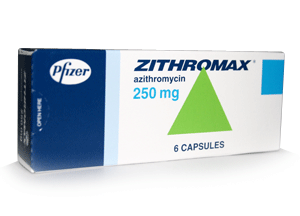
 The U.S. Food and Drug Administration (FDA) has been reviewing medical studies that suggest the popular Pfizer Inc. antibiotic Zithromax may increase a patient’s risk of a sudden cardiovascular death.
Zithromax is an FDA-approved antibiotic treatment for pneumonia, bronchitis, and other infectious diseases created, manufactured, distributed and sold by Pfizer. It has quickly become one of the most prescribed antibiotic and goes by many names including Z-Pak and Z-Max. During 2011 alone, 55.3 million Zithromax prescriptions were dispensed within the United States.
According to a Zithromax study published in New England Journal of Medicine, patients taking Zithromax for as few five days had an increased risk of dying from cardiovascular problems compared to patients not taking an antibiotic. Additionally, when compared to other antibiotics like amoxicillin and ciprofloxacin, Zithromax (or azithromycin) still carried a higher risk of death.
Pfizer is also aware of the Zithromax cardiovascular death study and is currently reviewing the findings as well. According to the company’s statement concerning the FDA’s decision to review the study, Pfizer stated:
“We are thoroughly reviewing this observational study within the overall context of the data we’ve collected for more than two decades on Zithromax’s benefits and risks, including data from randomized, controlled clinical trials. Patient safety is of the utmost importance to Pfizer, and we continuously monitor the safety and efficacy of our products to ensure that the benefits and risks are accurately described in the product label, as approved by the FDA.”
The FDA has not yet made a decision on the exact safety precautions to take with Zithromax, but the agency has stated it will convey any new Zithromax cardiovascular death information after it completes its review of this recent Zithromax study.
However, the FDA has stated, “Patients taking azithromycin should not stop taking their medicine without talking to their health care professional.” The agency also informed healthcare professionals that when prescribing Zithromax to patients with a history of cardiovascular issues, they should be aware that the Pfizer antibiotic does have the potential to cause heart arrhythmia and prolonged QT intervals.
Zithromax lawsuits allege patients have suffered heart attacks, liver damage, allergic skin reactions, and other serious side effects after taking a Z-Pak.
Some serious health conditions allegedly linked to Zithromax use besides heart attack include:
- Stevens Johnson Syndrome
- Liver failure
- Toxic epidermal necrolysis
- Cardiovascular problems
- Sudden death
Because of the serious health conditions many consumers have allegedly developed after taking Zithromax, many are filing Zithromax lawsuits or joining Zithromax class action lawsuits to seek compensation from Pfizer.
Do YOU have a legal claim? Fill out the form on this page now for a free, immediate, and confidential case evaluation. The Zithromax attorneys who work with Top Class Actions will contact you if you qualify to let you know if an individual lawsuit or Zithromax class action lawsuit is best for you. [In general, Zithromax lawsuits are filed individually by each plaintiff and are not class actions.] Hurry — statutes of limitations may apply.
Get Help – It’s Free
Join a Free Zithromax Class Action Lawsuit Investigation
If you or a loved one had a heart attack, liver failure, Stevens Johnson Syndrome or Toxic Epidermal Necrolysis after taking Zithromax, Z-Pak, Zmax or azithromycin, you may have a legal claim. See if you qualify by filling out the short form below.
A Zithromax attorney will contact you if you qualify to discuss the details of your potential case at no charge to you.
Oops! We could not locate your form.
ATTORNEY ADVERTISING
Top Class Actions is a Proud Member of the American Bar Association
LEGAL INFORMATION IS NOT LEGAL ADVICE
Top Class Actions Legal Statement
©2008 – 2026 Top Class Actions® LLC
Various Trademarks held by their respective owners
This website is not intended for viewing or usage by European Union citizens.