

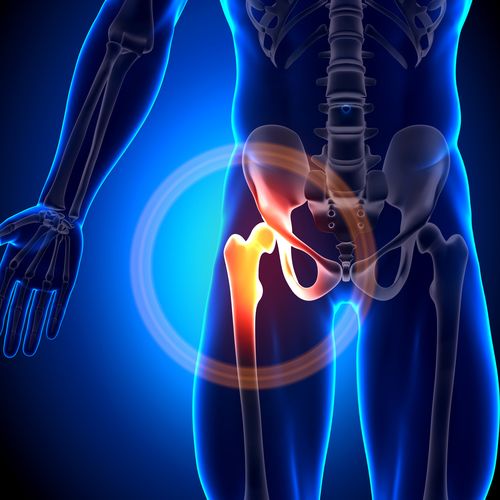
 The growing number reported metal-on-metal hip replacement problems has prompted the Food and Drug Administration (FDA) to recommend patients undergo continual monitoring with their surgeons to check for any changes regarding possible complications or functioning for metal-on-metal hips.
While metal-on-metal hips are a common orthopaedic solution, adverse events have been pouring into the FDA, with reports including hip infection, such as metallosis, and premature hip implant failure.
All hip implants carry the risk of serious side effects, particularly the rate of wear and breakdown of plastic or ceramic models. However, metal on metal hips were advertised to be overtly superior to their plastic or ceramic cousins because they are supposed to last longer and better handle harsher physical movements like exercise.
Unfortunately, metal-on-metal hip replacement problems are becoming prevalent, as the wear of these devices reportedly caused patients major complications and many have early failure rates.
Metal-on-Metal Hip Infection and Complications
Metallosis, or blood-metal poisoning, occurs when metal ions shed into the blood stream from the ball-and-socket joint of the devices. When the components of the hip implants interact during walking, running, or other physical movements, the debris is released into the body, causing serious hip infection.
Other potential metal-on-metal hip replacement problems include corrosion, device failure, pain at the implantation site, and the formation of pseudotumor.
Due to the complications associated with metal-on-metal hip implants, many orthopaedic surgeons are taking precautions before and after the hip revision surgery to help minimize the amount of metal ions released into the body. Unfortunately, there is currently no preventative method available to completely block the metal ions.
In the case of a defective metal-on-metal hip implant, the severity of the hip infection can vary between patients, and there is no way to predict which side effects patients may suffer. Patients who receive metal-on-metal hip implants should also observe any changes to their general health, or new or worsening symptoms outside the hip implant.
Patients who start experiencing adverse symptoms after receiving their metal-on-metal hip implant, should consult their physician immediately. Currently, there is no regimented blood or soft tissue tests to check for metal ions levels in patients who have received metal on metal hips.
The FDA recommends that patients with metal-on-metal hip implants follow up their orthopaedic surgeon every one to two years to monitor their condition. Long-term exposure to the metal ions, can cause damage to the effected bone or tissue surrounding joint.
Patients suffering from early signs of hip infection, may be recommended to undergo hip revision surgery to either remove or replace the metal-on-metal hip implant. Additionally, metal-on-metal hip implant patients who suffered complications, may be eligible for a legal claim against the manufacturing company.
If you or a loved one underwent hip implant surgery and developed a hip infection or other metal-on-metal hip implant replacement problems, you should speak to a specialized lawyer as soon as possible to determine if you are eligible to file legal action.
Do YOU have a legal claim? Fill out the form on this page now for a free, immediate, and confidential case evaluation. The hip implant attorneys who work with Top Class Actions will contact you if you qualify to let you know if an individual lawsuit or class action lawsuit is best for you. [In general, metal hip implant lawsuits are filed individually by each plaintiff and are not class actions.] Hurry — statutes of limitations may apply.
ATTORNEY ADVERTISING
Top Class Actions is a Proud Member of the American Bar Association
LEGAL INFORMATION IS NOT LEGAL ADVICE
Top Class Actions Legal Statement
©2008 – 2026 Top Class Actions® LLC
Various Trademarks held by their respective owners
This website is not intended for viewing or usage by European Union citizens.
Get Help – It’s Free
Join a Free Metal Hip Replacement Class Action Lawsuit Investigation
If you or a loved one had a metal-on-metal hip implant that failed or caused serious complications, you may be entitled to compensation. Hip replacement lawsuits are being filed now against multiple companies, including Stryker, Biomet, DePuy, Zimmer, and Wright. See if you qualify to take legal action by filling out the form below.
An attorney will contact you if you qualify to discuss the details of your potential case at no charge to you.
Oops! We could not locate your form.











