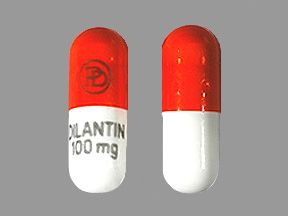
 According to recent concerns of the medical community, Dilantin (Phenytoin) allegedly causes patients to develop focal cerebral atrophy.
This medical condition occurs due to the deteriorating of the cerebellum. Patients can lose basic functions of movement, coordination, and speech. With such a popular anti-seizure medication being associated with cerebellar atrophy, patients and doctors are both calling for additional research to be done.
Patients who suffer cerebellar atrophy often find themselves unable to walk properly, suffer from slowed or slurred speeches, and experience small rapid movement in the eyes.
There are numerous causes of cerebellar atrophy including: stroke, tumors, seizures, and other cerebral stem disorders. This medical condition has also been linked to toxins occasionally exposed to the brain from, ethanol, chemotherapy treatments, and Dilantin.
Dilantin Side Effects
According to recent studies, patients who suffer Dilantin cerebellar atrophy are long-term users whose dug serum levels are likely to be above therapeutic range. However, other cases have indicated this complication has occurred even when those levels are of normal range.
Additionally, medical experts have found that cerebellar atrophy can occur in both children and adults. In one recent example, a teenaged boy was admitted to the hospital when he started showing symptoms of cerebellar atrophy after being prescribed Dilantin to help manage his seizures.
The patient had been using Dilantin for years and was seizure-free for two years. While the patient had a history of birth asphyxia and development milestone delays, diagnostic image scans indicated that there was damage of cerebellar atrophy.
His doctors believed that it was linked to Dilantin, due to the fact that the patient’s serum phenytoin levels were high and he had begun showing symptoms of cerebral damage. After the boy was diagnosed, his doctor immediately took him off Dilantin and replaced the drug with Clobazam.
After the patient was taken off Dilantin, he began recovering from focal cerebral atrophy at a steady pace. Based on the results of patient’s condition, experts recommend that doctors keep a close eye on long-term Dilantin patients and reevaluate whether or not Dilantin is the right drug for them.
However, experts point out that it is unknown if this complication is determined by dose, or if it is acute or chronic nature. While focal cerebral atrophy is reversible, it is important to identify the Dilantin complication and react to it in a timely manner.
Concern for this Dilantin side effect has been around since the 1990s, when a study was published in a neurological medical journal. This study examined different Dilantin complications and was the first to allegedly connect Dilantin and cerebellar atrophy.
Recovery from this condition is often achieved by ceasing Dilantin. However, patients should never discontinue a medication without consulting their physician.
In severe cases of cerebral degeneration, patients suffered permanent side effects, such as problems with muscle coordination.
In general, phenytoin lawsuits are filed individually by each plaintiff and are not class actions.
Do YOU have a legal claim? Fill out the form on this page now for a free, immediate, and confidential case evaluation. The attorneys who work with Top Class Actions will contact you if you qualify to let you know if an individual Dilantin lawsuit or cerebral atrophy class action lawsuit is best for you. Hurry — statutes of limitations may apply.
ATTORNEY ADVERTISING
Top Class Actions is a Proud Member of the American Bar Association
LEGAL INFORMATION IS NOT LEGAL ADVICE
Top Class Actions Legal Statement
©2008 – 2026 Top Class Actions® LLC
Various Trademarks held by their respective owners
This website is not intended for viewing or usage by European Union citizens.
Get Help – It’s Free
Join a Free Dilantin, Phenytoin Cerebral Atrophy Class Action Lawsuit Investigation
If you or a loved one were injured by Dilantin/phenytoin side effects, you may have a legal claim. See if you qualify to pursue compensation and join a free phenytoin cerebral atrophy class action lawsuit investigation by submitting your information for a free case evaluation.
An attorney will contact you if you qualify to discuss the details of your potential case.
Oops! We could not locate your form.