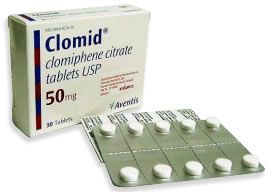
 Infertility can be a scary reality for many women. However, there are many treatment options available for women having trouble becoming pregnant, and Clomid (or clomiphene) is one of the drugs first in line given to women to encourage ovulation.
While many women have successfully become pregnant using Clomid, there are also reports that some of these women later gave birth to children with birth defects, allegedly caused by the fertility drug.
Background on Clomid
Clomid
(also sold under the brand name serophene and generic clomifene or clomiphene citrate) is a fertility drug administered orally in order to stimulate ovulation in women experiencing fertility issues. It is manufactured by Sanofi Aventis, a pharmaceutical company.
The fertility treatment is a part of a group of drugs called selective estrogen receptor modulators (SERMs), which bind to the areas outside of cells where the estrogen hormone normally binds, which thereafter enhances or decreases the effects of estrogen on these cells.
Clomid was first approved as a fertility treatment for women by the U.S. Food and Drug Administration (FDA) in 1967.
Because Clomid could have potentially serious side effects on women and their unborn children, close physician supervision is required when taking Clomid so that the drug treatment can stimulate ovulation but be out of the patient’s system before pregnancy actually occurs.
However, because Clomid is available for purchase online, many women are unaware that an improper dosage of Clomid can cause the fetus to be exposed to the pharmaceutical drug, thus increasing the risk of Clomid birth defects.
Clomid Birth Defect Studies
According to a study performed by the Centers for Disease Control and Prevention (CDC), data pulled from the National Birth Defects Prevention study was reviewed in order to discover a link between Clomid use and birth defects existed.
The CDC study reports that mothers who gave birth to children with certain birth defects claimed they used Clomid or Serophene more often than their counterparts who gave birth to healthy children.
Some possible Clomid birth defects study include:
- Anencephaly (baby born without parts of brain and skull)
- Coarctation of the aorta (narrowing of the aorta)
- Craniosyntosis (premature fusion of an infant’s skull sutures)
- Esophageal atresia (baby born without part of the esophagus)
- Omphalocele (baby’s abdominal organs are outside of the body)
- Septal heart defect (hole in the wall of the heart)
Clomid and Serophene are considered Category X drugs by the FDA, meaning that there is evidence to suggest that use of this particular drug during pregnancy can cause potential harm to the fetus. This particular drug category is used when “the risks involved in use of the drug in pregnant women clearly outweigh potential benefits,” according to the FDA.
If you took Clomid as a fertility treatment and later gave birth to a child with birth defect, you should consider speaking with a birth defects lawyer to determine if you should pursue a Clomid birth defects lawsuit.
In general, Clomid lawsuits are filed individually by each plaintiff and are not class actions. Do YOU have a legal claim? Fill out the form on this page now for a free, immediate, and confidential case evaluation. The attorneys who work with Top Class Actions will contact you if you qualify to let you know if an individual lawsuit or class action lawsuit is best for you. Hurry — statutes of limitations may apply.
ATTORNEY ADVERTISING
Top Class Actions is a Proud Member of the American Bar Association
LEGAL INFORMATION IS NOT LEGAL ADVICE
Top Class Actions Legal Statement
©2008 – 2026 Top Class Actions® LLC
Various Trademarks held by their respective owners
This website is not intended for viewing or usage by European Union citizens.
Get Help – It’s Free
Join a Free Clomid Birth Defects Class Action Lawsuit Investigation
If you or a loved one became pregnant after taking Clomid and had a baby with a birth defect, you may have a legal claim. See if you qualify to pursue compensation for your child’s medical expenses, pain and suffering, and other damages by filling out the form below. An attorney will contact you if you qualify to discuss the details of your potential case.
Oops! We could not locate your form.