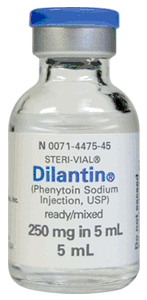
 Long-term Phenytoin (Dilantin) exposure has been linked with central nervous system complications such as focal cerebral atrophy for quite some time in medical literature.
Some patients who have suffered from cerebral atrophy symptoms may file Phenytoin lawsuits, in hope to gain some kind of compensation in exchange for their suffering and the potentially permanent side effects.
What is Phenytoin?
Phenytoin, a popular drug for the treatment of epilepsy, helps to stop seizures during the early stages. Phenytoin is the generic name for Dilantin, and is one of the more commonly used antiepileptic or anticonvulsant drugs.
When a person suffers from a seizure, the neurons in their brain cells fire off much more rapidly than usual. Phenytoin and other anti-seizure medications like it prevent the patient’s brain cells from firing off these neurons at such a rapid pace, which in turn helps control seizures.
Phenytoin Side Effects
A 2003 study discussed the link between focal cerebral atrophy and long term exposure to the anti-seizure medication phenytoin. Ultimately, the study concluded that the amount of time a patient is exposed to phenytoin affects how likely it is that they develop focal cerebral atrophy.
Focal cerebral atrophy is a type of cerebellar atrophy that affects the cerebellum, causing a condition in which the cerebellum’s brain tissue degenerates, losing neurons.
The cerebellum, which is the portion of the brain located under the cerebrum and behind the brain stem, is responsible for movements such as coordination, speech, posture, and balance.
This is why, when the cerebellum is damaged, symptoms can include unstable eye movement, lack of control over body movements, tremors, and imbalance issues. These side effects can mean that physical tasks become difficult, unsteady, or even impossible. Cerebellar atrophy symptoms are similar to those of a stroke.
Some patients who take phenytoin and suffer from focal cerebral atrophy symptoms can rid themselves of these problems by stopping their drug intake. However, some patients who have taken phenytoin for extended periods of time may find that the symptoms can become a permanent part of their lives.
Research into the link between phenytoin and focal cerebral atrophy indicates that the condition tends to show up after long-term use and when the drug levels are above the normal range. However, the condition has previously been reported when taken in the normal range as well.
Phenytoin Lawsuits
These phenytoin side effects can cause great damage, especially if they become permanent. If you or someone you know has suffered from focal cerebral atrophy after taking the anti-seizure medication phenytoin (Dilantin) you may be able to file a Phenytoin lawsuit. While a lawsuit cannot adequately make up for pain and suffering, it can help compensate for injuries.
In general, phenytoin lawsuits are filed individually by each plaintiff and are not class actions.
Do YOU have a legal claim? Fill out the form on this page now for a free, immediate, and confidential case evaluation. The attorneys who work with Top Class Actions will contact you if you qualify to let you know if an individual Dilantin lawsuit or Dilantin class action lawsuit is best for you. Hurry — statutes of limitations may apply.
ATTORNEY ADVERTISING
Top Class Actions is a Proud Member of the American Bar Association
LEGAL INFORMATION IS NOT LEGAL ADVICE
Top Class Actions Legal Statement
©2008 – 2026 Top Class Actions® LLC
Various Trademarks held by their respective owners
This website is not intended for viewing or usage by European Union citizens.
Get Help – It’s Free
Join a Free Dilantin, Phenytoin Cerebral Atrophy Class Action Lawsuit Investigation
If you or a loved one were injured by Dilantin/phenytoin side effects, you may have a legal claim. Fill out the form for a free case evaluation.
An attorney will contact you if you qualify to discuss the details of your potential case.
Oops! We could not locate your form.