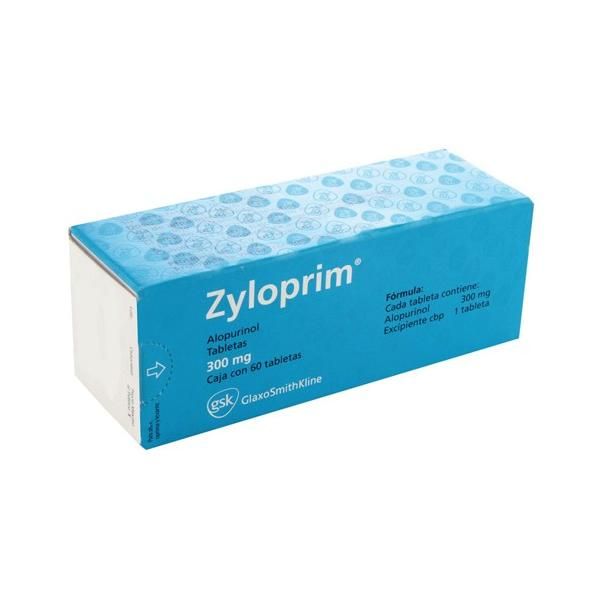
 A recent Stevens Johnson Syndrome study found that the drug most frequently involved was allopurinol, known by the brand name Zyloprim.
The SJS study was published in the American Journal of Medicine. Researchers from Canada reviewed the medical records of patients who had been admitted to Vancouver General Hospital between 2001 and 2011 for SJS or for its related condition toxic epidermal necrolysis.
They were able to identify a trigger in 75 percent of the cases studied. The single most common drug was Zyloprim, which was implicated in 20 percent of the cases.
The researchers also noted a high frequency of Zyloprim-related SJS or TEN cases in patients of Chinese ethnicity. They reported that although Chinese patients made up only 23 percent of the study subjects, they comprised over 46 percent of the patients who suffered SJS or TEN after taking Zyloprim.
The Stevens Johnson Syndrome study’s authors strongly recommended that physicians test all patients of Asian ancestry for the HLA-B*5801 allele before administering Zyloprim, to help prevent cases of SJS or TEN in those patients.
Zyloprim and Severe Skin Reactions
Zyloprim is one of a class of medications called xanthine oxidase inhibitors, used to reduce production of uric acid in the body. By lowering levels of uric acid, Zyloprim can help control conditions related to an excess of uric acid such as gout and kidney stones. It can also be used to control levels of uric acid when certain cancer medications cause those levels to rise.
The new findings from the Vancouver study are consistent with an earlier study that found Zyloprim was the drug most commonly associated with SJS or TEN.
The earlier study was published in the January 2008 issue of the Journal of the American Academy of Dermatology. Researchers compared the records of over 1,500 control subjects to those of 379 patients with either SJS or TEN.
They found that 66 of the SJS/TEN patients had taken Zyloprim, making it the drug most frequently associated with adverse skin reactions in the study. They also found that higher doses of Zyloprim were associated with higher risks of SJS or TEN.
SJS and TEN: Symptoms and Treatment
Both SJS and TEN are severe medication reactions that require hospitalization for treatment and can be deadly in more severe cases. The two conditions are believed to be different variants of the same condition.
The characteristic symptom of SJS and TEN is a rash that progresses to form blisters, which themselves grow and meet to form large areas of skin that peels away from the body. The loss of the outer layer of skin can expose the body to potentially fatal infections afflicting the skin or causing blood poisoning.
Mucous membranes can also be affected, creating lesions inside the respiratory tract, digestive tract, genitourinary area, or in the eyes. Eye symptoms typically manifest as conjunctivitis and corneal lesions that can leave the patient blind. Lesions in the lower digestive tract can cause diarrhea.
Treatment of SJS and TEN requires discontinuing Zyloprim or whatever other factor may be causing the condition. Hospitalization is required, typically in an intensive care unit or burn unit. Generally, providers address symptoms and prevent infection while giving the body time to heal itself.
Do YOU have a legal claim? Fill out the form on this page now for a free, immediate, and confidential case evaluation. The Stevens Johnson Syndrome attorneys who work with Top Class Actions will contact you if you qualify to let you know if an individual lawsuit or class action lawsuit is best for you. [In general, SJS lawsuits are filed individually by each plaintiff and are not class actions.] Hurry — statutes of limitations may apply.
ATTORNEY ADVERTISING
Top Class Actions is a Proud Member of the American Bar Association
LEGAL INFORMATION IS NOT LEGAL ADVICE
Top Class Actions Legal Statement
©2008 – 2026 Top Class Actions® LLC
Various Trademarks held by their respective owners
This website is not intended for viewing or usage by European Union citizens.
Get Help – It’s Free
Help for Victims of Stevens Johnson Syndrome
If you or a loved one were diagnosed with Stevens Johnson Syndrome (SJS) or toxic epidermal necrolysis (TEN) after taking a prescribed or over-the-counter medication, you may be eligible to take legal action against the drug’s manufacturer. Filing an SJS lawsuit or class action lawsuit may help you obtain compensation for medical bills, pain and suffering, and other damages. Obtain a free and confidential review of your case by filling out the form below.
An attorney will contact you if you qualify to discuss the details of your potential case at no charge to you.
Oops! We could not locate your form.