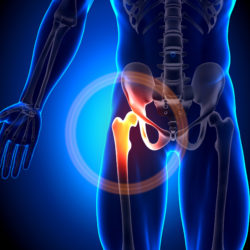
 The Stryker Company is no stranger to problems with its prosthetic components and units. Stryker hip implant recall history has affected many former total hip arthroscopic patients.
The Trident PSL and Hemispherical acetabular cups were recalled in 2008. The Accolade TMZF stem component was recalled in 2009, 2011, 2012, and 2013.
The Rejuvenate and ABG hip implants made by Stryker were recalled in 2012. The LFIT V40 femoral head was recalled in 2016.
The Stryker hip implant recall history over the last decade has been significant. The Food and Drug Administration (FDA) sent the company a letter warning the Michigan-based company about problems arising with their Trident PSL and Hemispherical acetabular cups in 2008.
The company initially stood behind their products, declaring them to be superior, but later voluntarily recalled them due to their inability to meet internal test standards of quality.
The Accolade TMZF stem component had multiple issues over several years associated with the manufacturing and packaging process. The FDA determined that 1,700 components in this Stryker hip implant recall were affected.
The Accolade was a hip stem made from a specialized titanium mixture created by the Stryker company. When it was combined with a femoral head made of cobalt and chromium, it developed a tendency to corrode and leave dangerous metal debris around the site of the prosthetic. This has led to tissue damage in many former patients.
This product is still on the market, but is now used in combination with ceramic femoral heads.
The Stryker hip implant recall of the Rejuvenate and ABG hip implants occurred next. More than 50,000 of these modular hip stems were recalled. This is the part of the femoral head that is implanted into the large bone of the upper leg or femur.
Made of a chromium and cobalt combination, these components also can lead to tissue degradation around the implant site after tiny metal shreds following corrosion leak into the surrounding area.
The most recent of the Stryker hip implant recall history is the LFIT V40 Femoral Head. This femoral head recall affected 42,000 units. Also made of chromium and cobalt, this product contributed to a corrosive condition known as trunnionosis in which metal debris from erosion caused bone and tissue damage and loss.
Ultimately, the Stryker hip implant recall history has cost former hip arthroscopic patients a lot of pain and suffering. Although such a significant surgery never comes without risk, the need for a hip revision surgery, which in these cases usually involves a total replacement of the prosthetic unit, comes with higher statistical chance of subsequent unit failure.
Hip and knee revision usually takes place 8-10 years after the initial surgery and merely is to replace a plastic lining part that is subject to expected wear and tear.
When revision occurs within a three year window of the original joint replacement, it usually indicates prosthetic failure, tissue damage or loss, metallosis, and all the pain and suffering indicative of these conditions.
Do YOU have a legal claim? Fill out the form on this page now for a free, immediate, and confidential case evaluation. The hip implant attorneys who work with Top Class Actions will contact you if you qualify to let you know if an individual lawsuit or class action lawsuit is best for you. [In general, metal hip implant lawsuits are filed individually by each plaintiff and are not class actions.] Hurry — statutes of limitations may apply.
ATTORNEY ADVERTISING
Top Class Actions is a Proud Member of the American Bar Association
LEGAL INFORMATION IS NOT LEGAL ADVICE
Top Class Actions Legal Statement
©2008 – 2026 Top Class Actions® LLC
Various Trademarks held by their respective owners
This website is not intended for viewing or usage by European Union citizens.
Get Help – It’s Free
Join a Free Stryker Metal Hip Replacement Class Action Lawsuit Investigation
An attorney will contact you if you qualify to discuss the details of your potential case at no charge to you.
Please Note: If you want to participate in this investigation, it is imperative that you reply to the law firm if they call or email you. Failing to do so may result in you not getting signed up as a client, if you qualify, or getting you dropped as a client.
Email any problems with this form to [email protected].
Oops! We could not locate your form.