


Kalshi class action lawsuit overview:
- Who: Plaintiff Nicholas Brown filed a class action lawsuit against Kalshi Inc.
- Why: Brown alleges Kalshi sent unsolicited commercial text messages to Washington state residents without their consent.
- Where: The Kalshi class action was filed in Washington federal court.
A new class action lawsuit alleges prediction market exchange Kalshi Inc. sent unsolicited commercial text messages to residents of Washington state without their knowledge or consent.
Plaintiff Nicholas Brown claims the company used its “Refer a friend” program to initiate and assist in the transmission of promotional texts to consumers who never agreed to receive them.
The class action lawsuit alleges Kalshi generates referral links and composes the refer-a-friend text messages itself, then directs existing users to send them to their personal contacts.
Brown argues that users who send these refer-a-friend text messages act as Kalshi’s agents — and that Kalshi pays them referral bonuses for doing so, giving the company a direct financial incentive to spread unsolicited texts.
“Through the ‘Refer a friend’ program, Kalshi initiates and assists in the transmission of electronic commercial text messages to Washington residents who have not clearly and affirmatively consented in advance to receive these text messages, and in fact have not consented to receive these text messages at all,” the Kalshi class action lawsuit says.
Brown wants to represent a class of all Washington residents who received a Kalshi “Refer a friend” text message without having given clear and affirmative advance consent.
Kalshi never checked consent records before referrals, class action claims
Brown claims Kalshi maintains records showing which phone numbers have consented to commercial texts from the company — but never checks those records before facilitating referral sends.
The Kalshi class action further alleges that neither the web nor the app version of Kalshi’s “Refer a friend” program mentions consent at all.
Brown alleges Kalshi violated Washington’s Commercial Electronic Mail Act (CEMA) and Washington’s Consumer Protection Act.
The plaintiff demands a jury trial and seeks $500 per class member in statutory damages, treble damages, attorneys’ fees, injunctive relief, restitution, and disgorgement.
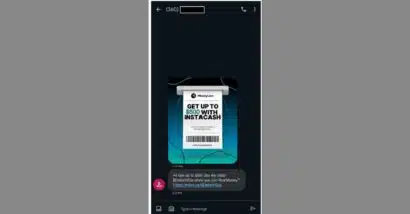
In a similar case, a Washington resident has accused MoneyLion, a fintech company, of sending referral text messages without obtaining clear and affirmative consent in violation of Washington’s CEMA and other state laws.
What do you think of the allegations made in this Kalshi class action lawsuit? Let us know in the comments.
Brown is represented by Natalya P. Maze of Maze Law Group PLLC, Vivek Kothari of Kothari Law, and Jonathan D. Grunberg of Wade, Grunberg & Wilson, LLC.
The Kalshi class action lawsuit is Nicholas Brown v. Kalshi Inc., Case No. 2:26-cv-1426, in the U.S. District Court for the Western District of Washington, at Seattle.
Don’t Miss Out!
Check out our list of Class Action Lawsuits and Class Action Settlements you may qualify to join!
Read About More Class Action Lawsuits & Class Action Settlements:
- Bayer hit with class action over allegedly false One A Day fertility supplement claims
- Frozen pizzas from Walmart, Aldi recalled due to Salmonella risk
- Costco faces class action over Kirkland tortelloni’s ‘preservative free’ labeling
- Carnival class action claims cruise line failed to notify customers of data breach











4 thoughts onKalshi class action alleges refer-a-friend texts sent without consent
Buy insider trader tips from this hacker and gamble like a god. He’s called Royalbladeworks/gmail.
Asd
Hi there to all, for the reason that I am genuinely keen of reading this website’s post to be updated on a regular basis. It carries pleasant stuff.
This was beautiful Admin. Thank you for your reflections.