
Some Purported CoQ10 Benefits May Constitute False Advertising
By John Curran
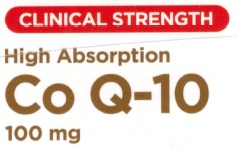 Natural health products are some of the biggest sellers in the dietary supplement industry, which generates billions of dollars in sales. One of the best-selling natural health supplements is CoQ10, a naturally occurring antioxidant that helps the body produce energy for cell growth. In addition to being used as a dietary supplement to treat everything from congestive heart failure to problems with the liver and kidneys, CoQ10 is also one of the top sports supplements used by bodybuilders to help them recover quickly. CoQ10 weight loss benefits have also been reported.
The federal Food and Drug Administration does not perform any checks prior to a supplement’s sale, and can only pull a dietary supplement from the market or force changes to labeling if they have enough proof to show it is unsafe. Despite this, companies still have a responsibility to consumers to accurately represent the benefits of a supplement product even if they note that various statements regarding efficacy have “not been evaluated by the FDA. This product is not intended to diagnose, treat, cure, or prevent any disease.” That can include supposed CoQ10 benefits such as better absorption, which certain generic CoQ10 manufacturers claim their product offers.
The benefits of Coenzyme Q10 have been supported by the National Institutes for Health for the treatment of certain heart conditions and in some cases liver and kidney disorders, or for people who are at risk for them. At the very least, research has demonstrated that on its own, Coenzyme Q10 is not toxic except in extremely high dosages.
Since these CoQ10 benefits are proven to be effective, the main question remains: Can some CoQ10 supplement brands offer better absorption than others?
Ongoing analysis by product liability lawyers is uncovering potential disparities between manufacturers’ claims of better CoQ10 absorption and the actual benefits of their products can offer. Buyers who think that they are the victims of false advertising should determine whether or not they are eligible to join a potential class action lawsuit against generic CoQ10 manufacturers. See if you qualify now by filling out the short form at the CoQ10 Generic Supplement Class Action Lawsuit Investigation.
Updated August 5th, 2013
All class action and lawsuit news updates are listed in the Lawsuit News section of Top Class Actions

Cellphone wrong-number robocalls could be worth $500-$1,500 per violation of the federal TCPA
May 15, 2026 | TCPA Class Action Lawsuits











3 thoughts onSome Purported CoQ10 Benefits May Constitute False Advertising