
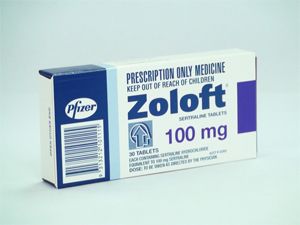
 A Zoloft lawsuit was filed in Pennsylvania that claimed that the popular antidepressant can cause birth defects in children whose mothers take Zoloft during pregnancy.
The parent plaintiffs, filing the Zoloft birth defect lawsuit on behalf of their child, accused drug manufacturer Pfizer (in addition to their subsidiary Greenstone, LLC and division J.B. Roerig &Co.) of failing to warn about the possible serious birth defect risks that are associated with Zoloft despite the fact that Pfizer was allegedly aware of the birth defect risks before the plaintiff used the drug.
Plaintiff J. Gustavan took Zoloft while pregnant with her son. The Zoloft birth defect lawsuit claimed that Zoloft has the ability to cross the placenta, bringing serious risks to her unborn child. The plaintiffs’ son, born November 2004, was born with several congenital birth defects, according to the birth defect lawsuit, such as bladder exstrophy, epispadias, dorsal chordee, macrocephaly, and other related conditions.
Allegedly, Pfizer was aware of the Zoloft birth defect risks due to various Zoloft studies. However, no adequate warnings about the birth defect risks followed these studies.
Pfizer is accused of knowingly spreading, “incomplete, inaccurate, and/or misleading warnings and information about the true risks to a fetus when Zoloft is ingested during pregnancy,” according to the Zoloft birth defect lawsuit.
Because of the alleged misleading information, physicians, the FDA, and the plaintiffs were unaware of the birth defects risks associated with Zoloft use.
The birth defect lawsuit claimed that the defendants, “breached their duty of reasonable care and safety” by failing to provide adequate, relevant information concerning Zoloft side effects.
The plaintiffs’ accusations against the defendants include failure to warn, design defect, negligence, fraud/misrepresentation, breach of express and implied warranty, loss of consortium (loss of intimacy with a spouse), and infliction of emotional distress.
Zoloft became FDA approved in 1992 to treat major depression in adults and has been approved for many psychological disorders since then, including Panic Disorder, Acute Post Traumatic Stress Disorder, and Social Anxiety Disorder. It was the most widely prescribed antidepressant in 2005 with about 27 million prescriptions written and $3.3 billion in sales.
Zoloft is one of many drugs under investigation for alleged birth defect side effects. Various studies have suggested that children whose mothers take antidepressants during pregnancy have a significantly higher risk of being born with a birth defect.
Many birth defect lawsuits have been filed by users of Zoloft, Prozac, Lexapro and others, which accuse manufacturers of failing to warn about birth defect risks and seek compensation to pay for the potentially expensive surgeries a child born with antidepressant birth defects might require.
The Gustavon family has experienced great pain due to the failure of Pfizer to give adequate warnings concerning Zoloft birth defects. They are one of many who have taken legal steps against manufacturers like Pfizer for allegedly causing birth defects in their children.
The Zoloft Birth Defect Lawsuit is Jessica Gustavon, et al, vs. Pfizer, Inc, et al Case No. 2:14-cv-00903 filed in the U.S. District Court for the Eastern District of Pennsylvania.
Do YOU have a legal claim? Fill out the form on this page now for a free, immediate, and confidential case evaluation. The birth defect attorneys who work with Top Class Actions will contact you if you qualify to let you know if an individual lawsuit or class action lawsuit is best for you. [In general, birth defect lawsuits are filed individually by each plaintiff and are not class actions.] Hurry — statutes of limitations may apply.
ATTORNEY ADVERTISING
Top Class Actions is a Proud Member of the American Bar Association
LEGAL INFORMATION IS NOT LEGAL ADVICE
Top Class Actions Legal Statement
©2008 – 2026 Top Class Actions® LLC
Various Trademarks held by their respective owners
This website is not intended for viewing or usage by European Union citizens.
Get Help – It’s Free
Join a Free Birth Defect Lawsuit Investigation
If you or a loved one took Zoloft, Prozac, Lexapro, Effexor, Celexa, Cymbalta or Depakote during pregnancy and gave birth to a child with a congenital defect, you may have a legal claim against the drug’s manufacturer. Find out if you qualify to pursue compensation for your child’s medical expenses, pain and suffering, and other damages by filling out the form below now.
An attorney will contact you if you qualify to discuss the details of your potential case.
Oops! We could not locate your form.











One thought on Pfizer Hit With Zoloft Birth Defect Lawsuit