 Mycobacterium Chimaera, often called M. chimaera, is a microbe that is similar to the infectious microbe that causes tuberculosis.
Often found in water and soil, the M. chimaera microbe usually doesn’t produce serious illness in humans save for an occasional lung infection. At least, that was the case until five years ago, when M. chimaera was implicated in heart bypass surgery infections.
Many of these heart bypass surgery infections didn’t occur immediately after the invasive operation in patients, but two to three years after the fact. This delayed outbreak made it difficult to pinpoint the origin of the infection, but of 49 people experiencing this mysterious and serious infection, at least 24 of them passed away.
The deceased and surviving victims of the infection had all had heart bypass surgery or similar open chest surgeries within the last few years of their lives. It was a link that was too big to overlook.
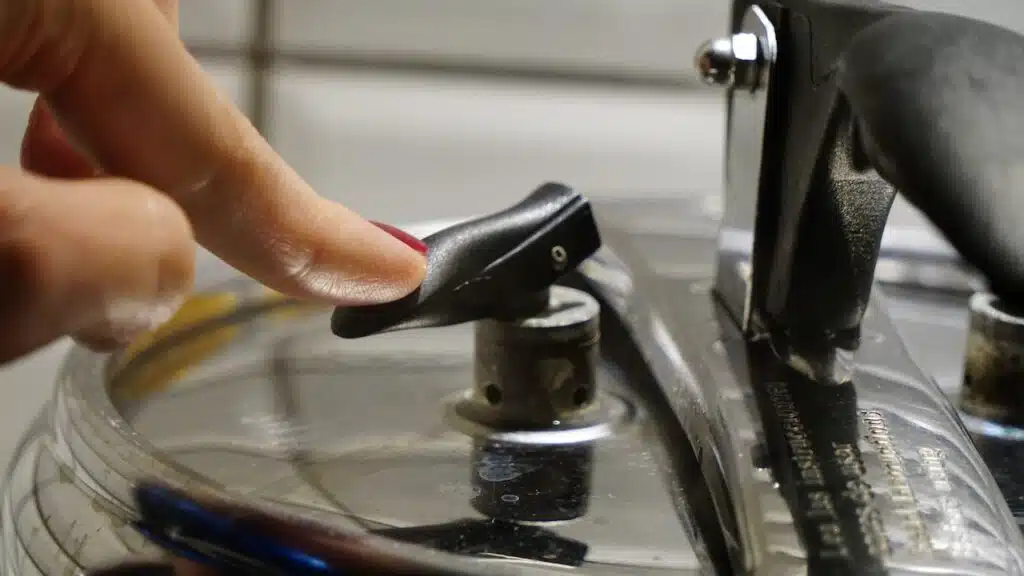
Eventually, the heart bypass surgery infection by M. chimaera was found to be introduced to the involved patients by a device used in operating rooms known as a heater-cooler device (HCU).
HCUs are body temperature regulating devices that allow for a patient’s blood to be circulated in close proximity to a heat exchanger filled with water. When not being used to maintain the temperature of a patient’s blood, it is often connected to heating and cooling blankets.
In U.S., Australian, and European hospitals, roughly 60% use HCUs made by LivaNova, a company which was formerly known as Sorin. As M. chimaera was also found in drinking fountains, dispensers, and tap water within the hospitals associated with the 49 victims of this heart bypass surgery infection, it was difficult to prove manufacturer fault for some time.
As scientific research continued, however, a little under half of the patients with the heart bypass surgery infection had bacteria that were very closely related to one another but dissimilar to the strain found in the hospitals themselves. But the samples taken from these patients were similar to samples from the manufacturing facility where the HCUs were made, in Munich, Germany.
A second manufacturing facility where heater cooler devices were made by a competing company in Rastatt, Germany, was also found to be contaminated shortly afterwards. Once found, in 2014, LivaNova revamped its cleaning and disinfecting procedures. LivaNova has also allegedly updated all of the device’s seals and vacuum systems.
The company claims the mechanism of infection was from the bacterium becoming aerolized through the device’s venting system into the sterile field of the operating room. They are insistent that these improvements have made their product much safer and that current litigation doesn’t reflect the updated safety of the new units.
Hospitals are under greater pressure to eliminate cardiac heater coolers that still have open water tanks because of the litigation. Hopefully, patient and doctor pressure will encourage hospitals to invest in the newer systems to ensure the safety of their open heart surgery patients now and into the future.
Do YOU have a legal claim? Fill out the form on this page now for a free, immediate, and confidential case evaluation. The cardiac heater-cooler attorneys who work with Top Class Actions will contact you if you qualify to let you know if an individual lawsuit or class action lawsuit is best for you. [In general, cardiac heater-cooler lawsuits are filed individually by each plaintiff and are not class actions.] Hurry — statutes of limitations may apply.
ATTORNEY ADVERTISING
Top Class Actions is a Proud Member of the American Bar Association
LEGAL INFORMATION IS NOT LEGAL ADVICE
Top Class Actions Legal Statement
©2008 – 2026 Top Class Actions® LLC
Various Trademarks held by their respective owners
This website is not intended for viewing or usage by European Union citizens.
Get Help – It’s Free
Join a Free Cardiac Heater-Cooler System Class Action Lawsuit Investigation
An attorney will contact you if you qualify to discuss the details of your potential case at no charge to you.
Please Note: If you want to participate in this investigation, it is imperative that you reply to the law firm if they call or email you. Failing to do so may result in you not getting signed up as a client, if you qualify, or getting you dropped as a client.
Email any problems with this form to [email protected].
Oops! We could not locate your form.