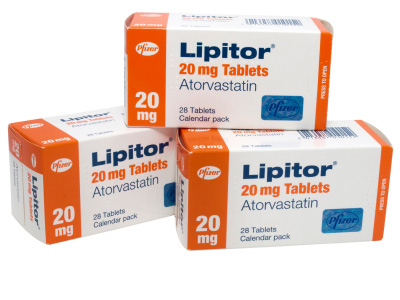
 The drug Lipitor is designed to lower LDL or “bad cholesterol” levels in the blood. Lowering the amount of LDL cholesterol in the blood can reduce the risk of serious health problems like stroke and heart attack. However, several studies have implicated Lipitor and related statin drugs in the development of type-2 diabetes, a condition in which the body’s ability to control blood sugar levels is impaired.
Lipitor belongs to a class of drugs known as statins. A number of studies have found a link between these drugs and an increased risk of developing diabetes. One of the most recent was a 2012 study that found that postmenopausal women who used statins like Lipitor were 50 percent more likely to develop Lipitor type-2 diabetes than their peers.
The study controlled for, or took into account, other risk factors like lifestyle, obesity, diet and other risk factors for diabetes. Even when these risks were considered, the elevated risk of diabetes for statin users remained. Previous studies, including meta-analyses (the comparison of multiple studies), have found similar results across a wider range of the population. However, this study was noteworthy in that it deployed statistical analysis on more than 150,000 women.
Patients with Lipitor diabetes face major life changes upon their diagnosis. The disease requires monitoring of blood sugar levels to determine if their treatment is working. It also required medication and lifestyle changes to control this chronic illness. There is no known cure for type-2 diabetes, also called insulin-resistant or adult onset diabetes. Lawsuits have been filed against the manufacturers of Lipitor and other statins. These lawsuits allege that the manufacturers were aware, or reasonably should have been aware, of the risk of serious complications like diabetes. The Lipitor lawsuits assert that peer-reviewed studies, as well as legally-mandated post-market surveillance, have given the manufacturers enough data to reasonably assert that the drug can cause diabetes.
Lipitor lawsuits further allege that the manufacturers have deliberately downplayed the risks associated with Lipitor and other statins. For example, the prescribing information for Lipitor references increases in blood sugar, but does so in very technical terms, and never actually uses the term “diabetes.” These Lipitor lawsuits allege that this constitutes neglect, fraud, and breach of warranty.
Free Help for Women who Took Lipitor & Developed Diabetes
If you’re a woman who took Lipitor, or you know a woman who took Lipitor, and later developed type-2 diabetes, you have legal options. Please visit the Lipitor Diabetes Class Action Lawsuit Investigation. There, you can submit your claim for a free legal review and if it qualifies for legal action, a seasoned Lipitor lawyer will contact you for a free, no-obligation consultation. You will be guided through the litigation process at no out-of-pocket expenses or hidden fees. The Lipitor attorneys working this investigation do not get paid until you do.
ATTORNEY ADVERTISING
Top Class Actions is a Proud Member of the American Bar Association
LEGAL INFORMATION IS NOT LEGAL ADVICE
Top Class Actions Legal Statement
©2008 – 2026 Top Class Actions® LLC
Various Trademarks held by their respective owners
This website is not intended for viewing or usage by European Union citizens.

Legal help for mental harm caused by social media addiction in young users
May 6, 2026 | social media