 Stevens Johnson Syndrome (SJS) is one of the deadliest allergic skin reactions patients can develop, but it is also very rare.
Due to the rarity of the condition, many patients and their loved ones may want to know: Is Stevens Johnson Syndrome contagious?
The short answer is no, Stevens Johnson Syndrome is not contagious as this condition is specifically caused by an adverse reaction to a medication and cannot be transmitted virally. Patients who develop Stevens Johnson Syndrome often don’t even realize they are having a reaction, as the onset of SJS mimics flu-like symptoms.
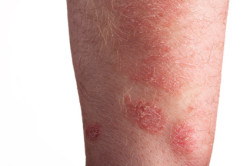
However, as the reaction progresses, a blistery rash appears, spreading rapidly and causing a person’s skin to fall off in sheets. Stevens Johnson rash can take up to 30 percent of skin surface area, but causes the infected skin to detach and slough off. This exposes the inner tissue and muscles to possible infection, further compounding the condition.
Patients who develop Stevens Johnson Syndrome often incur permanent skin scarring, eyesight damage, organ damage, and possibly die. Due to the nature of the Stevens Johnson rash, patients are often treated in hospital burn units and often need skin grafts.
Early diagnosis is vital for patients, but physicians often do not recognize the initial flu-like symptoms as the beginning stage of the Stevens Johnson rash due to its rarity.
Concerns Over Stevens Johnson Syndrome
So, is Stevens Johnson Syndrome contagious? No, but it is a serious condition that some argue should be included on drug labels of medications that are known to cause SJS, including some of America’s most popular pharmaceutical choices. Among the drugs indicated to cause Stevens Johnson Syndrome includes Dilantin medication.
Dilantin is a popular antiepileptic drug, which is prescribed to treat a variety of seizure disorders. While Dilantin is far from the only medication to be linked to SJS, it is one of the most commonly mentioned.
Furthermore, Dilantin medication has been mentioned frequently in SJS lawsuits, alleging that the pharmaceutical manufacturer failed to warn patients about the potential deadly side effect. Dilantin’s manufacturer, Pfizer, has been named in a number of these product liability lawsuits filed from SJS patients.
Dilantin became so commonly associated with SJS that the FDA required Pfizer to update Dilantin’s warning label to include Stevens Johnson Syndrome in November 2008. Even with this warning, the number of SJS reports linked to brand name or generic Dilantin medication remains high.
Patients who develop SJS from Dilantin or other medications, may be able to file legal action against the manufacturing company to seek compensation for their injuries.
In one example from the January 2011 issue of The St. Clair Record, a group of Dilantin patients who suffered SJS had banned together to file legal action against Pfizer. The Dilantin SJS lawsuit stated that Dilantin medication “is the most dangerous and lethal drugs that cause deaths from SJS or TEN”.
In an earlier case of Dilantin SJS, a young girl had been prescribed the antiepileptic drug in May 2006 but had developed and later died from Toxic Epidermal Necrolysis (TEN), a more severe progression of SJS. The grieving parents and Pfizer reached a settlement agreement in October 2010, with the drug company agreeing to pay $3.78 million to the family.
So is Stevens Johnson Syndrome contagious? No, but the condition is potentially deadly and needs to be taken as seriously as possible.
Do YOU have a legal claim? Fill out the form on this page now for a free, immediate, and confidential case evaluation. The SJS attorneys who work with Top Class Actions will contact you if you qualify to let you know if an individual lawsuit or Dilantin class action lawsuit is best for you. [In general, Dilantin lawsuits are filed individually by each plaintiff and are not class actions.] Hurry — statutes of limitations may apply.
ATTORNEY ADVERTISING
Top Class Actions is a Proud Member of the American Bar Association
LEGAL INFORMATION IS NOT LEGAL ADVICE
Top Class Actions Legal Statement
©2008 – 2026 Top Class Actions® LLC
Various Trademarks held by their respective owners
This website is not intended for viewing or usage by European Union citizens.
Get Help – It’s Free
Help for Victims of Stevens Johnson Syndrome
If you or a loved one were diagnosed with Stevens Johnson Syndrome (SJS) or toxic epidermal necrolysis (TEN) after taking a prescribed or over-the-counter medication, you may be eligible to take legal action against the drug’s manufacturer. Filing an SJS lawsuit or class action lawsuit may help you obtain compensation for medical bills, pain and suffering, and other damages. Obtain a free and confidential review of your case by filling out the form below.
An attorney will contact you if you qualify to discuss the details of your potential case at no charge to you.
Oops! We could not locate your form.